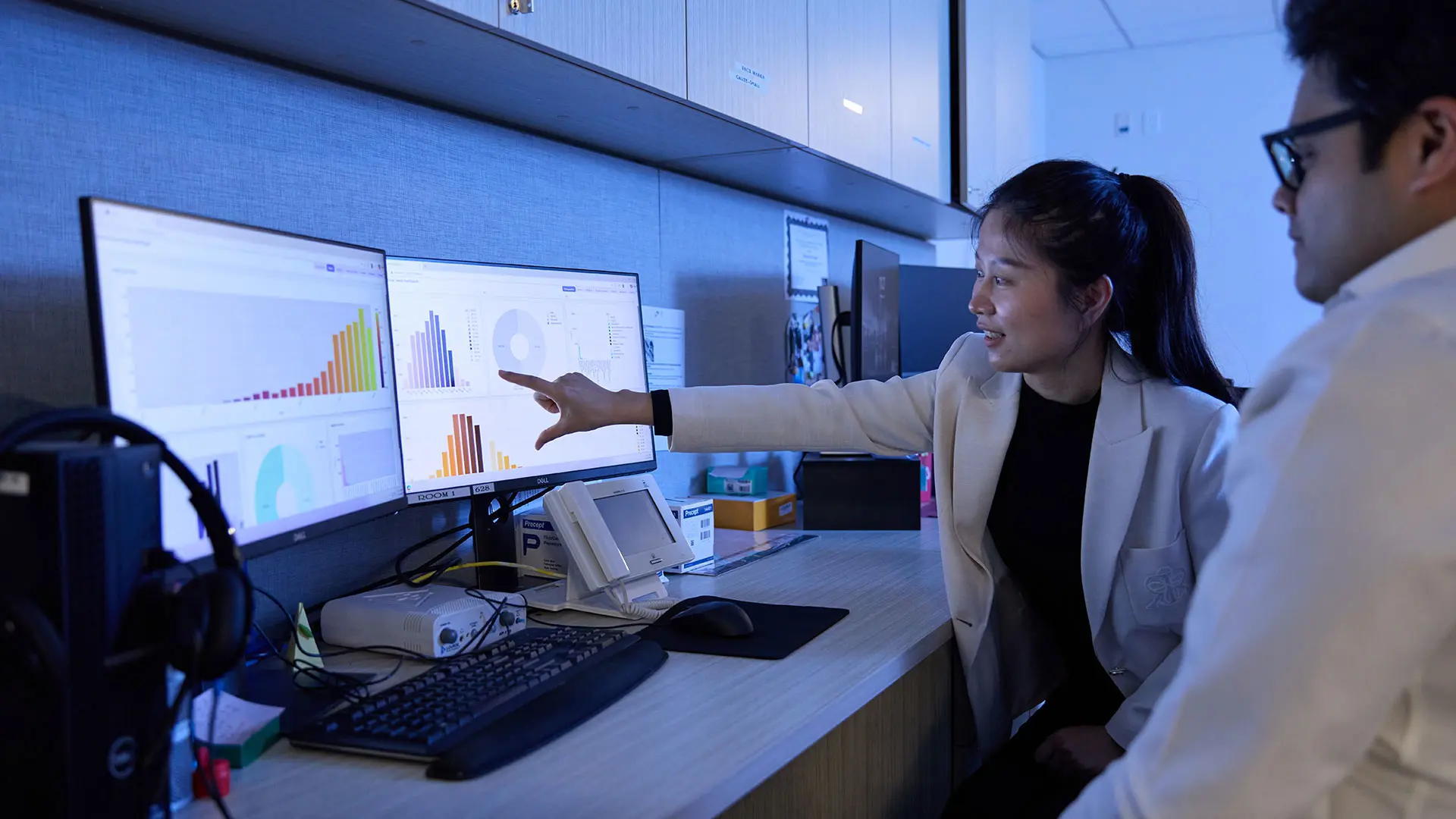
Engineers use digital twins—virtual models of real-world physical systems—in various industries to simulate and optimize performance. For example, a jet engine’s digital twin can monitor the engine’s health in real time and recommend maintenance before it breaks down.
Now, researchers at Mount Sinai Health System are building digital twins for sleep apnea patients. The model developed by the Sleep and Circadian Analysis Group could support clinical decision-making, personalize treatment recommendations, and predict patient outcomes for obstructive sleep apnea (OSA) therapies. The research group’s artificial intelligence (AI)-powered model is adoptable across institutions.
Currently in a silent validation phase, the OSA-focused digital twin is running in the background without influencing clinical decision-making, says Ankit Parekh, PhD, Associate Professor of Medicine (Pulmonary, Critical Care and Sleep Medicine) at the Icahn School of Medicine at Mount Sinai and Director of the Sleep and Circadian Analysis Group. Researchers are retrospectively comparing the model’s predictions with clinical decisions and patient outcomes to assess the model’s accuracy and inform ongoing improvements.
“Data from the silent validation should increase physician confidence to eventually begin using the digital twin to support clinical decision-making,” says Dr. Parekh.
The research team intends to partner with other institutions to incorporate the digital twin model across infrastructures, reducing the need for duplicative development efforts.
Digital Twins as Clinical Decision Support Tools
In a physical system, digital twins predict and optimize outcomes in a controlled, standardized environment. In medicine, the models learn from variable data derived from complex human systems with external factors that cannot always be measured, Dr. Parekh says. Because of the variability, the digital twin is positioned as a supportive tool rather than a decision-execution system. The model provides individualized recommendations and predictions that can help guide care decisions.
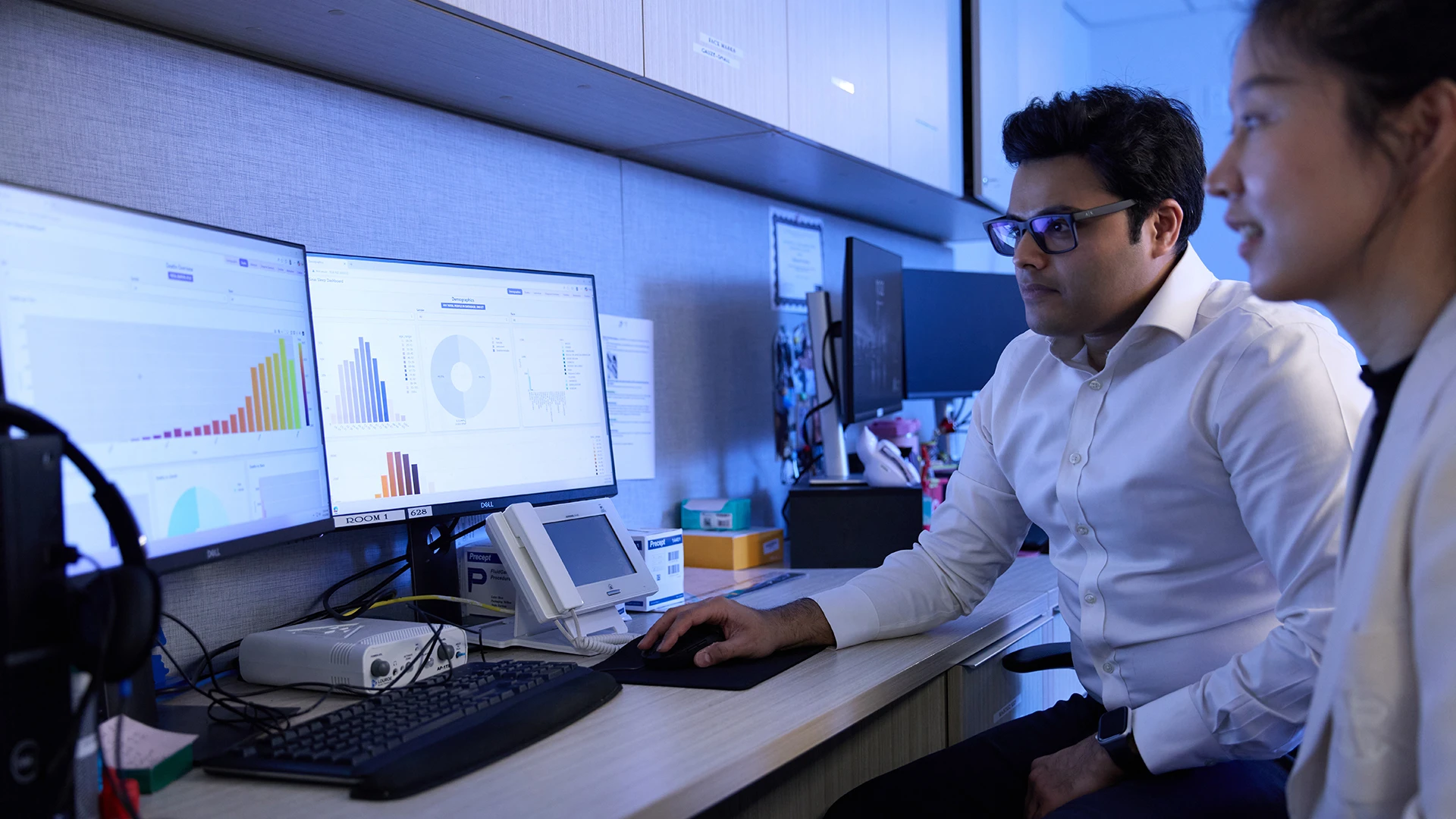
The digital twin models Dr. Parekh and his team (including postdoctoral fellow Li Zhou, MD, PhD, right) have developed for apnea patients make full use of the available polysomnography data, unlike many previous treatment methods.
Leveraging Untapped Data to Enhance OSA Treatment
Polysomnography records 15 channels of data. However, providers typically use only three or four to diagnose and treat sleep apnea. The digital twin leverages all data channels collected during polysomnography, along with the patient’s health history, symptoms, lab results, and physician notes, to help guide treatment recommendations and predict outcomes.
In addition to using the current patient’s data, the model learns from historical data collected from 400,000 past patients and large retrospective epidemiological studies. The team is also integrating patient data from smartwatches and other wearables.
Dr. Parekh says these data streams enable the digital twin to identify information gaps and tests needed to better predict risk or probable outcomes, such as a sleep study. “That’s something a digital twin can provide to physicians that they didn’t have before,” he says.
Typically, treatment options for OSA follow a trial-and-error approach. The digital twin groups patients into clusters based on their predicted response to certain treatments, such as an oral appliance, weight loss medication, or a continuous positive airway pressure (CPAP) machine. By informing physicians about a patient’s likelihood of responding to a certain treatment, the digital twin optimizes care, Dr. Parekh says.
From Research to Implementation Within Mount Sinai and Beyond
Dr. Parekh notes that the Sleep and Circadian Analysis Group integrated key stakeholders throughout the research and development of the digital twin, including physicians and patient advocates.
“Our goal was to build this model with stakeholder involvement. That’s where Mount Sinai is at the forefront. As an institution, we have buy-in and support to develop these novel methods and leverage them in the clinical setting,” he says.
The team designed the digital twin to be implementable at other institutions with similar infrastructures, setting the stage for wider collaboration and adoption.
“We are just at the tip of the iceberg. The advances in AI large language models continue to develop, but we are proceeding with a pragmatic approach to implement the digital twin into the clinic for the benefit of the patient,” says Dr. Parekh.
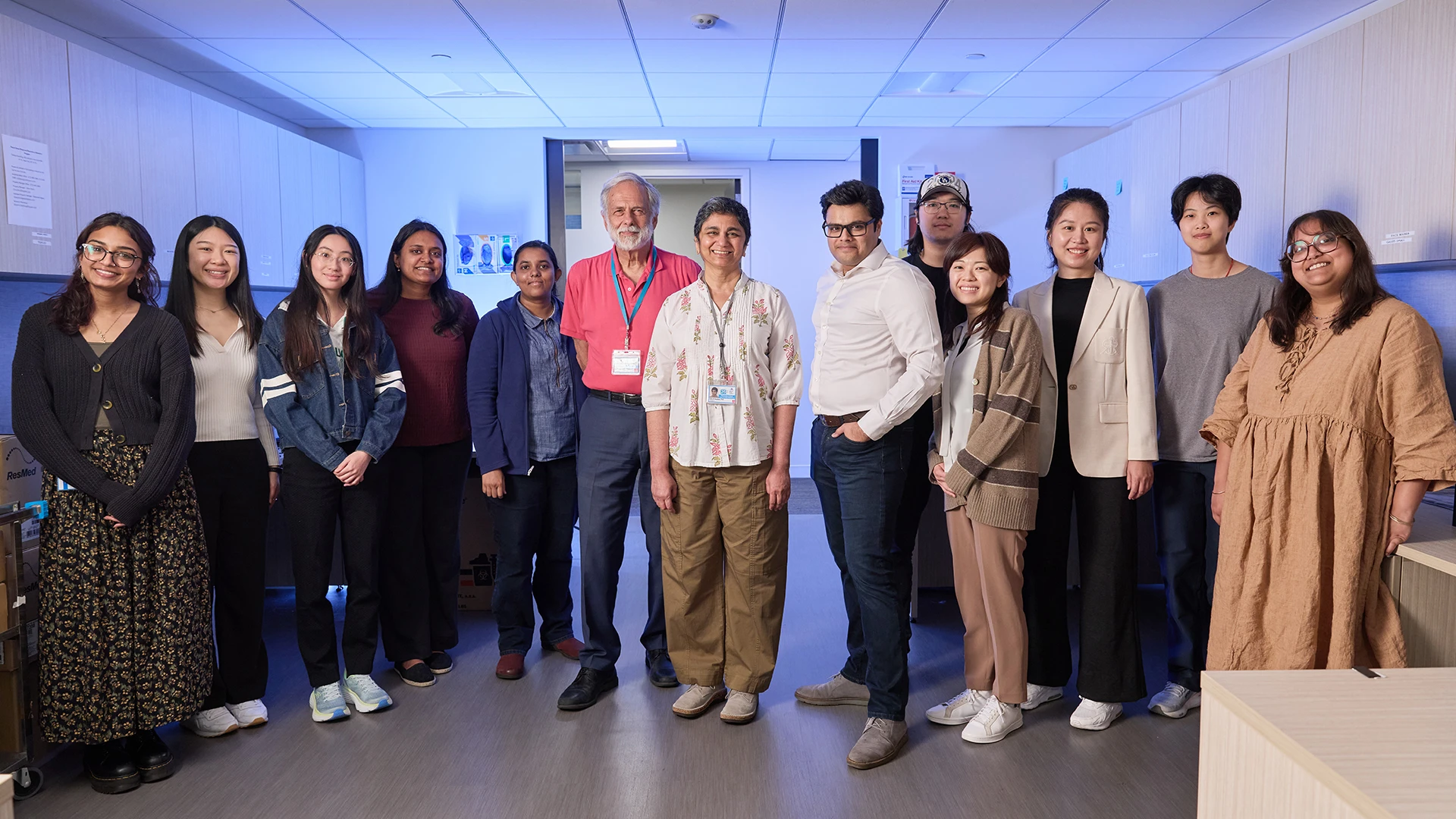
Dr. Parekh, center in solid white shirt, and members of the Sleep and Circadian Analysis Group.