DataPhilanthropy, a charitable giving organization founded by Jeff T. Green, focuses on initiatives where impact can be measured and scaled using data. Mr. Green is also the co-founder and Chief Executive Officer of The Trade Desk, a leading digital advertising software company.
The effort will be led by Fanny Elahi, MD, PhD, a renowned physician-scientist and one of the world’s foremost experts on neurovascular degenerative disorders and CADASIL. (See related story on Dr. Elahi’s research here.) Dr. Elahi is an Associate Professor of Neurology, and Neuroscience, and the newly named Director of The Glickenhaus Center for Successful Aging at the Icahn School of Medicine at Mount Sinai.
“With no existing treatments for CADASIL, this generous grant gives us the freedom to move quickly, ask bold scientific questions, and pursue multiple promising paths toward treatments,” says Dr. Elahi.
CADASIL (Cerebral Autosomal Dominant Arteriopathy with Subcortical Infarcts and Leukoencephalopathy) is often overlooked and underdiagnosed. This disease offers a powerful window into the biology of vascular aging and dementia. Unlike Alzheimer’s disease and other age-related neurodegenerative conditions, CADASIL is caused by a single gene mutation in NOTCH3, making it easier to study across human cohorts and model systems in order to potentiate drug discovery. Further, its slow progression over several decades provides a larger window for therapeutic intervention.
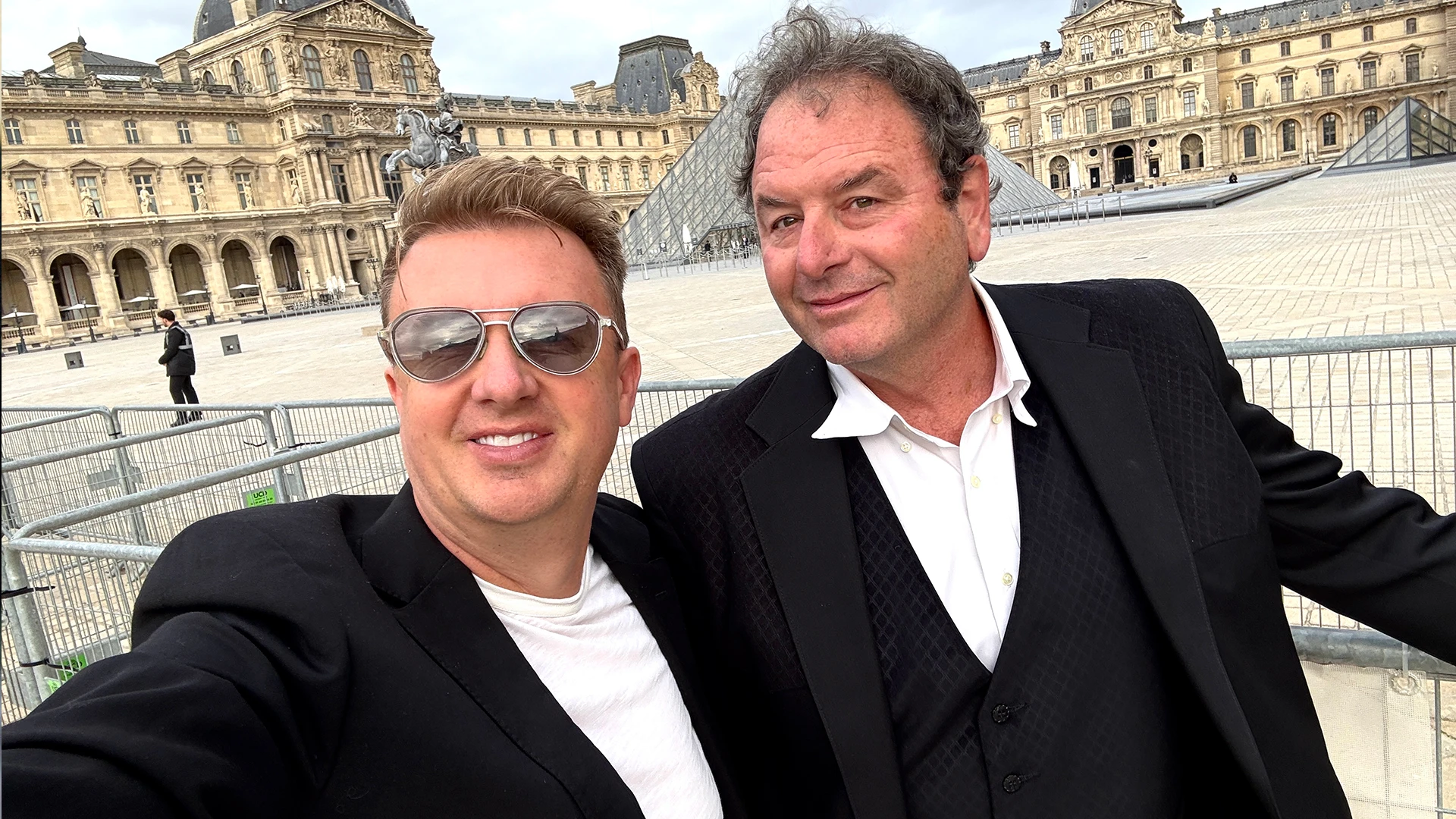
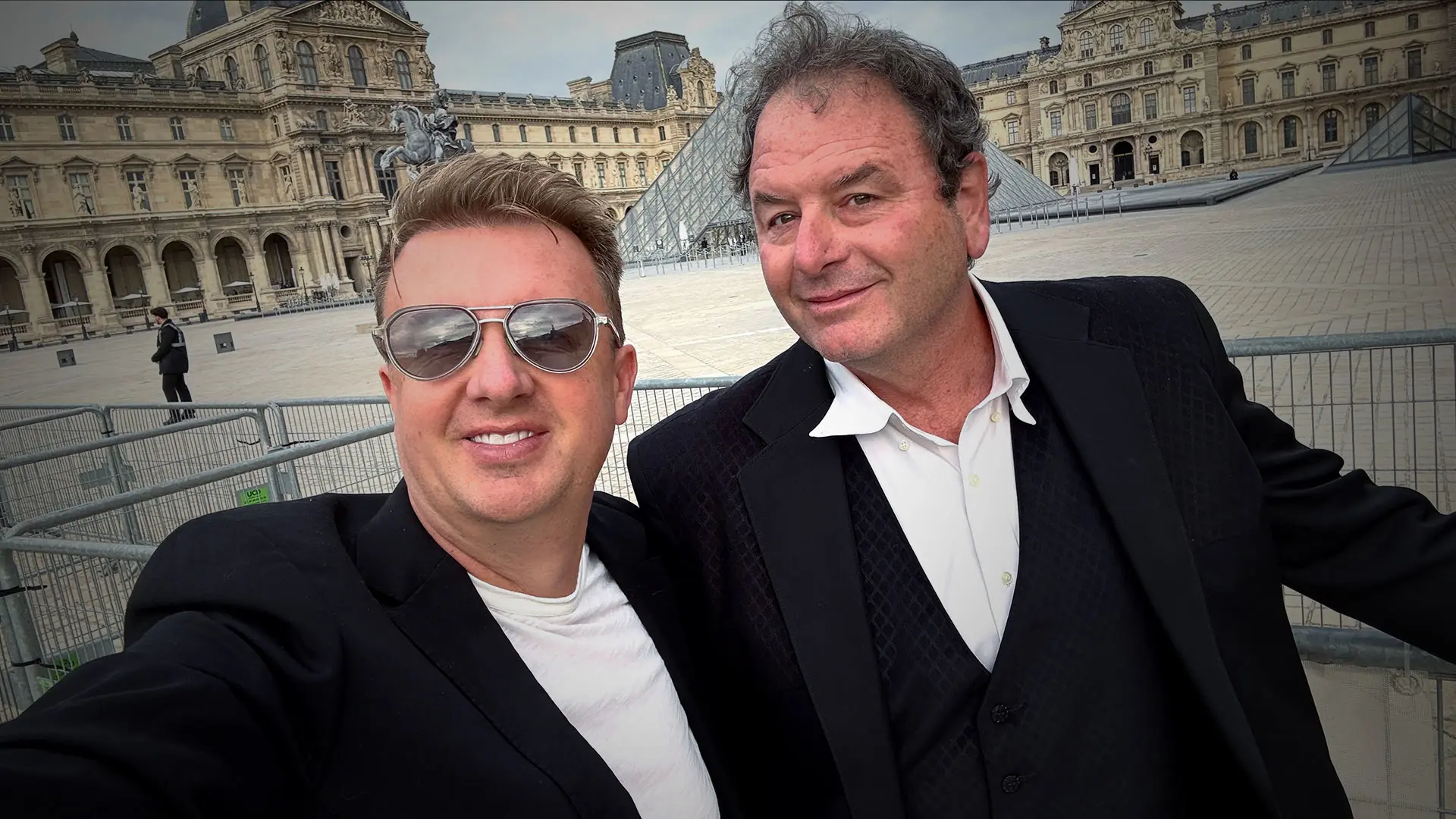
Jeff T. Green, left, with Steve Katelman
“This grant is deeply personal,” says Mr. Green. “In 2018, my dear friend and industry colleague, Steve Katelman, was diagnosed with CADASIL, a disease that I’ve since learned a lot about and deserves far more attention and investment,” he says. “I’m a big believer that using data in the right way can improve people’s lives. And it was motivating to see Dr. Elahi’s fearless commitment to progress the research of this disease. Her patient-centered approach, scientific rigor, and bold vision for finding treatments for CADASIL and translating discoveries into broader breakthroughs inspire optimism. I’m eager to play a part in this work that has the potential to yield profound impact on patients.” Read more about Mr. Green’s and Mr. Katelman’s friendship and commitment to CADASIL research here.
The Center’s goal is to become a leading hub for research and clinical care dedicated to neurovascular degenerative disorders, with a strong emphasis on advancing innovative clinical trials for CADASIL, brain vascular aging, and dementia. By looking at neurodegeneration through a vascular lens, the Center’s researchers aim to identify interventions to prevent diseases such as CADASIL. The Center will leverage Mount Sinai’s wealth of expertise in vascular disorders and drug development and have affiliated faculty across departments, existing centers, and institutes.