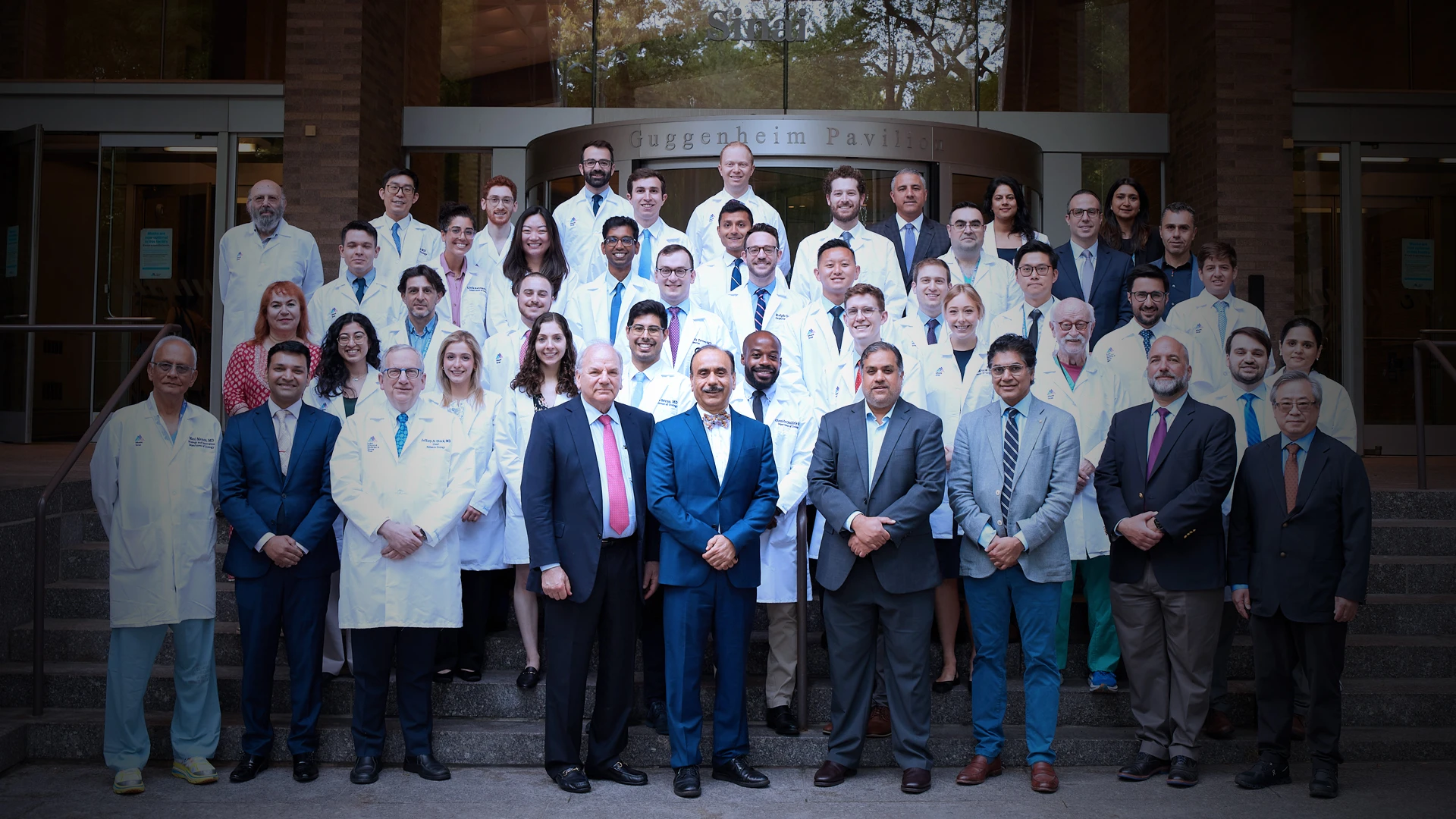
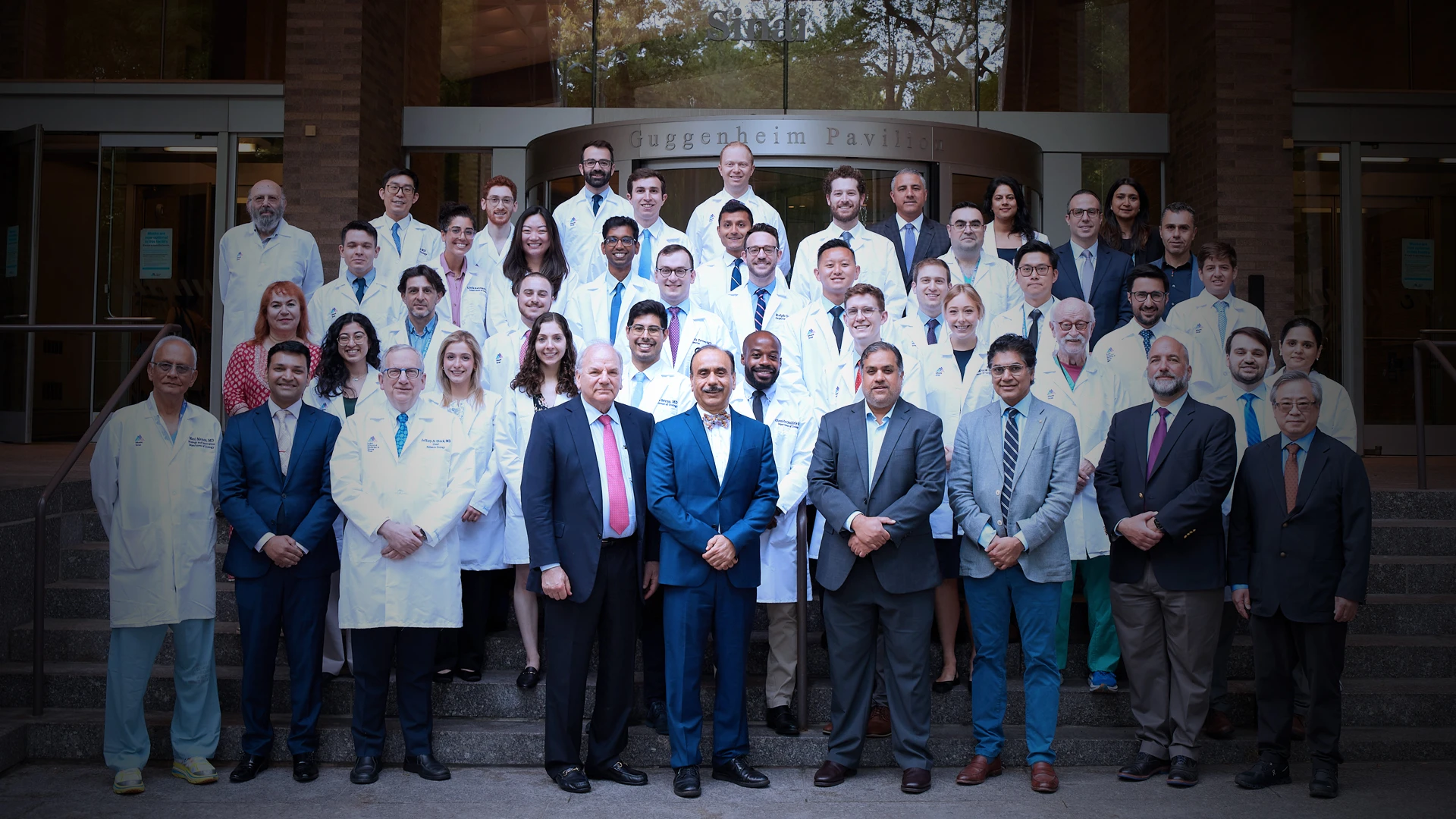
The Urology Residency Program at The Mount Sinai Hospital offers comprehensive training in the medical and surgical evaluation and treatment of genitourinary diseases.
The Urology Residency Program at Mount Sinai will welcome six first-year residents in the 2026-2027 academic year, an increase from the previous five. This growth reflects the depth and breadth of the training program. The program combines the clinical resources of one of New York City’s largest hospital systems with experienced and dedicated faculty committed to mentoring the next generation of urology leaders.
Most urology residency programs admit three or four new trainees each year, and only one other health care system in the United States offers a program as large as the expanded program at Mount Sinai, says Progam Director Jeffrey Stock, MD, Chief of Pediatric Urology at the Mount Sinai Kravis Children's Hospital and Professor of Pediatric Urology at the Icahn School of Medicine at Mount Sinai.
“The Accreditation Council for Graduate Medical Education, which accredits our program, approved the addition of another resident based on the clinical experiences we can offer to trainees,” Dr. Stock says. “This expansion reflects our robust curriculum, broad clinical portfolio, and the expertise of our faculty.”
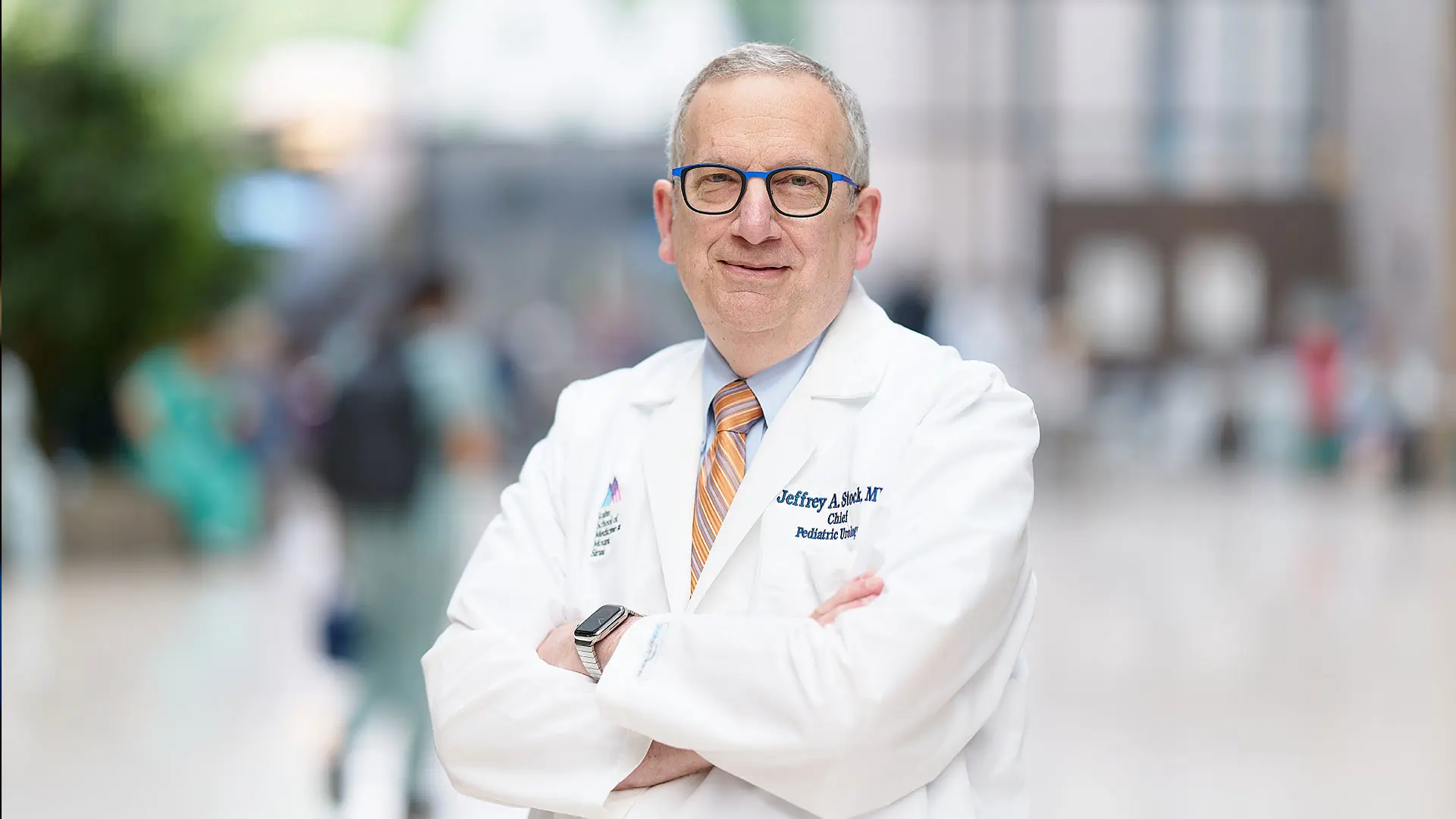
“Increasing the size of our program allows us to continue to modernize and improve the training opportunities, which benefits all of our residents,” says Jeffrey Stock, MD, Chief of Pediatric Urology at the Mount Sinai Kravis Children's Hospital and Professor of Pediatric Urology at the Icahn School of Medicine at Mount Sinai.
Comprehensive Urology Training
The Urology Residency Program at The Mount Sinai Hospital offers comprehensive training in the medical and surgical evaluation and treatment of genitourinary diseases. Residents train in five hospitals across New York City, each with its own unique culture and patient population. The Department is also large and diverse, with a broad range of subspecialists. The Mount Sinai Hospital is ranked No. 6 in Urology in the nation in 2025-2026 by U.S. News & World Report®.
“One of our many strengths is that we have several busy training sites, offering a wide diversity of cases,” Dr. Stock says.
The program’s expansion enables the faculty to continue developing innovative rotations in inpatient and outpatient urology, including pediatric urology, female urology, oncology, and infertility. Faculty aim to keep the program nimble, adapting the curriculum to reflect advances, such as artificial intelligence in medicine.
“Increasing the size of our program allows us to continue to modernize and improve the training opportunities, which benefits all of our residents,” Dr. Stock says.
Surgical opportunities are a cornerstone of the program. Mount Sinai performs a high volume of robotic surgeries, enabling residents to receive advanced training in these techniques. One offering is a chairman’s rotation, allowing a senior resident to spend time in the operating room alongside Ash Tewari, MBBS, MCh, FRCS (Hon.), DSc (Hon.), Chair of the Milton and Carroll Petrie Department of Urology at the Icahn School of Medicine and a pioneer in robotic prostate cancer surgery.
Residents also engage in simulation training for robotic surgery and for minimally invasive endourology treatment for kidney stones.
“Residency training at Mount Sinai Urology has prepared me very well with the technical and clinical skills to be an attending urologist. The opportunities for mentorship and breadth of sub-specialty experience are unparalleled as well,” says Patrick Ho, MD, who is graduating in 2026 . “My mentors in reconstructive urology and female pelvic medicine have supported me throughout my residency. They made it possible for me to present research regularly at national meetings, develop relevant clinical skills, and match at my top choice of fellowship.”
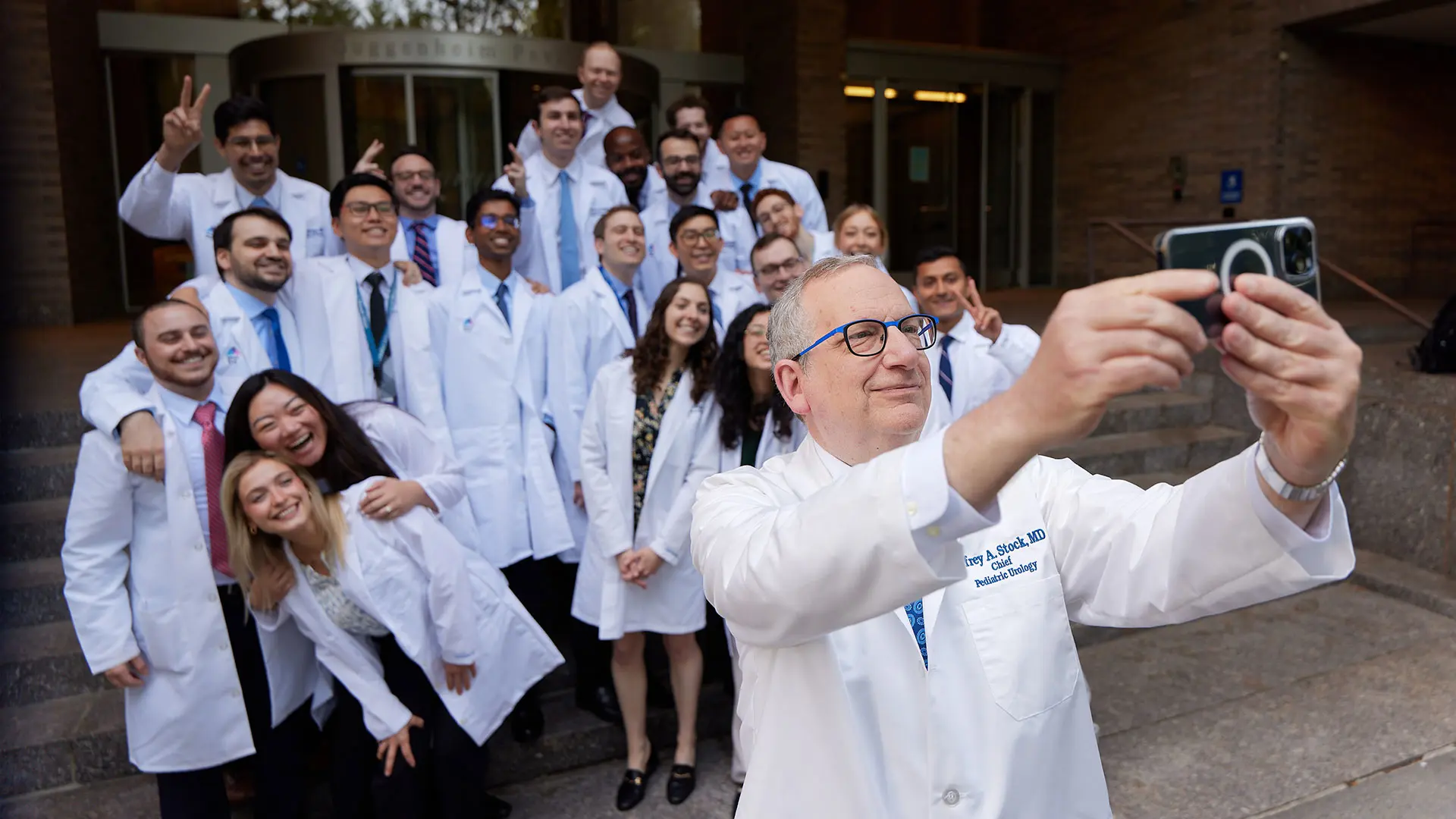
“There is an exceptionally positive culture among the residents and between residents and faculty," says Linda Rahmani, MD, who will graduate from the residency program in 2027. "Both faculty and residents are deeply committed to providing excellent patient care while continually pushing ourselves to improve technically and academically."
From Research to Patient-Centered Care: A Full-Spectrum Training Program
While surgical training is essential, the program extends far beyond the operating room. For example, the curriculum offers an office practice rotation and unique experiences, such as working in the prostate cancer screening mobile unit, which travels around New York City to provide screening for residents in underserved neighborhoods.
“Our residents also spend time providing patient education, which helps patients understand what to expect from their surgery and recovery and gives residents a deeper understanding of patient-centered care,” Dr. Stock says.
Residents also benefit from the urology faculty’s strong research portfolio, spanning from laboratory science to clinically oriented research aimed at improving care delivery. And the system benefits from its trainees, too.
Thanks to a dedicated culture of improvement, residents are invited to provide input that helps enhance both the curriculum and patient care. “We encourage feedback from residents and others in the department, so we can keep innovating and improving to stay on the leading edge of urology,” Dr. Stock says.
“Our residency program teaches us early on the skills needed to succeed both in the operating and at the bedside,” says Ari Spellman, MD, who will graduate in 2028. “With many faculty here to support our growth, we learn multiple surgical approaches to address similar problems. We learn to be competent, independent, and confident doctors with an emphasis on always doing right by our patients. It’s a truly valuable institution to train at.”
Recent graduates have accepted faculty positions and prestigious fellowships at leading health centers across the United States—including fellowships close to home. The Icahn School of Medicine offers accredited fellowships in areas such as endourology, surgical urologic oncology, and genitourinary reconstruction.
“Residents also benefit from their interactions with fellows who are receiving this extra training,” Dr. Stock says. “We have a fantastic group of trainees committed to teaching one another and helping each other become the best physicians they can be.”
“The case volume and breadth of operative opportunities are truly unparalleled. Just as importantly, the attendings are incredibly approachable and always receptive to questions, which creates a supportive learning environment,” says Linda Rahmani, MD, who will graduate in 2027. “There is also an exceptionally positive culture among the residents and between residents and faculty. Both faculty and residents are deeply committed to providing excellent patient care while continually pushing ourselves to improve technically and academically. This shared drive raises the bar for what’s possible and challenges all of us to grow. For these reasons, I genuinely look forward to going into the hospital every day.”