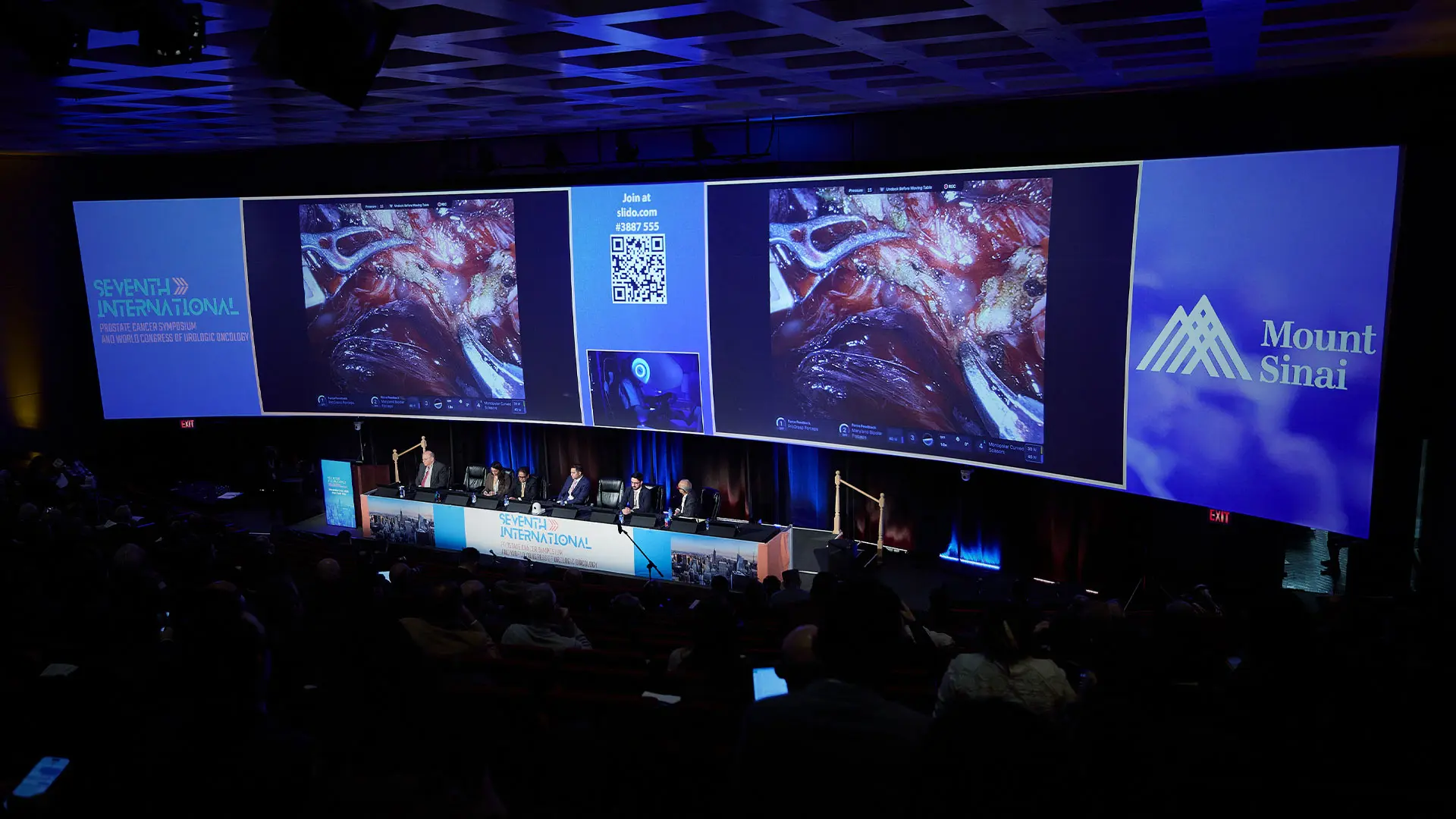
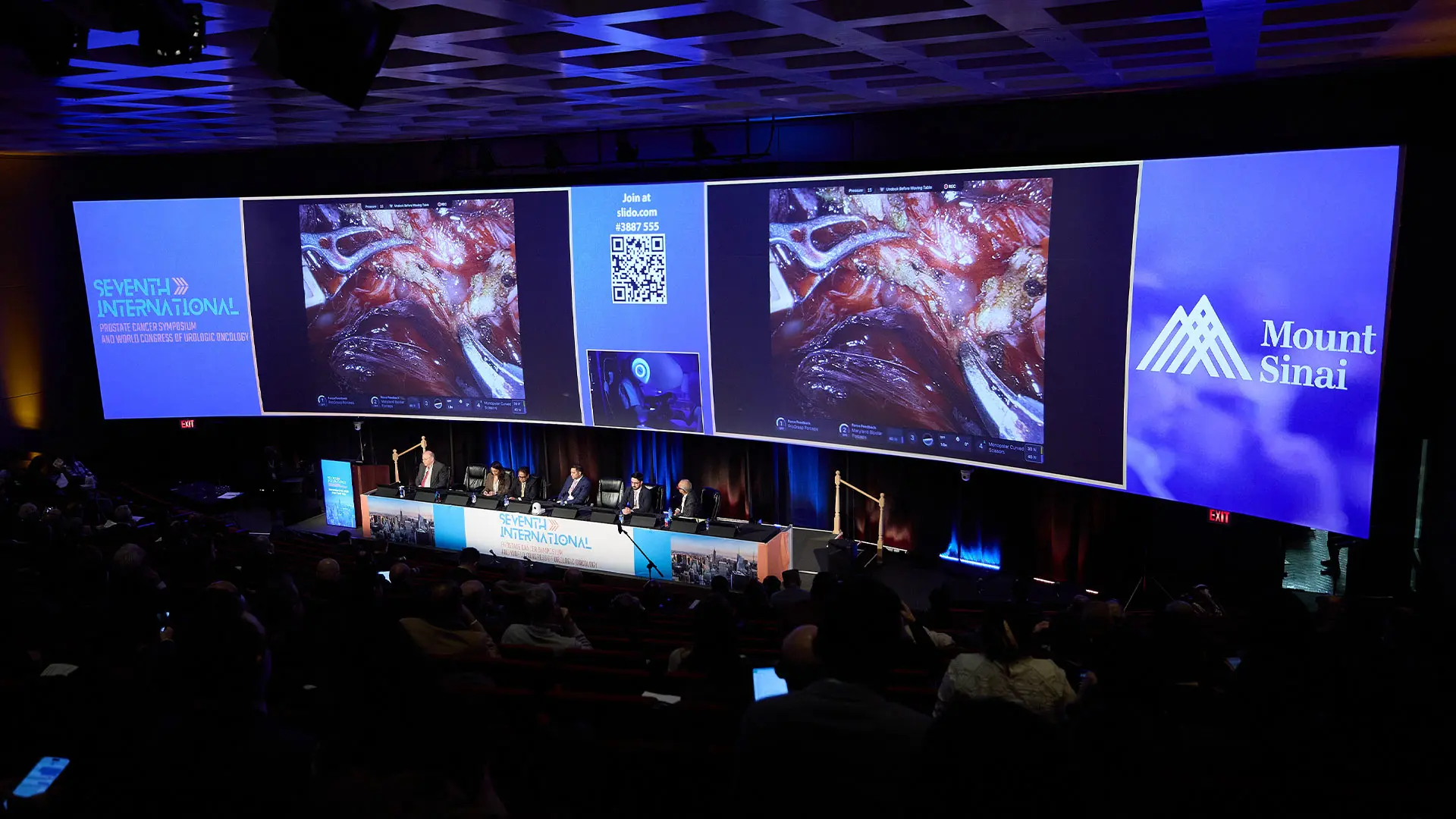
The Seventh International Prostate Cancer and World Congress of Urologic once again featured insights on groundbreaking advancements, collaborative discussions, and dialogue on the future of urologic oncology. The three-day event in December brought together attendees and more than 100 distinguished faculty members from around the globe representing the pinnacle of modern urological care.
Hosted by the Icahn School of Medicine at Mount Sinai, the symposium featured the world’s foremost voices in urologic oncology, including surgeons, researchers, oncologists, industry partners, and scientific leaders, engaging in the conversations that shaping where the field moves next.
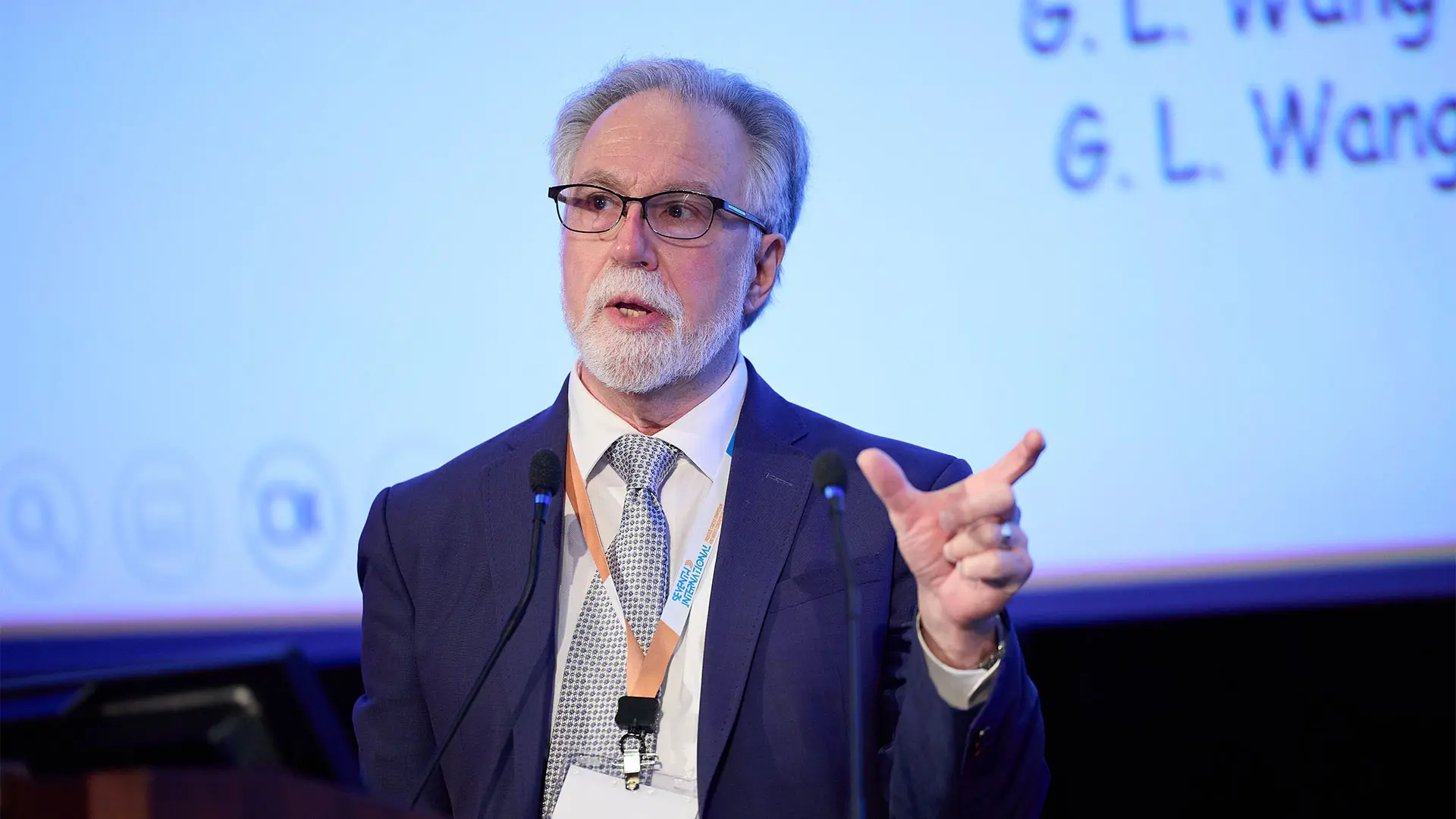
Nobel Laureate Gregg L. Semenza, MD, PhD
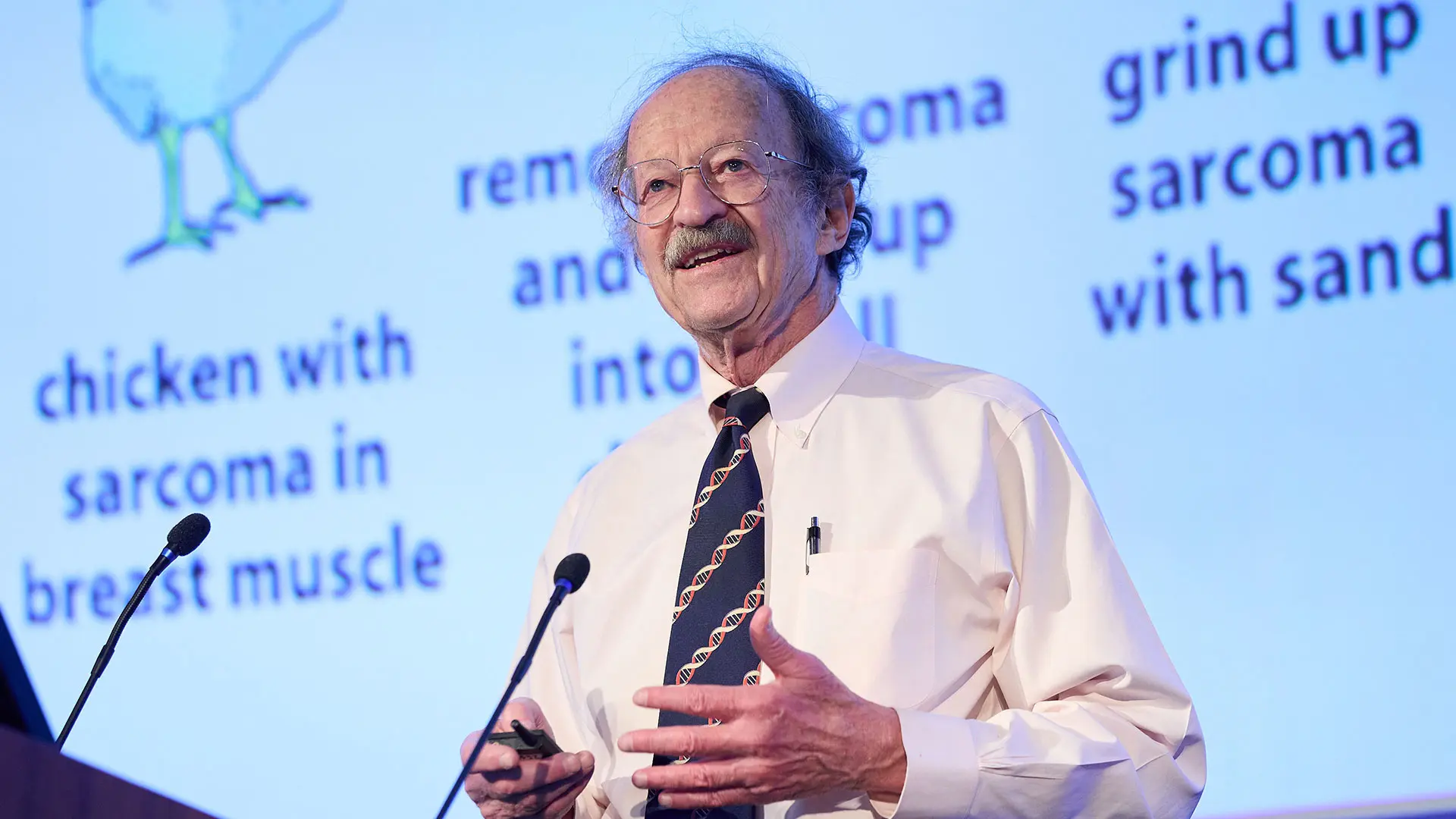
Nobel Laureate Harold E. Varmus, MD, PhD
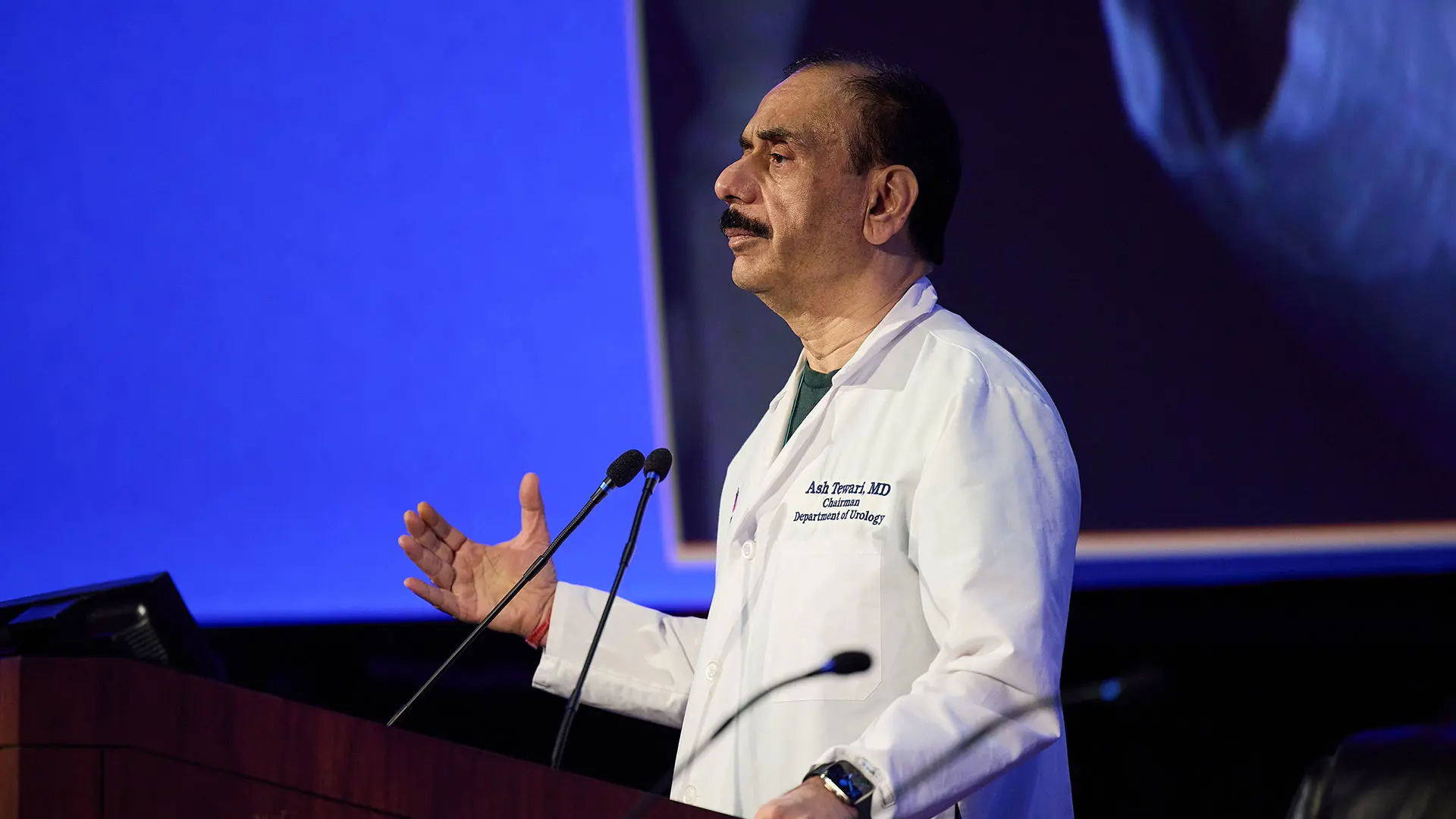
Ash Tewari, MBBS, MCh, FRCS (Hon.), DSc (Hon.)
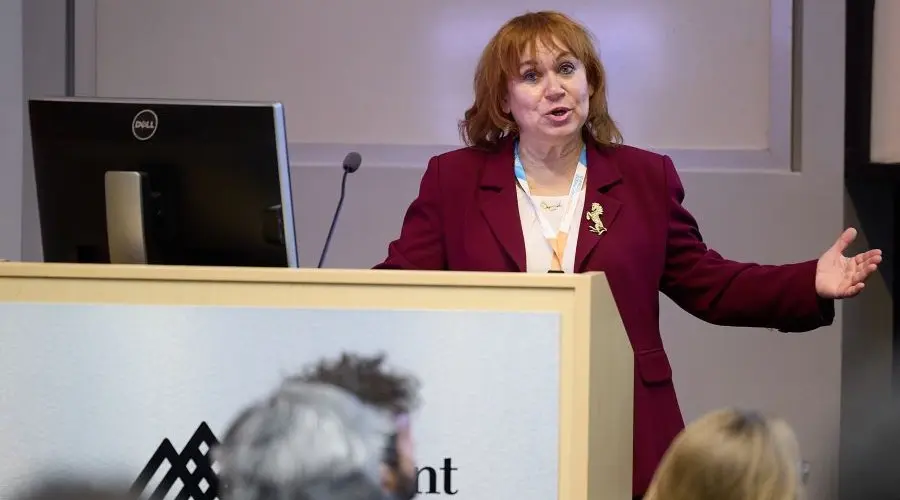
Natasha Kyprianou, MBBS, PhD
On the opening day, Nobel Laureate Harold E. Varmus, MD, PhD, provided a powerful exploration of cancer discovery, genetic insight, and the long arc of progress through research.
The following day, Nobel Laureate Gregg L. Semenza, MD, PhD, discussed hypoxia biology, tumor response, and translational pathways influencing tomorrow’s therapeutic approaches.
Among the highlights of the Symposium were live robotic surgeries by Ash Tewari, MBBS, MCh, FRCS (Hon.), DSc (Hon.), Ketan Badani, MD, FRCS (Hon.), and Peter Wiklund, MD, PhD, drawing a packed audience and showcasing real-time surgical strategy, technique, and advanced operative thinking. Attendees also experienced semi-live robotic surgeries, immersive 3D surgical video sessions, and cutting-edge panel discussions exploring the future of oncologic care and surgical technique.
In this keynote lecture, Dr. Tewari delves into the delicate relationship between nerves and prostate cancer, uncovering how surgical precision, anatomy, and healing interplay to preserve function and quality of life, and shares his journey toward redefining nerve-sparing techniques and advancing personalized care.
Other sessions focused on breakthrough sessions on biomarkers, PSMA-PET imaging, radiomics, focal therapy, immuno-oncology, clinical trial outcomes, AI-augmented diagnostics, and next-generation surgical platforms.
The event concluded with a gala at The Plaza Hotel. A forward-looking session moderated by David Reich, MD, featuring Sandeep Swadia, a prominent investor and advisor, and Dr. Tewari, who engaged in a rich discussion on the evolving role of AI in health care and the future of AI-driven innovation in urologic oncology.
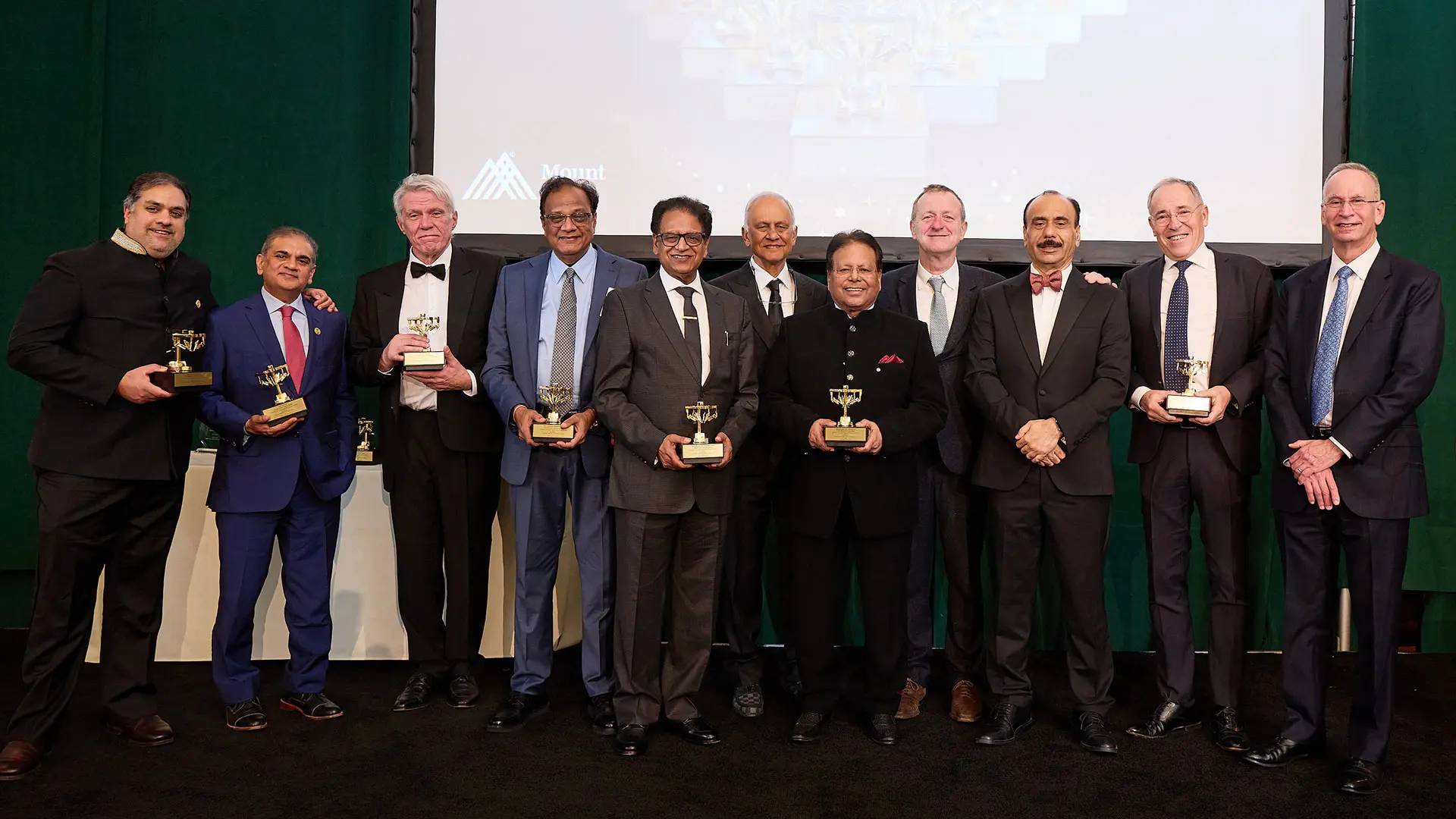
The 2025 Golden Robot Awards honorees and Mount Sinai leaders, from left: Ketan Badani, MD, FRCS (Hon.); Vipul Patel, MD; Pier Cristoforo Guilianotti, MD; Sudhir Rawal, MD; Ashok Hemal, MD; Mani Menon, MD, Chief of Strategy and Innovation; Sudhir Srivastava, MD; Bertrand Guilonneau, MD; Ash Tewari, MBBS, MCh, FRCS (Hon.), DSc (Hon.) Chair, Department of Urology; Peter Wiklund, MD, PhD; and David Reich, MD, President, The Mount Sinai Hospital, and Chief Clinical Officer Mount Sinai Health System
The event included the presentation of the 2025 Golden Robot Awards honoring outstanding contributors to urologic oncology. The honorees included: Ketan Badani, MD, FRCS (Hon.); Pier Cristoforo Guilianotti, MD, FACS; Bertrand Guilonneau, MD; Ashok Hemal, MD; Vipul Patel, MD; Sudhir Rawal, MD; Sudhir Srivastava, MD; and Peter Wiklund, MD, PhD.
In addition, special recognition was given in absentia to Alberto Breda, MD, PhD; Alex Mottrie, MD; Francesco Porpiglia, MD; Gary Guthart, PhD; Prokar Dasgupta, MD; Inderbir Gill, MD; and Francesco Montorsi, MD, honoring their substantial impact on the field and their pioneering work.
Each honoree’s remarks underscored how far we’ve come, and how much potential remains, for innovation, collaboration, and improved patient outcomes in urologic oncology.
The 2026 Congress is scheduled for Wednesday, December 9, to Friday, December 11, 2026.