Veterans often face complex and overlapping mental health challenges, including conditions related to trauma, substance use, and reintegration into civilian life. The psychiatry residency program at Mount Sinai Morningside and West partnered with the James J. Peters VA Medical center to establish a dynamic VA Scholarly Track that provides residents with opportunities to learn novel medical and psychotherapy treatment modalities.
Launched in July 2025, the VA Scholarly Track was made possible when the residency program assumed responsibility for psychiatric patient care at the Bronx VA, according to Paul Rosenfield, MD, Director of Psychiatry Education and Training at Mount Sinai Morningside/West.
“We realized we could elevate this training opportunity to something more meaningful and impactful,” says Dr. Rosenfield, who is Professor of Psychiatry at the Icahn School of Medicine at Mount Sinai.
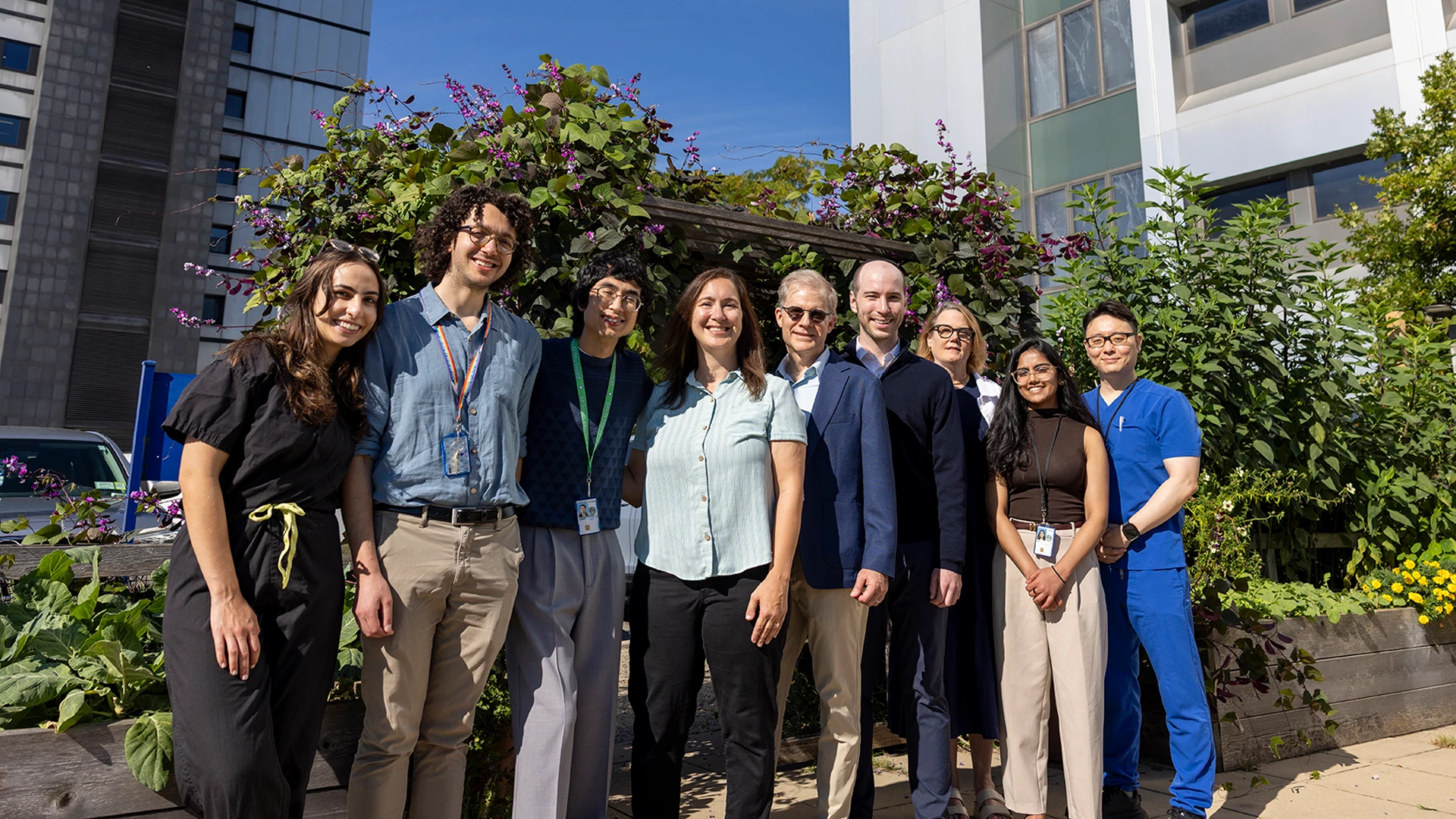
Members of the VA Scholarly Track and academic leaders at the James J. Peters VA Medical Center. From left to right: Lior Zweig, MD, PGY1; Raymond Rosenbloom, MD, PGY3; Josimar Hernandez Antonio, MD, PGY3; Christine LaGrotta, MD, Associate Residency Training Director for the VA Scholarly Track; Paul Rosenfield, MD, Director of Psychiatry Education and Training at Mount Sinai Morningside/West; Mark Weingarten, MD, Administrative Chief Resident for the VA Scholarly Track; Julia Golier, MD, Chief of Psychiatry at the Bronx VA; Urja Shah, DO, PGY3; and Harry Kim, MD, PGY2.
“One of our goals in this track is to provide residents with more specialized, intensive training in trauma and psychotherapy so they are better equipped to care for veterans who have served our country,” he says.
Unique patients, unique training experiences
Veterans face distinct psychiatric challenges, including substance use disorders, posttraumatic stress disorder (PTSD), and increased suicide risk. The VA Track prepares residents to address these challenges through longitudinal clinical training, psychotherapy, research, and mentorship.
First-year residents complement their work at Mount Sinai Morningside and West with rotations on the Bronx VA inpatient psychiatry unit. In their second year, they rotate through outpatient psychiatry and primary care mental health integration clinics, gaining longitudinal outpatient treatment experience while beginning research and mentorship. They also begin psychotherapy training, including leading a dialectical behavior therapy group for veterans.
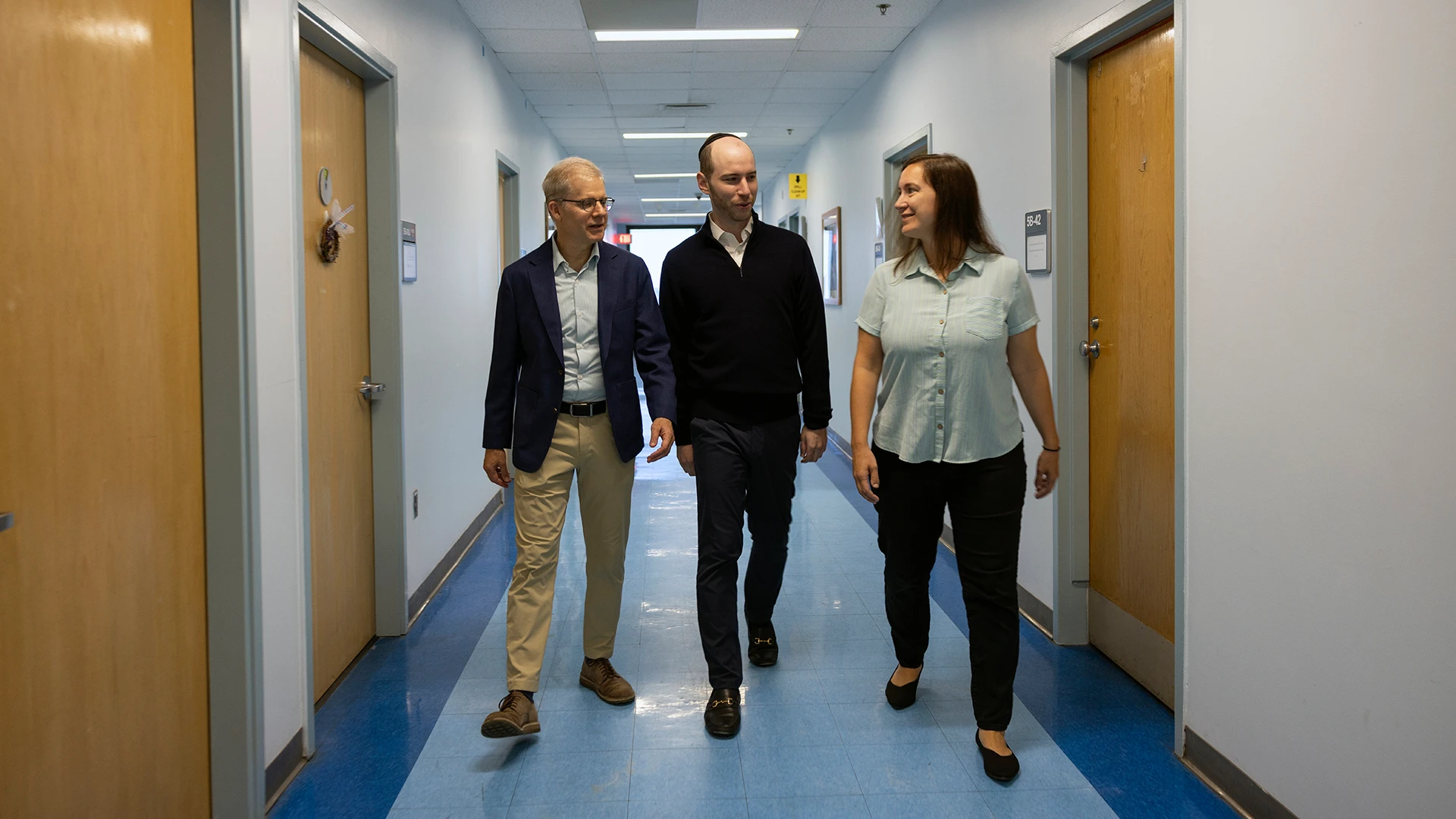
Residents at the VA Track receive training tailored to meet the unique needs of veterans, which can include posttraumatic stress disorder, substance-use disorders, and other related conditions and traumas. Dr. Weingarten (center) has also helped develop several of the VA Track's clinical and educational initiatives, with the mentorship of Dr. Rosenfield (left) and Dr. LaGrotta (right).
In their third year, residents are based full-time at the Bronx VA, rotating through subspecialty clinics in addiction care, geriatric psychiatry, trauma, and serious mental illness. Under supervision, they also learn to deliver psychodynamic, cognitive behavioral, and trauma-focused psychotherapies.
Residents have protected time weekly to engage in research in a range of areas, including psychedelic-assisted psychotherapy for PTSD. In their fourth year, they receive additional training in trauma-focused psychotherapies and can dedicate more than 50 percent of their time to research and specialized interests in psychiatry.
“The emphasis on research is an important component of the track in that we want residents to be a part of the incredible scholarly work that VA faculty are leading,” says Dr. Rosenfield.
What distinguishes the track is the ability to combine longitudinal VA clinical training with advanced psychotherapy, scholarship, mentorship, and opportunities for residents to develop new programs based on their individual interests. In partnership with Mount Sinai's Global Mental Health and PreAct Programs, residents can collaborate and engage in international trauma work, including in Israel and Japan.
July 2025
Year the VA Scholarly Track was launched
16
Number of residents currently in the track
20-50%
of resident time can be dedicated toward research and specialized interests
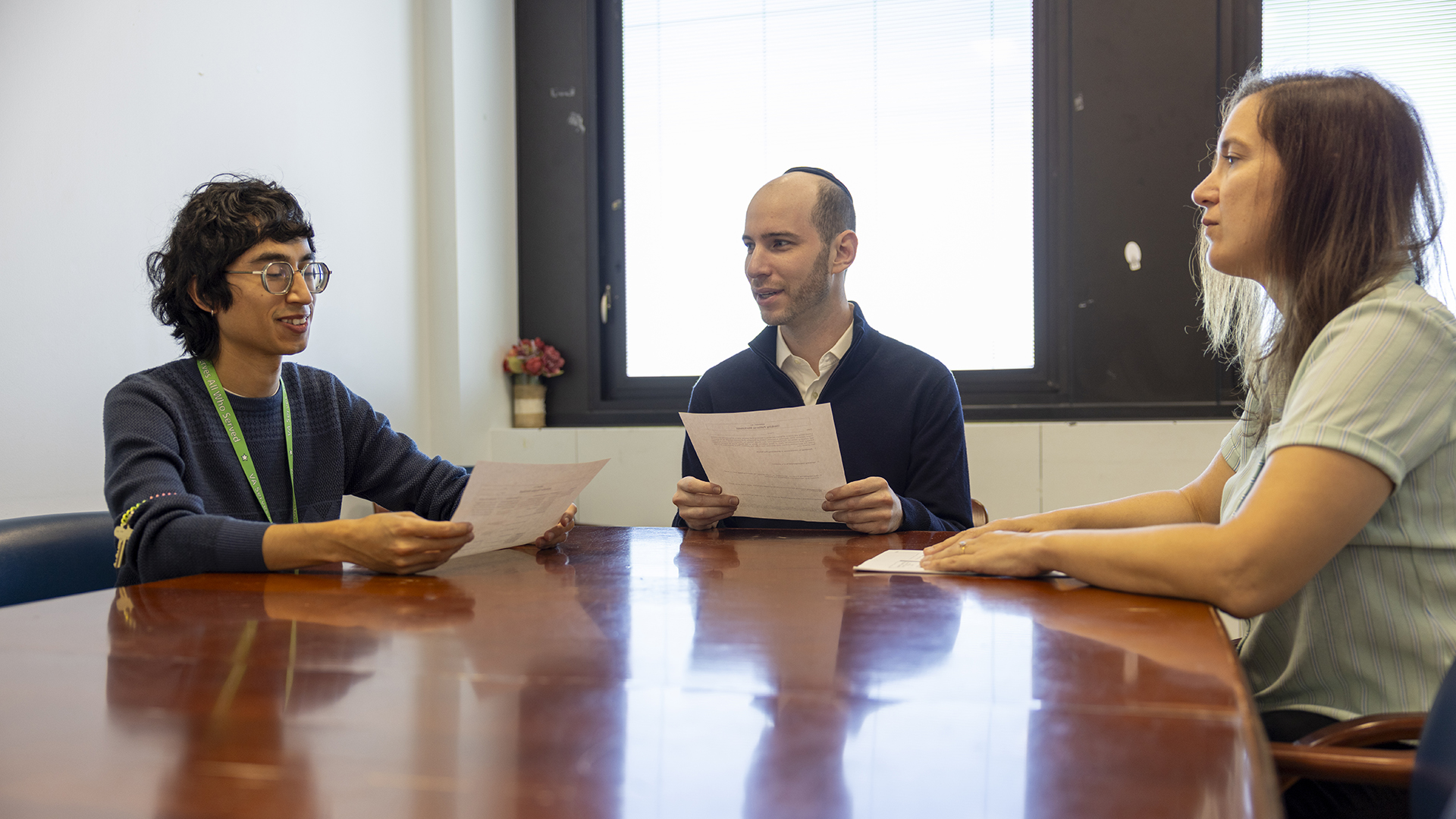
Mark Weingarten, MD, Administrative Chief Resident for the VA Track, has helped develop several of its clinical and educational initiatives. His interest in serving veterans began years earlier when he volunteered at the Bronx VA while in college.
“I joined the track to learn how to better care for those who have served,” Dr. Weingarten says. He was also drawn to the track’s flexibility, which enables residents to pursue new ideas and help build programs around their interests.
Now in his fourth year, Dr. Weingarten has used that flexibility to pursue clinical and research interests related to trauma and veteran mental health. Experiences in acute trauma and disaster psychiatry complement residents’ VA clinical work with exposure to how different cultures and health care systems understand and respond to trauma.
Empowering Residents to Drive Innovation
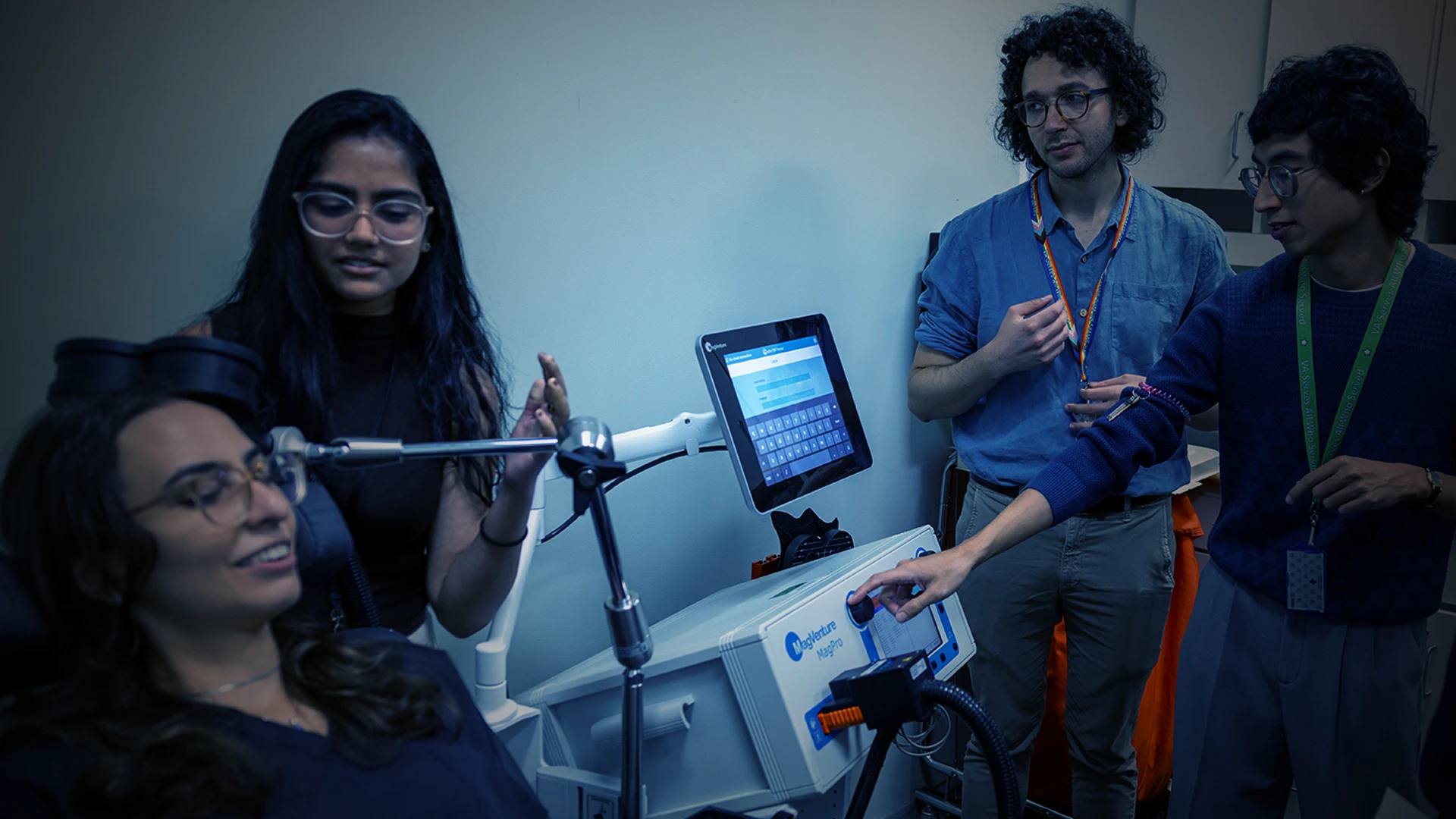
The residency program encourages residents not only to learn emerging therapeutic approaches but also to develop ideas for advancing patient care. Christine LaGrotta, MD, an addiction psychiatrist at the Bronx VA and Associate Residency Training Director for the VA Track, says residents are spearheading a new transcranial magnetic stimulation clinic for treatment-resistant depression.
Residents across multiple years, together with psychology interns at the Bronx VA, are working on an initiative to increase education about mental health challenges among active service members and reduce barriers to care.
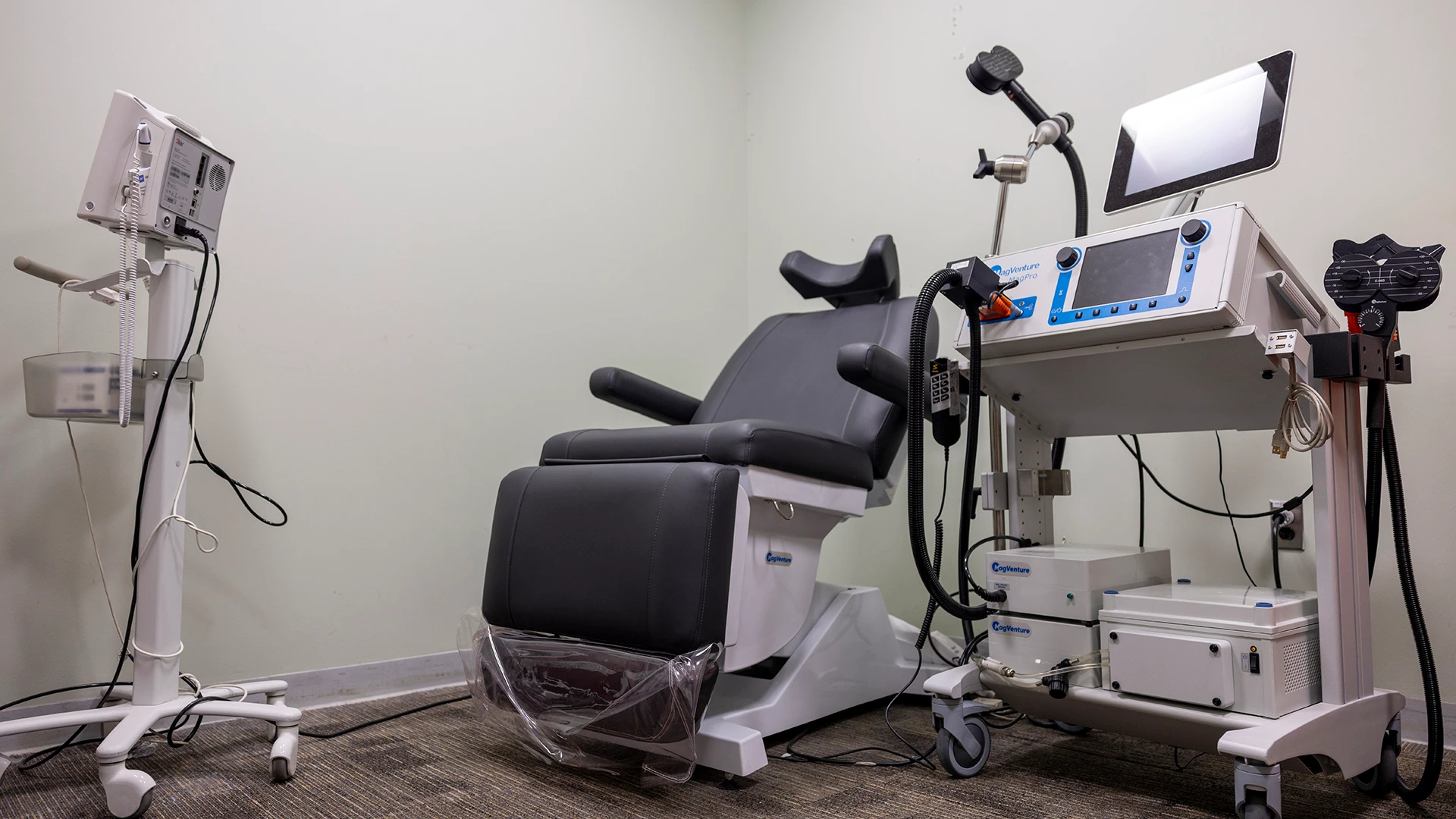
Trainees at the VA Track are empowered to launch programs to the benefit of the veterans whom they treat. An example includes a new transcranial magnetic stimulation clinic for treatment-resistant depression, for patients who do not respond well to conventional treatments.
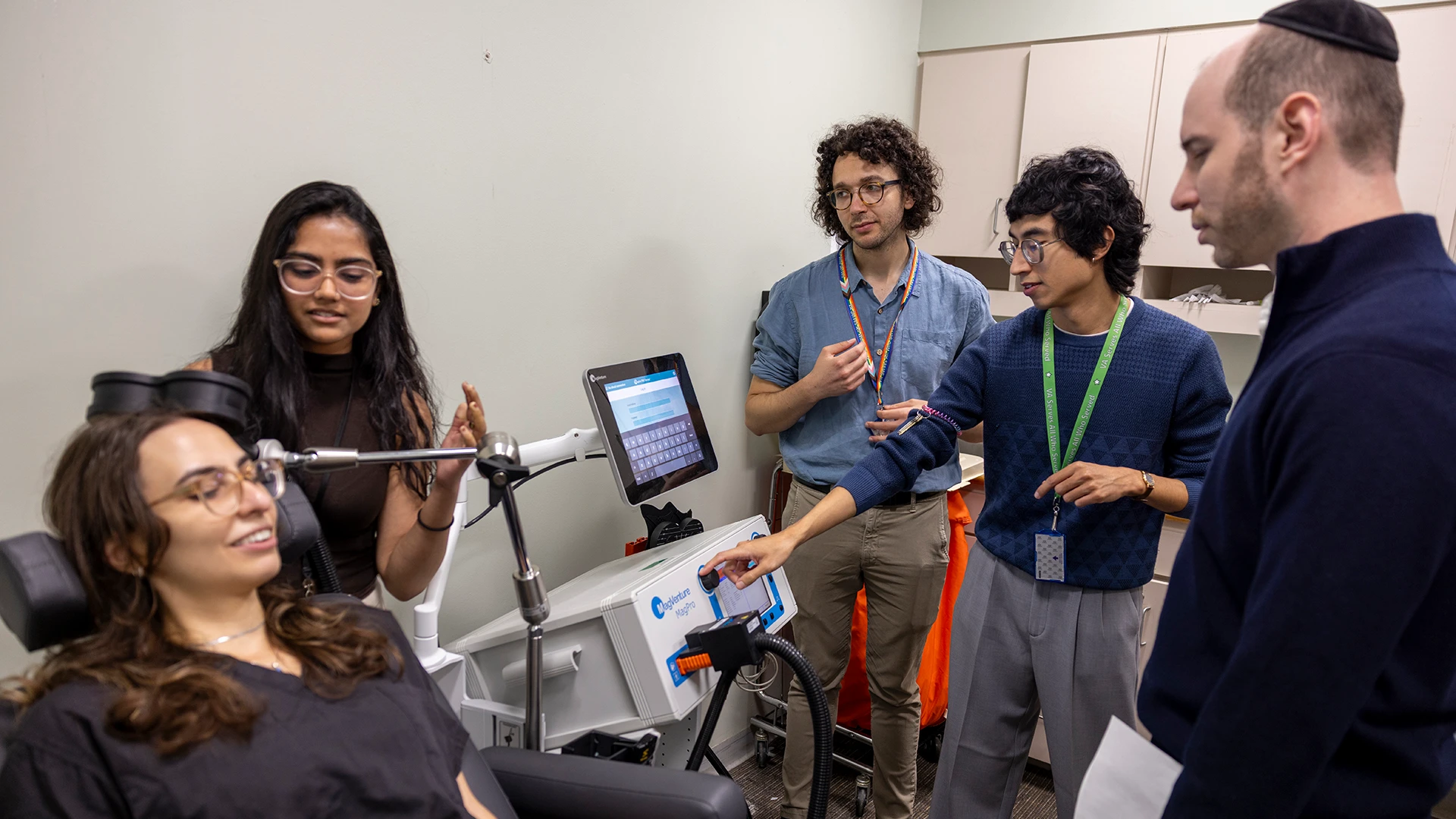
From left to right, Drs. Zweig, Shah, Rosenbloom, and Hernandez Antonio are giving a demonstration and simulation of the transcranial magnetic stimulation setup to Dr. Weingarten in the new clinic, which was set up by the VA Track residents.
“That capacity to implement resident ideas when they come up and provide both didactics and experience in delivering treatments has been a wonderful part of building this track,” says Dr. LaGrotta.
Residents also participate in emerging areas of psychiatric research, including VA studies of psilocybin-assisted psychotherapy. Several residents and attending physicians recently participated in specialized training in MDMA-assisted psychotherapy led by Bronx VA faculty.
Dr. Rosenfield hopes to continue expanding the track’s trauma-focused training and residents’ exposure to emerging therapeutic approaches, with lessons that may ultimately extend beyond veteran mental health.
“We want to be leaders in understanding and treating trauma-related as well as other mental illnesses effectively, and in training future leaders who carry on that work in innovative ways in the VA system,” he says. “That will lead to improved treatments not just for veterans, but for everyone.”
Featured
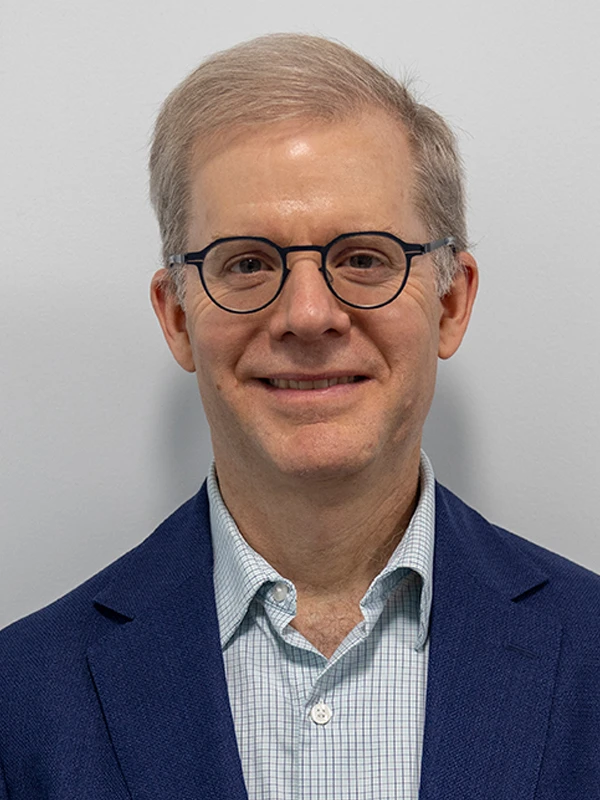
Paul Rosenfield, MD
Director of Psychiatry Education and Training, Mount Sinai Morningside/West
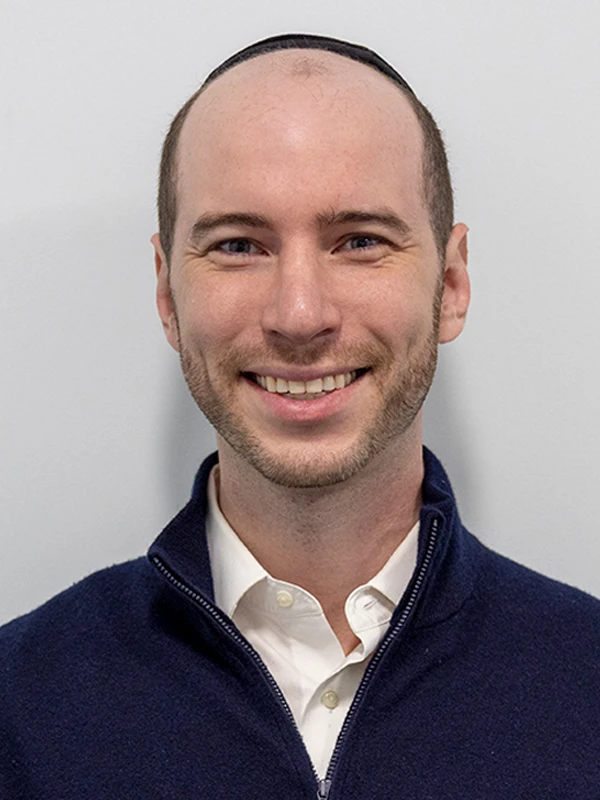
Mark Weingarten, MD
Administrative Chief Resident for the VA Track, Psychiatry Residency at Mount Sinai Morningside/West
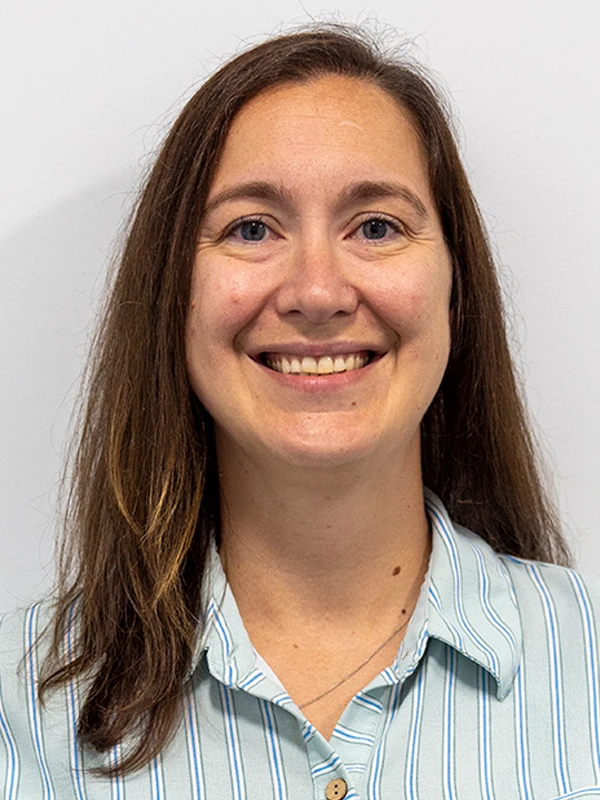
Christine LaGrotta, MD
Associate Residency Training Director for the VA Track, Psychiatry Residency at Mount Sinai Morningside/West