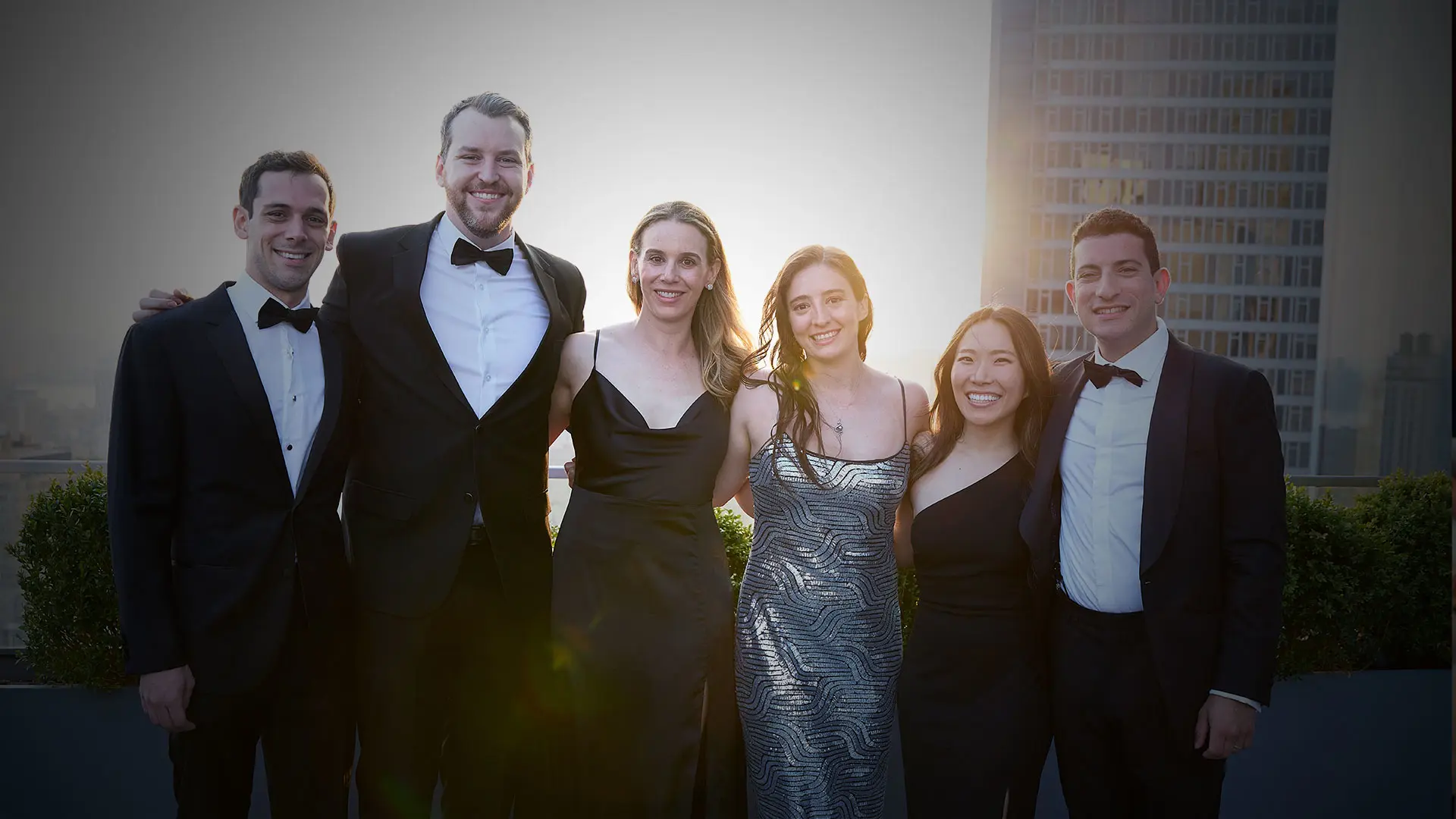
One of the leading orthopedic residencies in the United States, Mount Sinai’s Orthopedic Surgery Residency Program is among the most selective of its kind, accepting just seven residents from hundreds of applicants each year. The program regularly produces graduates who are frequently placed at the most competitive subspecialty fellowships.
“We are proud of the exceptional training our residency program provides,” says Paul Cagle Jr., MD, Associate Professor of Orthopedics and Orthopedic Surgery, Icahn School of Medicine at Mount Sinai, and Associate Director of the program. “By combining comprehensive clinical experience with strong mentorship, we prepare our residents to thrive as leaders in orthopedic surgery.”
Located in New York City, the Mount Sinai Health System provides a rich training ground across five hospitals, where orthopedic residents work with a diversity of patient types and pathologies. From outpatient medicine to inpatient care and surgery, residents gain comprehensive training in orthopedics under the mentorship of some of the best orthopedic surgeons in the world.
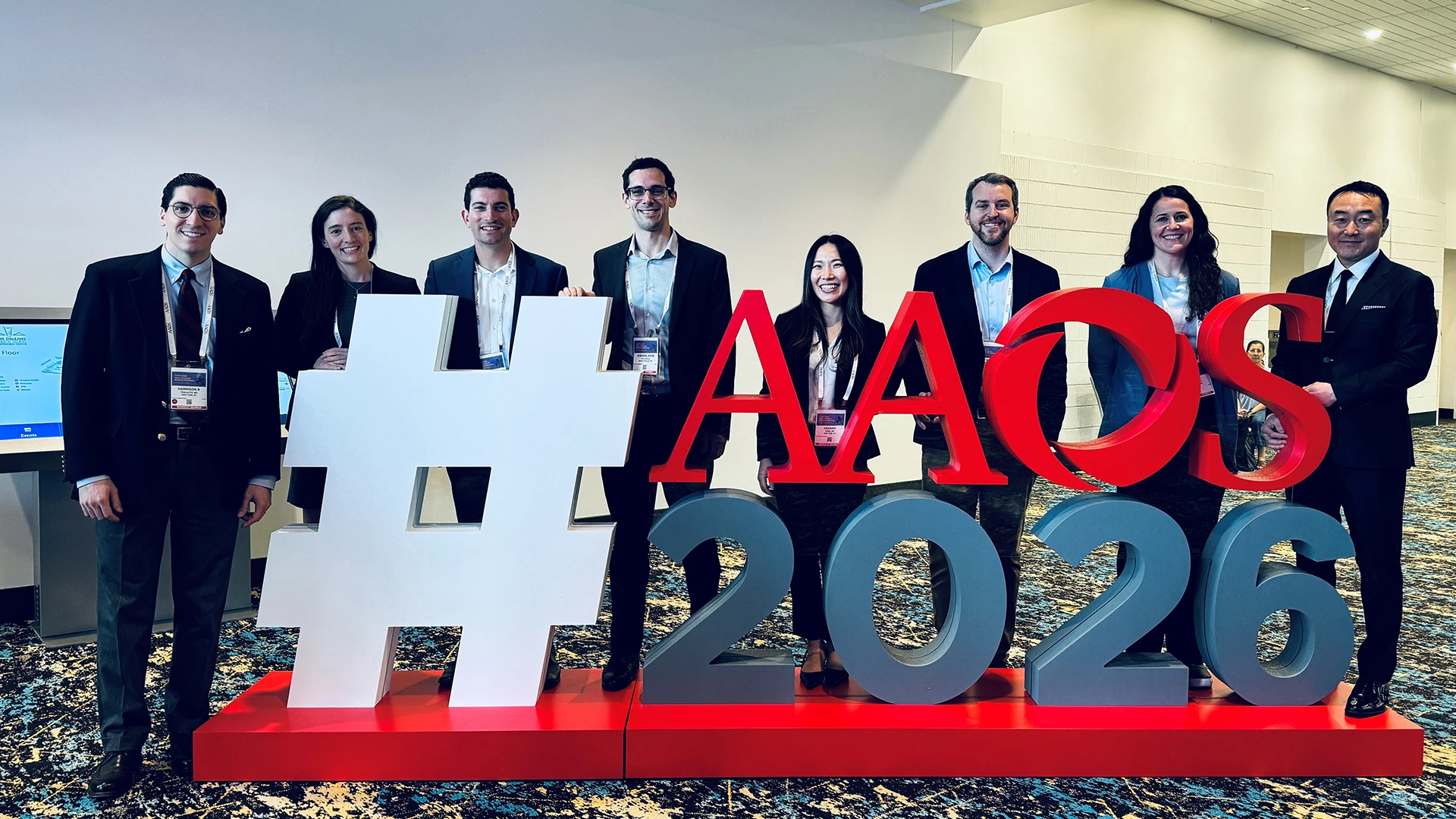
Mount Sinai orthopedic surgery residents at the American Academy of Orthopaedic Surgeons 2026 Annual Meeting in New Orleans. From left: Harrison Ferlauto, MD, Jamie Kator, MD, Dennis Bienstock, MD, Steven Yacovelli, MD, Hannah Rhee, MD, Eric Haunschild, MD, Rachel Glenn, MD, 2024–2025 Hand Fellow, Mount Sinai, and Jaehon M. Kim, MD, FAAOS, FACS, Director of the Mount Sinai Hand Fellowship program, C.V. Starr Hand and Upper Extremity Center, Mount Sinai Health System, and Associate Professor, Orthopedic Surgery, Icahn School of Medicine
“Our program extends well beyond surgical training,” says Bradford O. Parsons, MD, Professor of Orthopedics at the Icahn School of Medicine and Director of the program. “By the end of their third year, residents have broad exposure to all orthopedic subspecialties and experience caring for patients in both hospital and outpatient settings, giving them a clear sense of their interests and preparing them to pursue fellowship paths that align with their goals.”
Leesa M. Galatz, MD, MBA, Mount Sinai Professor and Chair of the Leni and Peter W. May Department of Orthopedic Surgery, Icahn School of Medicine, adds: “It’s incredibly rewarding to watch our residents develop during their training and move into impactful roles in both academic medicine and patient care. Their dedication and the difference they make for patients are significant, and we take great pride in all they have accomplished.”
Below, current Mount Sinai orthopedic residents discuss their personal experiences with the program, and where they are headed next.
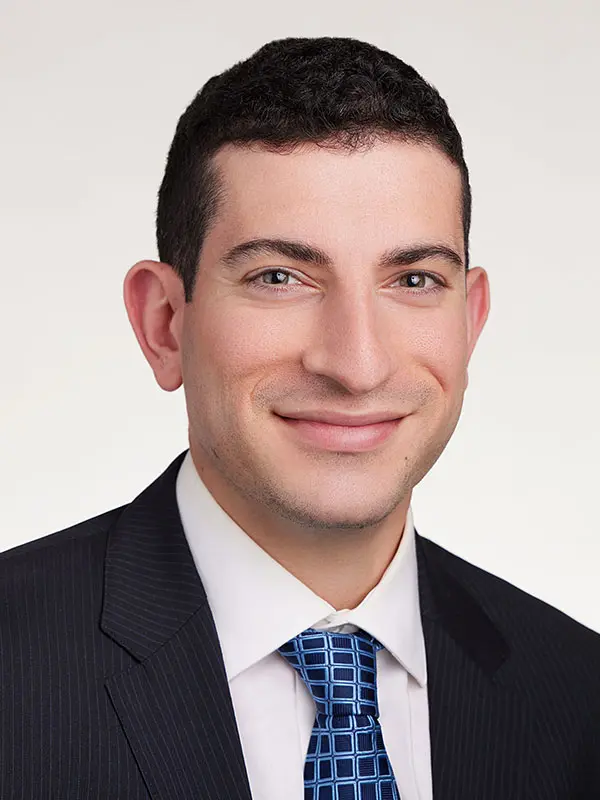
Dennis Bienstock, MD
I am thrilled to begin my fellowship training in orthopedic sports medicine this summer at the New England Baptist Hospital in Boston. During fellowship, I will have the opportunity to care for athletes ranging from “weekend warriors” to professionals, which has always been a dream of mine. I am incredibly excited to continue refining my skills in arthroscopy and open surgery, while working alongside experts in the field.
I have been very fortunate to have several mentors at Mount Sinai who have helped me accomplish my goals. I would like to thank the attendings in the Sports Medicine Division, namely James N. Gladstone, MD, Chief of the Sports Medicine Service and Associate Professor of Orthopedics; Shawn G. Anthony, MD, MBA, Associate Chief of Sports Medicine for the Mount Sinai Health System, and Associate Professor of Sports Medicine and Orthopedic Surgery; Alexis C. Colvin, MD, Professor of Orthopedic Surgery, and Senior Associate Dean for Alumni Affairs, as well as Chief Medical Officer for the US Open; Aruna M. Seneviratne, MD, Associate Professor of Orthopedics; Elizabeth Dennis, MD, Assistant Professor of Orthopedic Surgery; and Kazimierz W. Komperda, MD, Assistant Professor of Orthopedic Surgery. Not only have they been instrumental in helping me develop my skills in the operating room, they have also demonstrated how to be a superb clinician and diagnostician in the clinic.
Finally, from my time as a medical student at Mount Sinai, I was lucky to have been mentored by Andrew C. Hecht, MD, Chief of Spine Surgery, Mount Sinai Health System, Director of the Spine Center of Mount Sinai Doctors, and Professor of Orthopedic Surgery, and Neurosurgery; and Saad B. Chaudhary, MD, Associate Professor of Orthopedics, both at the Icahn School of Medicine. Their guidance has been tremendously helpful as I have progressed on my academic journey and continued to grow on a personal level.
I am grateful for the training and mentorship I received at Mount Sinai and look forward to applying the skills and experiences I have garnered in residency during fellowship.
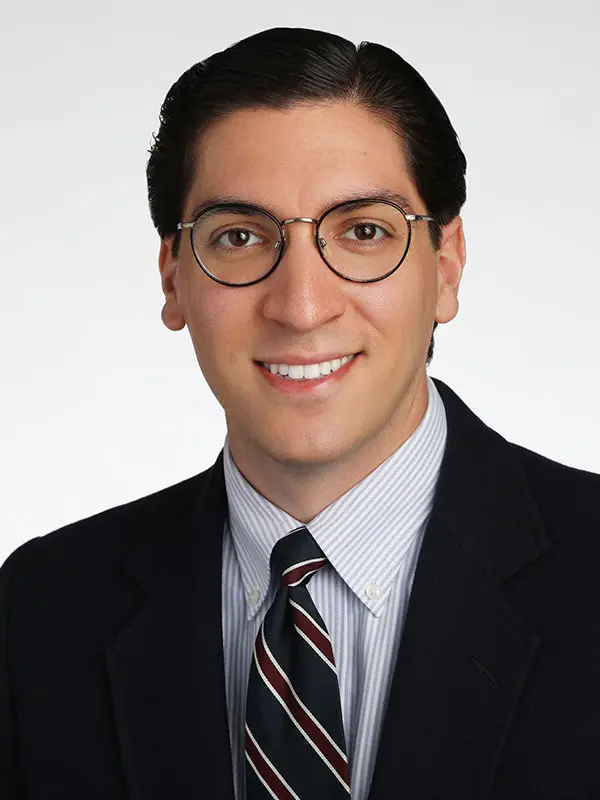
Harrison Ferlauto, MD
After residency, I will pursue fellowship training in hand, upper extremity, and microvascular surgery at the University of Colorado in Denver. This opportunity is especially meaningful to me, as several faculty members at the University of Colorado were previously affiliated with, and left lasting legacies at, institutions that have also shaped my training, including Duke University Hospital and Mount Sinai Morningside and Mount Sinai West. The volume and complexity of upper extremity cases at the University of Colorado are exceptional. As the state’s only academic medical center, the University serves as a regional referral hub, receiving emergent trauma transfers from five neighboring states. This breadth of pathology and responsibility will provide an unparalleled surgical experience. Beyond clinical care, I look forward to dedicated time in the cadaver lab, deepening my understanding of anatomy and contributing to research that advances techniques in hand surgery.
Throughout residency, my mentors have instilled in me a rigorous standard of excellence in hand and upper extremity surgery—one grounded in technical precision, thoughtful decision-making, and deep respect for patients. From learning how to manage a high-volume, world-class practice in New York City to operating on the most complex and technically demanding cases, I have been challenged to grow both surgically and professionally. My residency training has laid a strong foundation upon which I can build, refine, and mature into the most capable, compassionate, and technically excellent hand surgeon I can be.
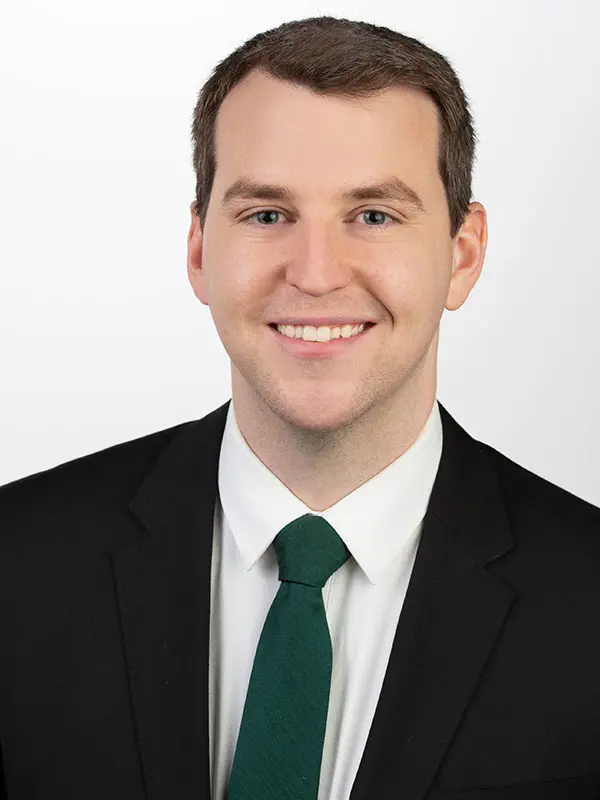
Eric Haunschild, MD
This summer, I will begin my fellowship in sports medicine at Cleveland Clinic in Ohio. Cleveland Clinic has such a strong reputation in sports medicine, and being able to train there—caring for high-level athletes and working alongside surgeons I admire and respect—is exciting. More than anything, it feels like the next big step toward becoming the kind of sports surgeon I’ve always aspired to be, and I look forward to strengthening my skills at a program that pushes me to be better every day.
My mentors in Sports Medicine and Shoulder and Elbow Surgery in the Department of Orthopedics at the Icahn School of Medicine at Mount Sinai have had a huge impact on my experience and growth during my residency. Each provided a perfect balance of high expectations for case preparation and efficiency while still permitting me to learn and improve my surgical skills in a controlled environment. Watching how they handled pressure, communicated with patients, and worked with the team shaped my vision for the kind of surgeon I want to become. I am extremely grateful for their commitment to my advancement as a surgeon and know that it has laid the foundation for my future career.
Jamie Kator, MD
After graduation, I will continue my training at the University of Pittsburgh Medical Center’s (UPMC) Hand and Upper Extremity Fellowship. I am immensely happy to have the opportunity to learn from equally great mentors there as I have experienced here at Mount Sinai. The scope of practice, complexity, and volume drew me to the program initially, but it was the community I observed among the faculty there that solidified UPMC as the best place for me to take the next step in my training.
My mentors here at Mount Sinai have no doubt impacted my journey into hand surgery. Of course, they were integral to my development of surgical skills and knowledge, but more importantly, they were instrumental in building my confidence as an orthopedic surgeon. Because of their support, I have grown into a better surgeon and leader. And I look forward to taking what I have learned from them into my future career in hand surgery.
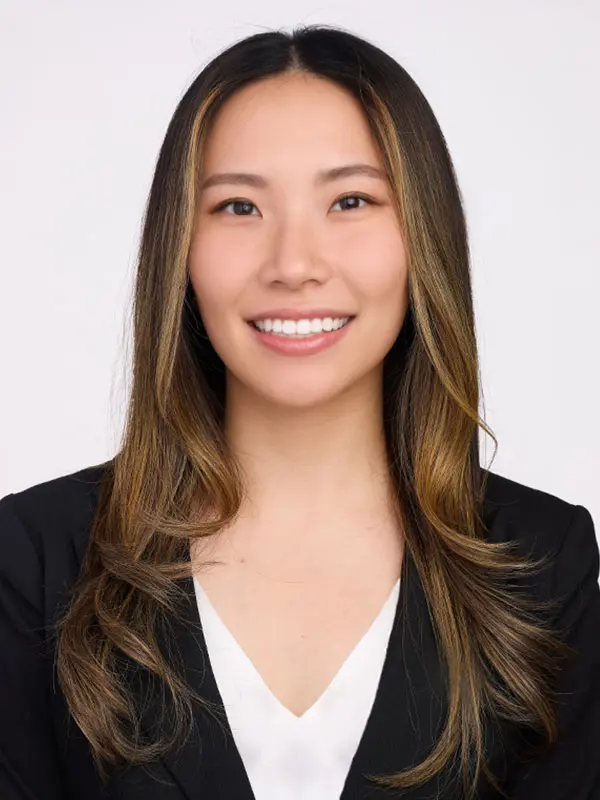
Hannah Rhee, MD
After residency, I will be heading to the Curtis National Hand Center in Baltimore to begin my fellowship in hand surgery. Matching into this program is incredibly meaningful to me as it represents the culmination of years of hard work and a long-standing goal. This achievement would not have been possible without the unwavering support of my family, friends, and mentors, who stood by me throughout residency.
During my time at Mount Sinai, I was fortunate to train with mentors who pushed me to grow technically while supporting my development as a surgeon. I am especially grateful to Jaehon M. Kim, MD, FAAOS, FACS, Director of the Mount Sinai Hand Fellowship program at the C.V. Starr Hand and Upper Extremity Center at the Mount Sinai Health System, and Associate Professor of Orthopedic Surgery; Amanda Walsh, MD, Assistant Professor of Orthopedics; Michael R. Hausman, MD, Dr. Robert K. Lippmann Professor of Orthopedic Surgery, and Vice Chair of the Department of Orthopedics; and Dr. Hecht for their guidance and investment in my growth.
Laura Thurber, MD
This summer, I will attend a sports medicine fellowship at the New England Baptist Hospital in Boston. It means so much to focus my training on areas I have been passionate about for years, and I am truly honored to continue that journey. I am excited to refine innovative surgical techniques within sports medicine and grow as a team physician caring for elite athletes.
My time at Mount Sinai has been defined by extraordinary mentorship. I have been fortunate to learn from world-class surgeons who are also thoughtful teachers and inspiring leaders. They have shaped my clinical judgment, technical skills, research interests, and leadership style.
Beyond professional growth, their personal support has meant just as much. Navigating residency was made possible by mentors who were not only invested in my development as a surgeon but also in my well-being as a person. I am deeply grateful for the relationships formed and for the foundation they have helped me build as I take the next step in my career.
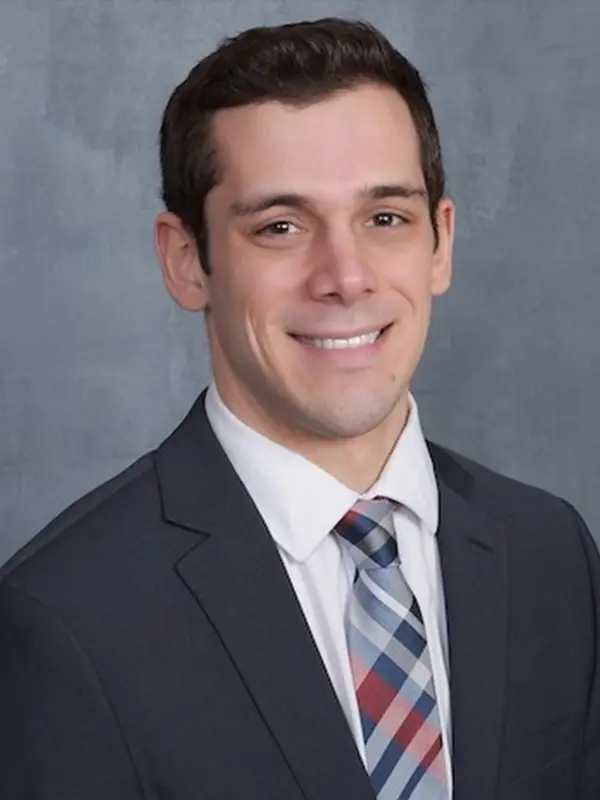
Steven Yacovelli, MD
I will be attending the Penn State Health Orthopaedic Trauma Fellowship for the 2026-2027 year. I chose trauma fellowship for a multitude of reasons. Most importantly, I felt that trauma offers me the opportunity to provide meaningful care to patients who are often in a moment of their lives where they feel most vulnerable. I find it deeply satisfying to provide care for these patients. Each patient and each surgery is unique, engaging, and challenging. I have found that I really enjoy the learning process and hope to one day teach in some form through a career in trauma orthopedics.
My mentors have had a profound impact on my learning, aspirations, and growth throughout residency. Countless attendings and faculty have taught me not only innovative and fundamental techniques in the OR but also how to care for patients on a personal level. Additionally, they have encouraged me through their work to chase my goals and never settle. It has been inspiring to witness them achieve greatness while encouraging greatness in us as residents. My mentors have shaped me in every way as a resident and future trauma surgeon.
Featured
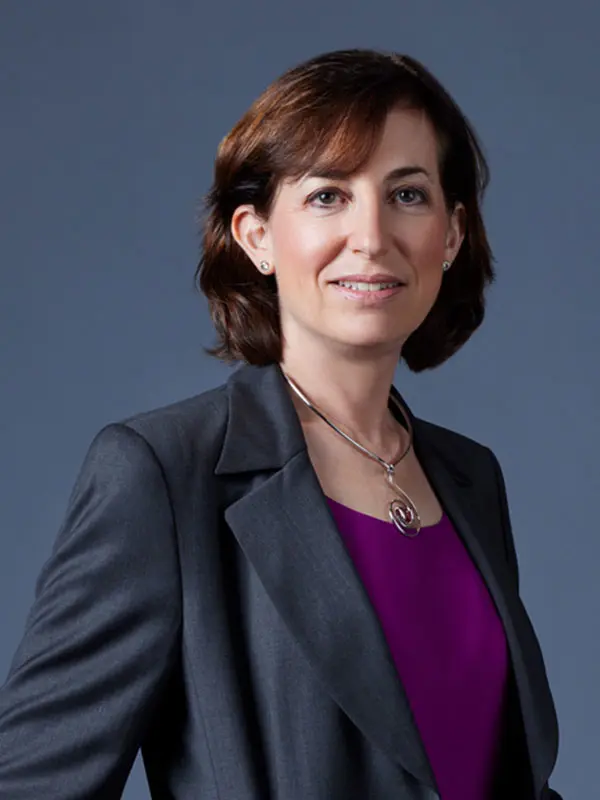
Leesa M. Galatz, MD, MBA
Professor and Chair of Orthopedic Surgery
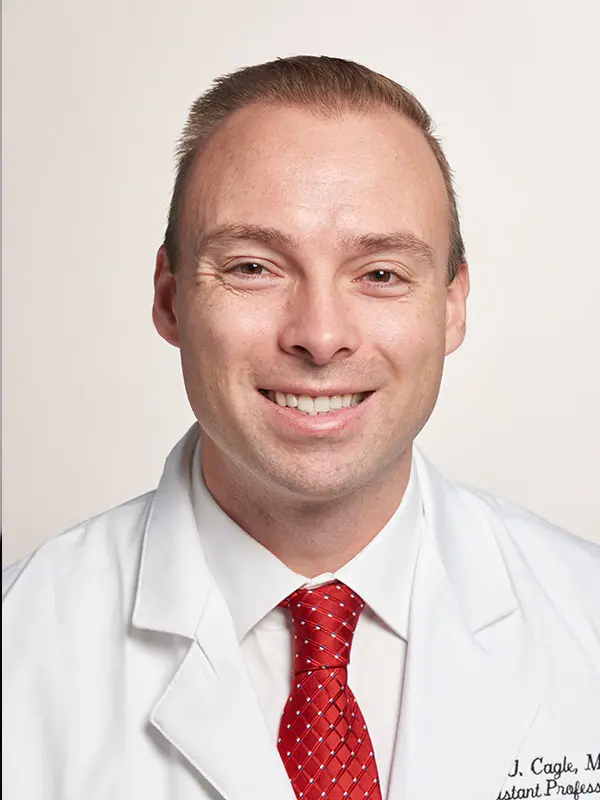
Paul J. Cagle, Jr., MD
Associate Professor of Orthopedics and Orthopedic Surgery
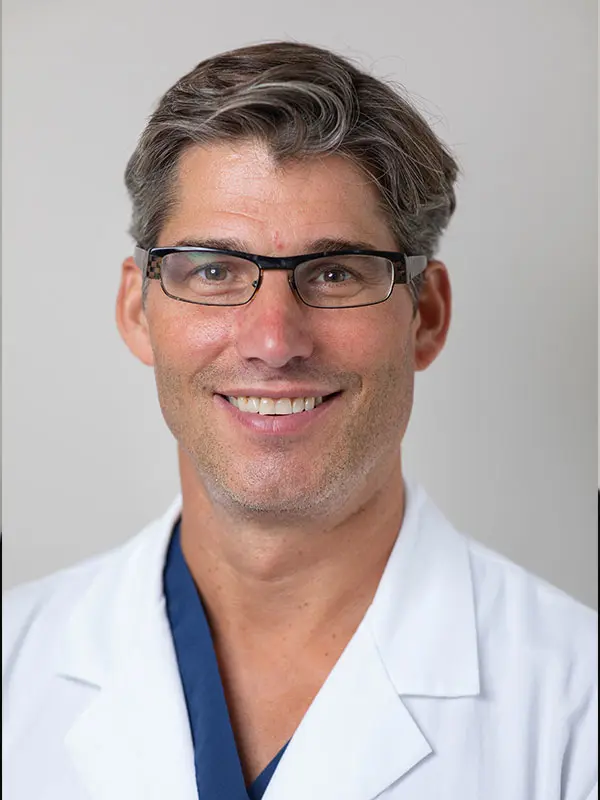
Bradford O. Parsons, MD
Professor of Orthopedics