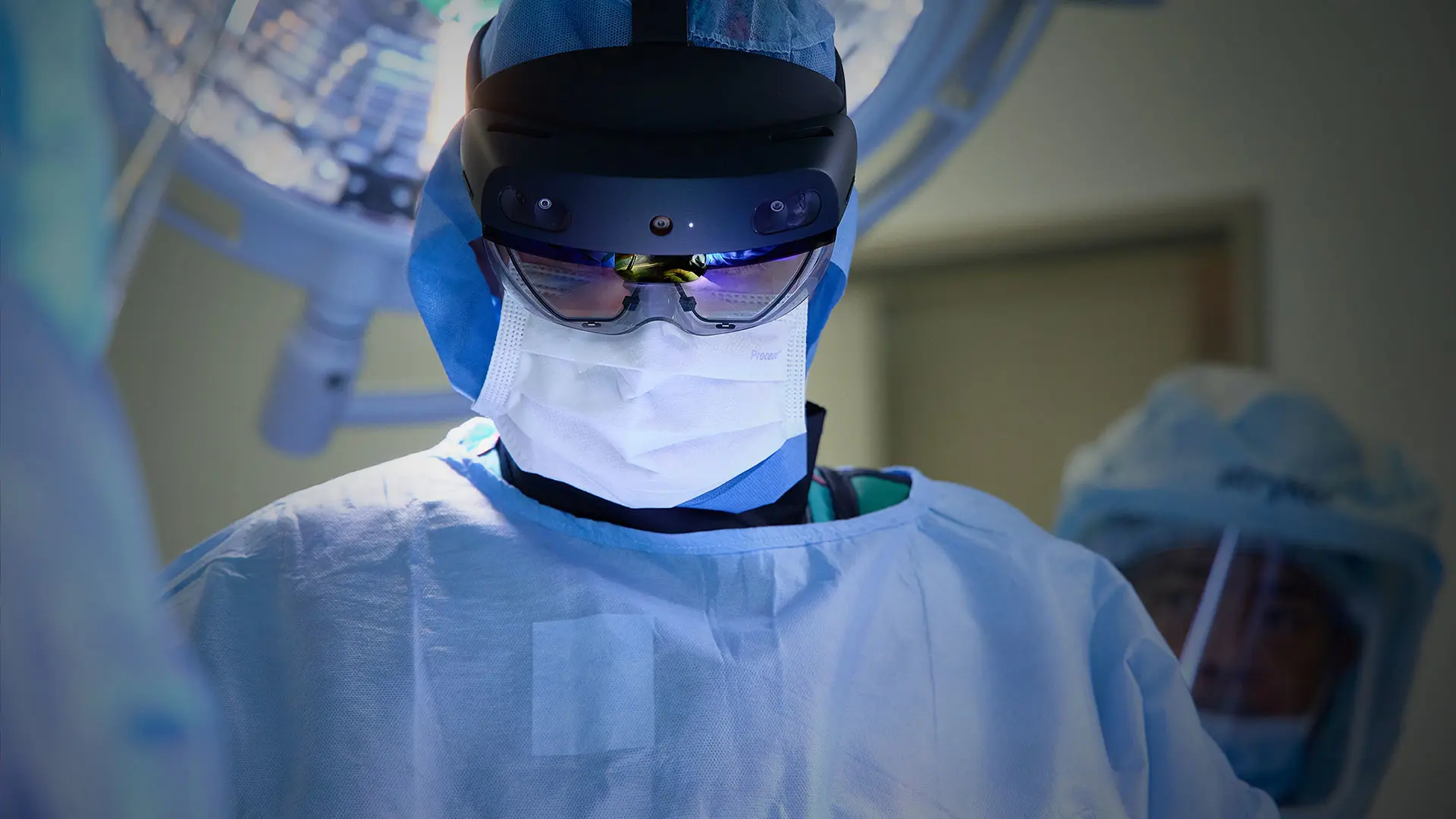
The news that The Mount Sinai Hospital achieved the lowest readmission rates in New York State following hip and knee replacement surgery was meaningful for Calin Moucha, MD. The Hospital also ranked lowest in New York City for surgical site infection rates following hip replacement, according to the Hospital-Acquired Infections in New York State, 2022, a report released by the New York State Department of Health that tracks surgical site infections following several surgical procedures.
Dr. Moucha notes that these achievements are particularly notable given The Mount Sinai Hospital’s medically complex and heterogeneous patient population. As Chief of Joint Replacement Surgery for the Mount Sinai Health System, he adds that it has been even more meaningful for patients.
“Many are terrified of having surgery in general, and infection is one of the things they’re very worried about,” says Dr. Moucha, Professor of Orthopedic Surgery at the Icahn School of Medicine at Mount Sinai. “We are able to demonstrate to them that they are in good hands, thus earning their trust.”
He notes the Hospital is a multispecialty tertiary care institution that provides care to patients who have many comorbidities. “When our patients need orthopedic care, the stakes are quite high, and we have responded to that with a robust infection prevention program,” he says.
The program is informed by Dr. Moucha’s early involvement in the development of surgical site infection prevention measures through the American Academy of Orthopaedic Surgeons’ Patient Safety Committee in the early 2000s. His long-standing commitment to infection prevention remains unwavering.
“Infection prevention is an evidence-based, comprehensive, outside-in paradigm encompassing preoperative patient optimization, intraoperative practices, and rigorous postoperative surveillance,” he says.
Preventing Infections Before Surgery
Each patient undergoes an extensive medical evaluation for risk factors such as weight, medical conditions, and medications. The goal is to identify opportunities to reduce risk through interventions such as increasing their vitamin D intake, smoking cessation, nutritional supplementation, weight loss, anemia workup, or consultation with a dentist if there are concerns about their oral health. Patients also have access to a virtual class that outlines measures they can take to prepare for surgery.
“Often, we will engage the patient’s primary care physician or subspecialists to ensure that patients are optimized. While doing that, we manage their pain with injections and medications,” Dr. Moucha says. “Once they are optimized, we book them for surgery.”
Individuals who are scheduled are educated about using chlorhexidine in the five days leading up to surgery to lower the skin bacterial count. Patients are also tested preoperatively for Staphylococcus colonization in their nares. Depending on the findings of this test, Dr. Moucha will either advise patients to take mupirocin twice a day in the five days leading up to surgery or administer an iodine-based antiseptic one hour before surgery.
“This protocol has proven to lower the rate of Staphylococcus colonization in the nose, which translates to a lower infection rate,” he says.
Preventing Infections During Surgery
In the operating room, Dr. Moucha and his colleagues have established several protocols to further reduce infection risk. These include close attention to antibiotic choice, dose, and timing; standards for operating theater ventilation; and strict limits on the number of people who are present. In most cases, they administer tranexamic acid, which has been shown to reduce blood loss during surgery, thus reducing the risk for transfusion.
“Of equal importance, surgeries are conducted in accordance with established infection-prevention protocols, emphasizing meticulous techniques and operative efficiency to minimize surgical duration and associated infection risk,” he says. “We also use antiseptic solutions to further reduce the risk of bacterial contamination.”
Preventing Infections After Surgery
After surgery, Dr. Moucha applies dressings with a silver coating, which helps prevent surgical-site infections. Once patients are discharged, he and his colleagues monitor their progress through follow-up consultations at two weeks, six weeks, three months, and six months to ensure there are no complications, followed by annual checkups thereafter. In that first year, patients have access to their physicians, or the support staff, if they have any concerns or questions about healing post-surgery.
“Care is delivered through small, team-based clinical pods consisting of a physician, physician assistant, and administrative assistant, enabling multiple avenues of communication for patients,” he says. “The overarching priority of this model is patient safety.”
With that objective in mind, Dr. Moucha is investigating other opportunities to improve readmission rates and keep infection rates down. He is particularly interested in the potential of using machine learning and artificial intelligence to enhance surgical practices and patient optimization. He maintains active collaborations with international leaders in orthopedic infection and has served as an invited delegate to the International Consensus Meeting on Infection on three occasions.
He notes that “engagement in these global consensus efforts has contributed to the development of evidence-based, methodologically rigorous recommendations designed to improve patient outcomes.”
But, in his view, one factor is even more important: communication.
“Whether it is talking to a patient or staff member about the steps they can take to prevent infections or ensuring people are empowered to speak up when they have ideas for improvements, it is important to listen to everyone and not be afraid to change the culture.”
Featured
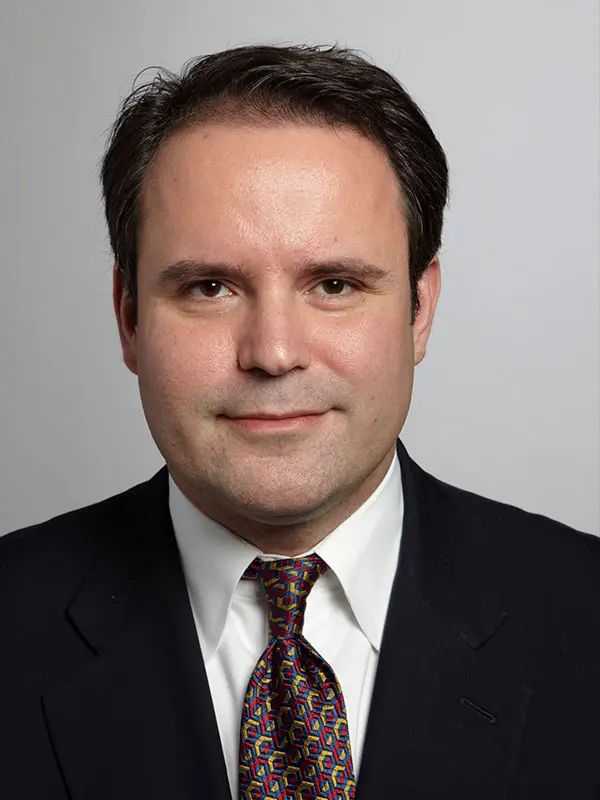
Calin S. Moucha
Chief of Joint Replacement Surgery, Mount Sinai Health System, Professor of Orthopedics