The obstetrics and gynecology residency programs at The Mount Sinai Hospital and Mount Sinai West, on opposite sides of Manhattan, have distinctive strengths and nuances. Yet they are alike in the most important way—each providing residents with robust clinical training in comprehensive obstetrics, gynecology, and ambulatory women’s health care, as well as broad exposure to subspecialties and fellowships in complex family planning, gynecologic oncology, maternal-fetal medicine, minimally invasive gynecologic surgery, reproductive endocrinology and infertility, and urogynecology and reconstructive pelvic surgery.
“What’s so exciting about our residency programs is that they’re located in such a vibrant city, serving a high number of patients from a wide range of ethnic and socioeconomic backgrounds, with varied maternal, fetal, and gynecologic complexity,” says Katherine Chen, MD, MPH, Vice Chair of OB/GYN Education, and Professor of Obstetrics, Gynecology and Reproductive Science and Professor of Medical Education, Icahn School of Medicine at Mount Sinai. “Another draw for learners is that both hospitals have nationally renowned maternal-fetal medicine specialists and surgical subspecialists who care for high-risk and complex patients and who utilize advanced therapies and techniques. Our residents are on teams with these subspecialists and fellows to provide continuous care to this unique group of patients.”
The sheer volume and variety of patients at each hospital ensures residents a robust clinical experience. Mount Sinai West, for example, has increased its obstetrics volume by 45 percent over the past five years to nearly 6,000 deliveries a year, along with 2,800 gynecologic surgeries, and more than 20,000 fetal evaluation procedures. As a quaternary site, The Mount Sinai Hospital handles a slightly higher volume, not to mention some of the most complex OB/GYN cases in the Health System, says Farida G. Nentin, MD, Director of the hospital’s Obstetrics and Gynecology Residency Program, and Associate Professor of Obstetrics, Gynecology and Reproductive Science.
“The Mount Sinai Hospital offers a residency program that combines rigorous clinical training with mentorship from faculty who are leaders in their fields,” Dr. Nentin says. “In our program, residents are not just going to observe from the sidelines. From the first day, they are hands on—assisting with surgeries in the OR, delivering babies in Labor and Delivery, and caring for new moms and their infants postpartum. The full scope of patient care is right in front of our residents.”
“What’s so exciting about our residency programs is that they’re located in such a vibrant city, serving a high number of patients from a wide range of ethnic and socioeconomic backgrounds, with varied maternal, fetal, and gynecologic complexity.”
Katherine Chen, MD, MPH
The program’s nine new residents each year (versus seven at Mount Sinai West) spend about a third of their time rotating at Elmhurst Hospital in Queens, exposed to a multitude of interesting patients in one of the most ethnically and racially mixed neighborhoods in the United States.
“What truly sets us apart from other programs is that we accommodate learners who want the ability to enter a fellowship, as well as those who want to be fully trained and ready to practice independently if they don’t pursue a subspecialty fellowship,” says Barbara Deli, MD, Residency Program Director for Mount Sinai West, and Assistant Professor of Obstetrics, Gynecology and Reproductive Science at the Icahn School of Medicine at Mount Sinai. “As it turns out, about a third to a half of our residents go into fellowships, and the rest into general OB/GYN practice.” At the Mount Sinai Hospital residency, Dr. Chen points out that more than two-thirds pursue subspecialty training.
Dr. Deli underscores the comprehensive nature of resident training. “We see patients walking in with gynecologic cancers, and cardiac and other pre-existing conditions who have had very little prenatal care,” she notes. “Residents become part of high-risk maternal medicine teams for these patients, coordinating services between medical specialists, social workers, and others to get patients stabilized before giving birth. And this work can begin early on—when the patient presents to the clinic, outpatient office, or the hospital.”
In the course of this hands-on care, residents learn from their daily exposure to an array of medical specialists beyond OB/GYN, including cardiology, gastroenterology, infectious diseases, nephrology, neurology, and oncology. They also interact with highly skilled gynecologic surgeons and other surgical specialists who use the field’s most advanced technologies, including robotic surgery. Exposure to these medical and surgical issues lead to research endeavors that result in presentations and publications.
Another strong attraction for some third- and fourth-year residents is the curriculum’s global health and local public health electives. In these programs, they can advance their knowledge and practical experience in areas such as, cervical cancer, HIV/AIDS, urogynecology, and obstetric fistula through rotations in Kenya, Liberia, Colombia, Guatemala, and other countries where Mount Sinai maintains global health partnerships. Learning opportunities closer to home include the Rikers Island prison complex in the East River, where residents provide a range of health services to incarcerated women.
Residents are well-served in another crucial way: by leadership’s unerring commitment to their health, well-being, and job satisfaction, for the sake of both high-quality patient care and providing the optimal environment for learning and working. Accordingly, each of the hospitals has a faculty member serving as a well-being champion whom residents can approach with any issue or problem and who helps residents organize well-being activities.
“Residents are front and center in managing so much of what we do in our department,” says Dr. Chen, who is responsible for all the OB/GYN undergraduate and graduate academic programs at Mount Sinai. “That makes us more determined than ever to listen to their concerns and to ensure they have all the resources they need to stay healthy throughout their residency training.”
Featured

Farida G. Nentin, MD
Director of The Mount Sinai Hospital Obstetrics and Gynecology Residency Program, Associate Professor of Obstetrics, Gynecology and Reproductive Science
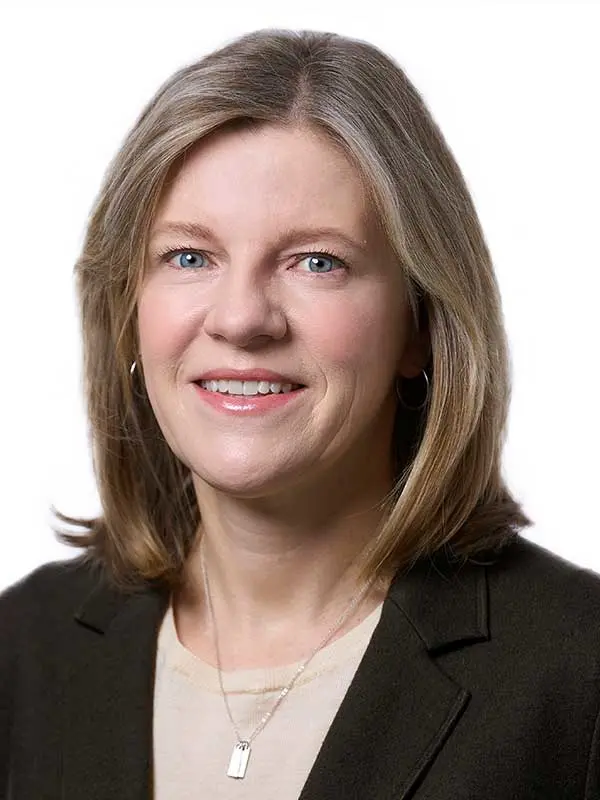
Barbara Deli, MD
Residency Program Director for Mount Sinai West, and Assistant Professor of Obstetrics, Gynecology and Reproductive Science
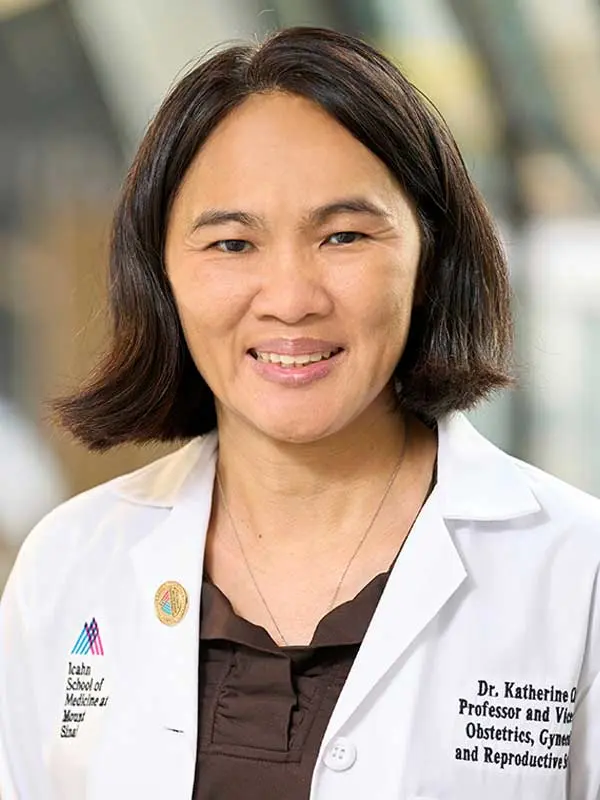
Katherine Chen, MD
Vice Chair of OB/GYN Education, and Professor of Obstetrics, Gynecology and Reproductive Science, and Medical Education