Pregnant patient Anjuli was 23 weeks into her pregnancy when a routine obstetrics visit turned into an emergency. Anjuli was diagnosed with severe preeclampsia, which ultimately led to the loss of her baby. In the months that followed, she and her wife focused on healing. When they were ready to try again, they knew where to turn for guidance: Mount Sinai’s Pregnancy Loss Support Program and the Mount Sinai–Rainbow Clinic (also known as the Pregnancy After Loss Clinic). After receiving preconception counseling and comprehensive support from the team, Anjuli delivered a healthy baby girl “at 39 weeks plus one day,” she says, expressing profound gratitude.
The Mount Sinai–Rainbow Clinic opened in 2022 as the first dedicated center in the United States providing specialized care to patients who experienced a stillbirth, miscarriages, or a neonatal loss. Now the model is spreading across the country, helping more women achieve a successful pregnancy after loss, says Joanne Stone, MD, MS, Chair of the Raquel and Jaime Gilinski Department of Obstetrics, Gynecology and Reproductive Science for the Icahn School of Medicine at Mount Sinai, and Co-Director of the Mount Sinai–Rainbow Clinic.
With colleagues Robert M. Silver, MD, at the University of Utah Health, and Uma Reddy, MD, at the Yale School of Medicine, Dr. Stone launched the U.S. Pregnancy After Loss (USPAL) Network in 2025 to establish guidelines and provide specialized training to expand the program’s reach. “Our goal is to have a Rainbow Clinic in every state,” Dr. Stone says. “We want women across the United States to access the same emotional support and advanced medical attention we offer our patients at the Mount Sinai–Rainbow Clinic.”
The Rainbow Clinic is based on a model established in the United Kingdom in 2013 by Alexander Heazell, MBChB (Hons), PhD, MRCOG, an internationally recognized leader in stillbirth research. While the program required some adaptations for the U.S. health care system, it maintains its original focus on providing compassionate, medically advanced care. Each care plan is customized to the patients’ needs and includes access to a range of services, including mental health support, nutritional guidance, ultrasounds, and enhanced monitoring and fetal testing. “Accommodating patients’ anxiety and emotional needs is part of what we do. But we also explore every possible rationale for their previous loss and do everything we can to mitigate risk in future pregnancies,” Dr. Stone says.
“It is so emotionally rewarding to see these patients holding a healthy baby after caring for them through the anxieties and medical complexities of pregnancy after loss.”
Joanne Stone, MD, MS
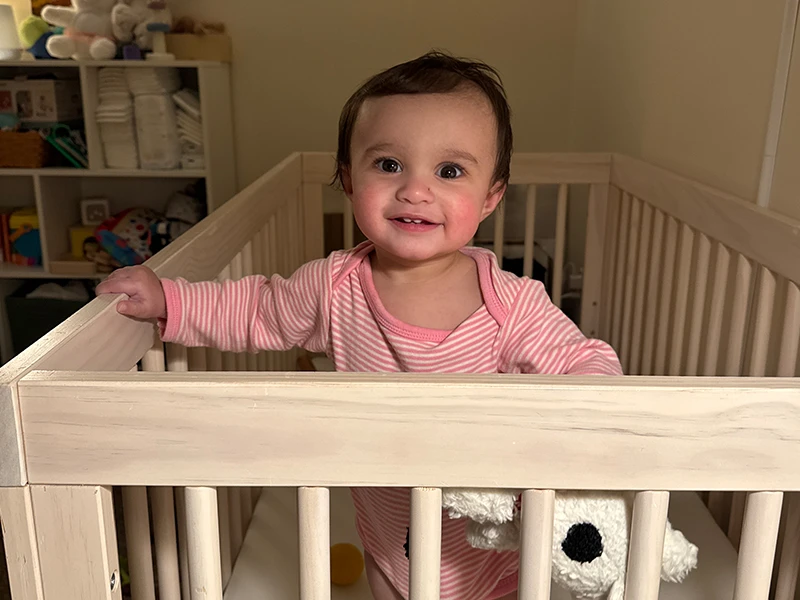
Anjuli delivered a healthy baby girl after receiving preconception counseling and comprehensive support from the Mount Sinai-Rainbow Clinic team.
At the Mount Sinai–Rainbow Clinic and other USPAL Network locations, all staff members undergo specialized training to prepare them to provide highly sensitive care. Training is required for anyone who interacts with patients in the program, including physicians, nurses, medical assistants, sonographers, and scheduling staff. The training programs were developed in close consultation with the network’s parent leads—patients who experienced pregnancy loss and received care from the Rainbow Clinic. “There is so much we learn by collaborating with people who have this lived experience,” Dr. Stone says.
Several new Rainbow Clinics will open in the United States in coming months, with more expected to follow, says Dr. Stone. In addition to providing standardized procedures, members in the USPAL Network will share data, helping advance clinical research on stillbirth and improve outcomes for patients with high-risk pregnancies.
Meanwhile, the Mount Sinai–Rainbow Clinic continues to evolve. “It started with me seeing patients one afternoon a week. Now we have a team of maternal-fetal medicine specialists trained in caring for rainbow patients,” Dr. Stone says. To oversee the growing effort, the program has a Co-Director, Noël Strong, MD, who is a board certified maternal-fetal medicine specialist and Assistant Professor of Obstetrics, Gynecology and Reproductive Science at the Icahn School of Medicine.
The network of families who have welcomed babies after receiving care in the Rainbow Clinic has also grown. Some of those grateful patients have launched an active peer support group to support others finding their way through pregnancy after a loss, closely collaborating with the clinic’s social worker.
The Rainbow Clinic also partners with other programs at the Mount Sinai Health System. The team plans to work with the new Carolyn Rowan Center for Women's Health and Wellness, which will offer integrative health care services for women at all life stages. “Patients with very early preterm delivery with neonatal loss are at increased risk for cardiometabolic diseases later in life. By partnering with the Rowan Center, we can offer a postpartum pathway for care that connects them with continued services for years to come,” Dr. Stone says.
The Mount Sinai–Rainbow Clinic also partners with the Care Fund established by the Division of Complex Family Planning at Mount Sinai, which helps patients from restricted states access a termination, usually because of a fetal anomaly. “Working together, we can further support patients making difficult choices about their pregnancies, often far from their homes and support networks,” Dr. Stone says.
As more Rainbow Clinics open their doors, the importance of its mission is gaining attention. Dr. Stone and the clinic were featured in a ProPublica documentary, bringing more awareness to stillbirth and the providers who are working to make pregnancy safer.
“It is so emotionally rewarding to see these patients holding a live, healthy baby after caring for them through the anxieties and medical complexities of pregnancy after loss,” Dr. Stone says. “I’m thrilled that we can expand our reach to help more families through the USPAL Network and Rainbow Clinics across the country.”
For patients like Anjuli and many families like hers, the rewards are immeasurable. “We feel incredibly lucky and supported,” she says. “We’re grateful for the exceptional, human-centered care we received from our doctors and everyone who made it possible for us to try again and have a healthy pregnancy.”
Featured
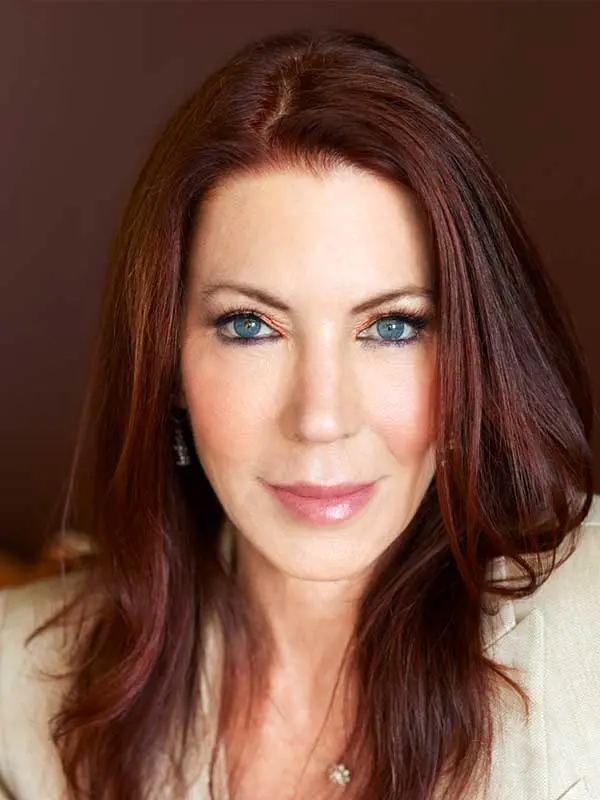
Joanne L. Stone, MD, MS
Chair and Professor of the Raquel and Jaime Gilinski Department of Obstetrics, Gynecology and Reproductive Science
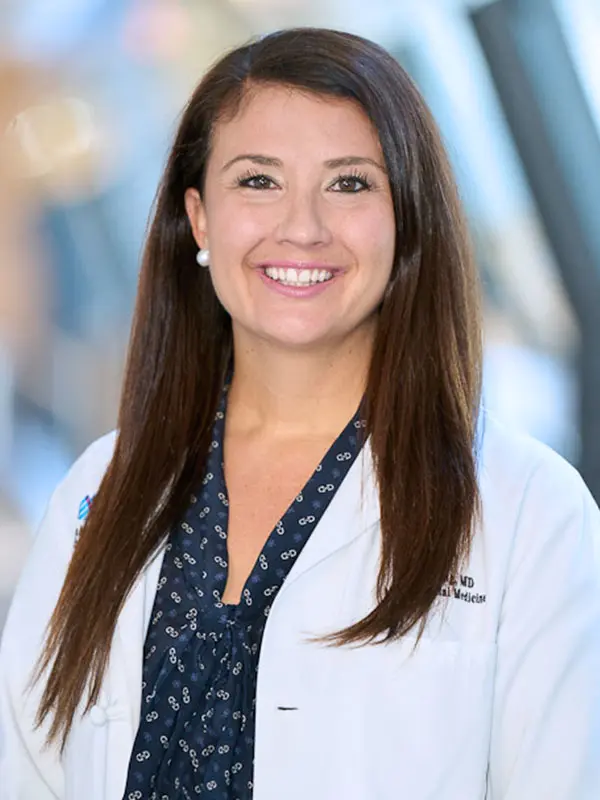
Noël Strong, MD
Assistant Professor of Obstetrics, Gynecology and Reproductive Science