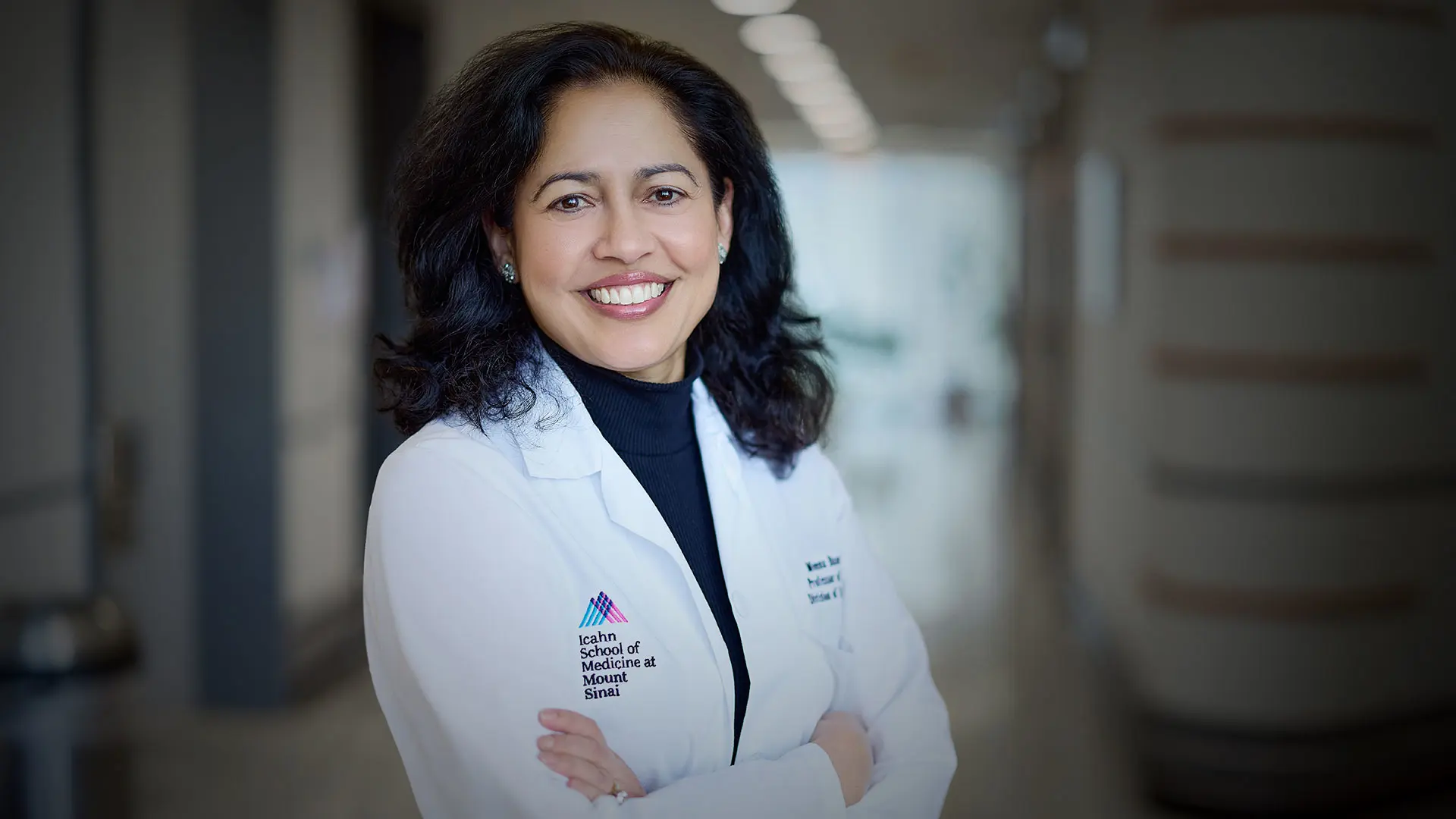
Our Specialty Report this year demonstrates the breadth and depth of the work going on at Mount Sinai Health System’s Division of Liver Diseases.
The lead article profiles our REACH Program, which offers patients with alcohol addiction and alcohol-associated liver disease a range of multispecialty wraparound services, including detox, personalized and group therapy, endocrinology, surgery, and transplant hepatology. This comprehensive center is one of only a few in the country and a leader in the New York metropolitan region.
As a national leader in metabolic dysfunction-associated steatohepatitis (MASH) and its precursor condition, metabolic dysfunction-associated steatotic liver disease (MASLD), we are leveraging our trove of data on these conditions to find new ways to treat them, help identify patients and stratify their risk for significant disease, and work to increase public awareness through local and national outreach. A separate program offers medically tailored meals to people with MASLD and MASH, knowing that nutritional improvements can help stop or even reverse liver fibrosis in these patients.
Our Institute for Liver Research, under the leadership of Scott L. Friedman, MD, has funded its first two pilot projects. One focuses on genomics and genetic sequencing of patients to determine how many and which abnormalities are linked to liver disease, while the other proposes to develop a lipid nanoparticle platform for hepatic stellate cell-specific drug delivery. We are eagerly awaiting the results from both these projects.
Researchers in the Division are taking a new approach to understanding how liver cells regenerate themselves. Rather than focusing on the mechanism in healthy livers, they are seeking to better understand how liver disease disrupts this process.
Finally, we profile Mount Sinai’s Transplant Hepatology Fellowship, among the largest of its kind in the country and the first in the Northeast to be approved by the ACGME. The program offers an extremely robust, hands-on clinical experience with gradually increasing autonomy alongside an array of senior faculty members. The goal is to create graduates who are ready to enter practice in major transplantation programs.
I hope you find these articles informative and useful. Please feel free to contact any of the faculty members profiled if you have questions about their work or would like to refer a patient. We would also be grateful for your consideration in the upcoming voting for the U.S. News & World Report rankings for Gastroenterology/GI Surgery.
Featured
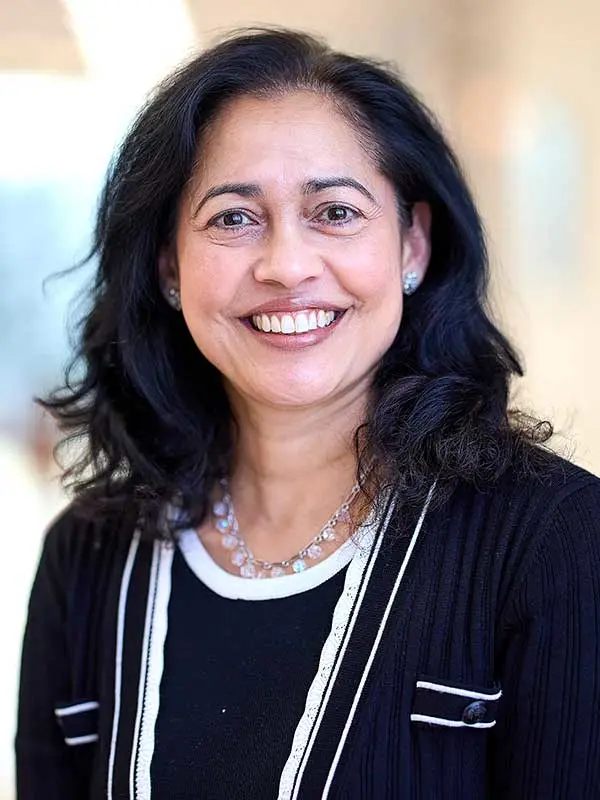
Meena B. Bansal, MD
Director, MASLD/MASH Center of Excellence; Chief, Division of Liver Diseases