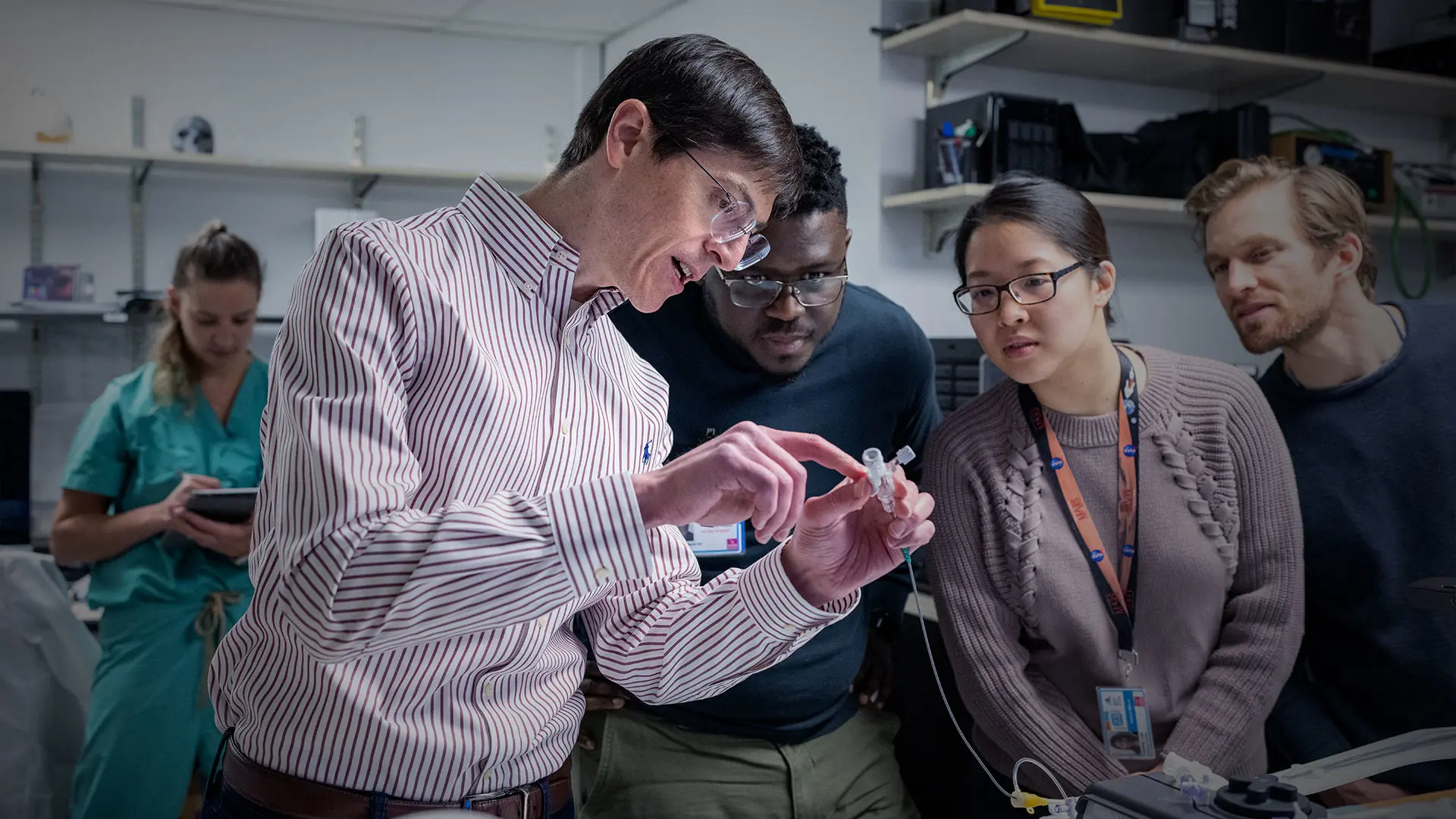
Mount Sinai: A Learning Health System
The future of health care hinges on our ability to both harness and personalize the power of data. In a time of unprecedented medical complexity and rapidly expanding knowledge, a continuous cycle of learning and improvement is essential. Within this context, learning health systems represent a new era of health care, transforming every patient interaction into an opportunity to refine and optimize care that leads to ever-improving outcomes and efficiency, along with equitable care for all.
Our goal at Mount Sinai is to become the world’s first true learning health system by continuously collecting and analyzing clinical, genomic, and other patient-generated data to create actionable knowledge that is rapidly and safely fed back into care. To date, fragmented data, privacy barriers, limited integration of multimodal and real-time data, and variable incentives have prevented many institutions from fully realizing these ideals. But at Mount Sinai, we are positioned to overcome these limitations. By leveraging our unparalleled access to diverse patient data, leading-edge AI and biomedical engineering capabilities, and deeply collaborative research environment, we can deliver proactive, predictive, and personalized care at scale.
A crucial element of operating as a learning health system is an ethos of continuous improvement and innovation, grounded in humility, curiosity, and a willingness to test our theories and actions. One place where this plays out is in clinical trials. While invaluable and critical to our vision, traditional clinical trials take months or even years to yield results. In contrast, pragmatic, rapid-cycle methods enable us to make nimble adjustments in near real time, accelerating the pace at which novel discoveries are validated, integrated, and scaled in clinical practice. This rigorous, data-driven process is instrumental in confirming efficacy, pinpointing areas for refinement, and ensuring the highest standards of patient safety.
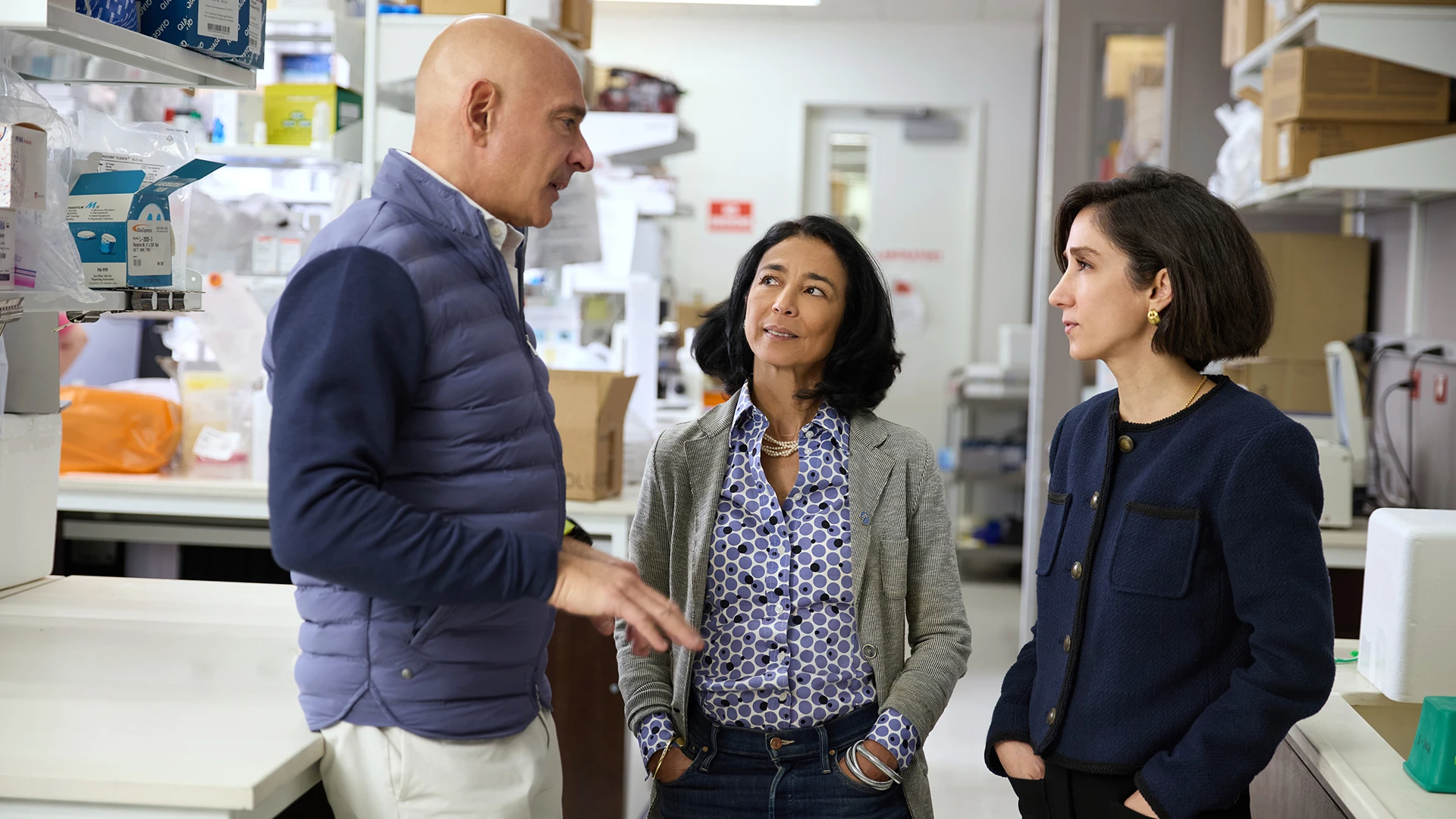
In 2025, investigators at the Icahn School of Medicine were named semifinalists—and one of the Top 40 Milestone Award winners—in the prestigious XPRIZE Healthspan, a $101 million global competition dedicated to transforming how we age. From left: Zahi Fayad, PhD, Miriam Merad, MD, PhD, and Fanny Elahi, MD, PhD.
Another area where these values come to bear is in advancing the science of aging—understanding how our organs age and how inflammation and aging of the immune system (“inflammaging”) can lead to immune dysfunction and disease. What we find will guide us in extending health span: health and well-being from the earliest stages of life in utero through advanced age. As the aged population grows in the United States, Mount Sinai seeks to ensure that all of someone’s years can be vibrant, fulfilling, and healthful, empowering individuals to feel more alive, to experience life’s many joys, and to turn aspirations into realities, for as long as humanly possible. In turning our attention to health span, our purpose is not only to prevent disease but to allow people to age optimally by uncovering physiological interactions across biological systems, developing next-generation therapeutics, tailoring personalized lifestyle interventions, and leveraging new technologies to model aging and test interventions. We are proud that Mount Sinai is a semifinalist in the global XPRIZE Healthspan competition—recognition of our leadership’s ability to reduce chronic inflammation as a strategy to improve health span.
With this unified vision—of a living, learning health system powered by collaborative science and rigorous, pragmatic innovation—we continue to grow our efforts spanning research, care delivery, and patient engagement and to reinforce our leadership in translational medicine.
A Milestone Year for the Mount Sinai Tisch Cancer Center
In 2025, the Mount Sinai Tisch Cancer Center was awarded Comprehensive status from the NIH’s National Cancer Institute (NCI), a recognition reserved for the top one percent of cancer centers nationally. This elevation in status—achieved under the leadership of Ramon E. Parsons, MD, PhD, Director of The Tisch Cancer Institute and Dean for Cancer Research at the Icahn School of Medicine at Mount Sinai—affirms the breadth and depth of the Mount Sinai Tisch Cancer Center’s research, clinical excellence, and commitment to eliminating health disparities in cancer. These achievements represent the remarkable trajectory of Mount Sinai’s work in cancer, including The Mount Sinai Hospital’s ranking as No. 6 nationally for cancer care by U.S. News & World Report®, the highest ranking of any general hospital in New York State; Mount Sinai’s position as No. 11 in the country for NIH research funding among medical schools; and construction of the new Tisch Cancer Hospital, now underway.


Renderings of the Tisch Cancer Hospital
Renewal and Reinvigoration of Clinical Research Platforms
We have made significant, tangible progress in reducing the time it takes to activate a contract and receive approval for an Institutional Review Board protocol—with all the necessary ancillary offices onboard. We are presently instituting the use of artificial intelligence to help investigators construct clinical protocols and consent forms and recruit study subjects. These achievements were made under the outstanding leadership of Miriam Merad, MD, PhD, Director of the Marc and Jennifer Lipschultz Precision Immunology Institute; Scott Friedman, MD, Director of the Institute for Liver Research; Rosemarie Gagliardi, EdD, MPH, Senior Associate Dean for Collaborative Research and Partnerships; and Rachel Posner, MPA, Senior Associate Dean for Research Administration, along with a new faculty oversight committee composed of leading clinical trial leaders from across Mount Sinai.
In the spirit of continuous improvement, we know we have more to do to accelerate innovation and continue leading in practice-changing investigation. Read about our year of progress and work planned for 2026 in this report.
Commercialization of Our Discoveries
Some universities and medical schools are more successful than others in advancing therapeutic assets that drive breakthroughs in clinical practice. The most successful academic centers share many metrics of performance: high levels of federal funding per investigator and high numbers of spin-off companies per year, of invention disclosures filed each year by investigators, and of patents issued each year to the academic institution. Mount Sinai excels in each of these areas.
This excellence speaks not only to our capabilities in traditional approaches, such as novel small molecules, but importantly, to the inventiveness and skill with which we design the next generations of therapeutics—for example, gene and macrophage-based cell therapies, myeloid progenitor and human-induced pluripotent stem cell reprogramming, and robotic, remote, and even autonomous surgical techniques.
With Mount Sinai Innovation Partners (MSIP), our in-house commercialization hub, we are one of only a handful of academic medical institutions to have an entire entity devoted to cultivating intellectual property and connecting our investigators with industry partners, investors, and others. Our impact includes hundreds of patents and the successful spin-off of countless thriving ventures. For example, Sema4, a Mount Sinai genomics spin-off that was acquired and merged with GeneDx, is now a leading genomic medicine and diagnostics company. And in late 2025, Monogram Technologies (founded off innovative devices developed by Mount Sinai’s orthopedic surgeons) was acquired by Zimmer Biomet, yielding significant income to help sustain Mount Sinai’s research enterprise.
Office for Professional Engagement and Development
The Office for Professional Engagement and Development (OPED) supports the professional success and well-being of faculty, students, residents, and clinical and postdoctoral fellows. Located within the Office of the Dean at the Icahn School of Medicine, OPED aligns engagement, development, and workplace experience to foster well-being, belonging, and career advancement across the Mount Sinai community, a unified approach reflecting our commitment to creating an environment where every individual flourishes both professionally and personally.
OPED is led by Interim Director Lauren Peccoralo, MD, MPH, Interim Dean for Professional Engagement and Development, Senior Associate Dean for Faculty Well-Being and Development, and Professor of Medicine (General Internal Medicine), and Medical Education, Icahn School of Medicine, and works closely with the Department of Human Resources and its Division of Talent Development and Learning; Leni and Peter W. May Department of Medical Education at Mount Sinai; Department of Graduate Education; Department of Graduate Medical Education; Mount Sinai Phillips School of Nursing; Center for Stress, Resilience and Personal Growth; and others.
In Our Students’ Own Words
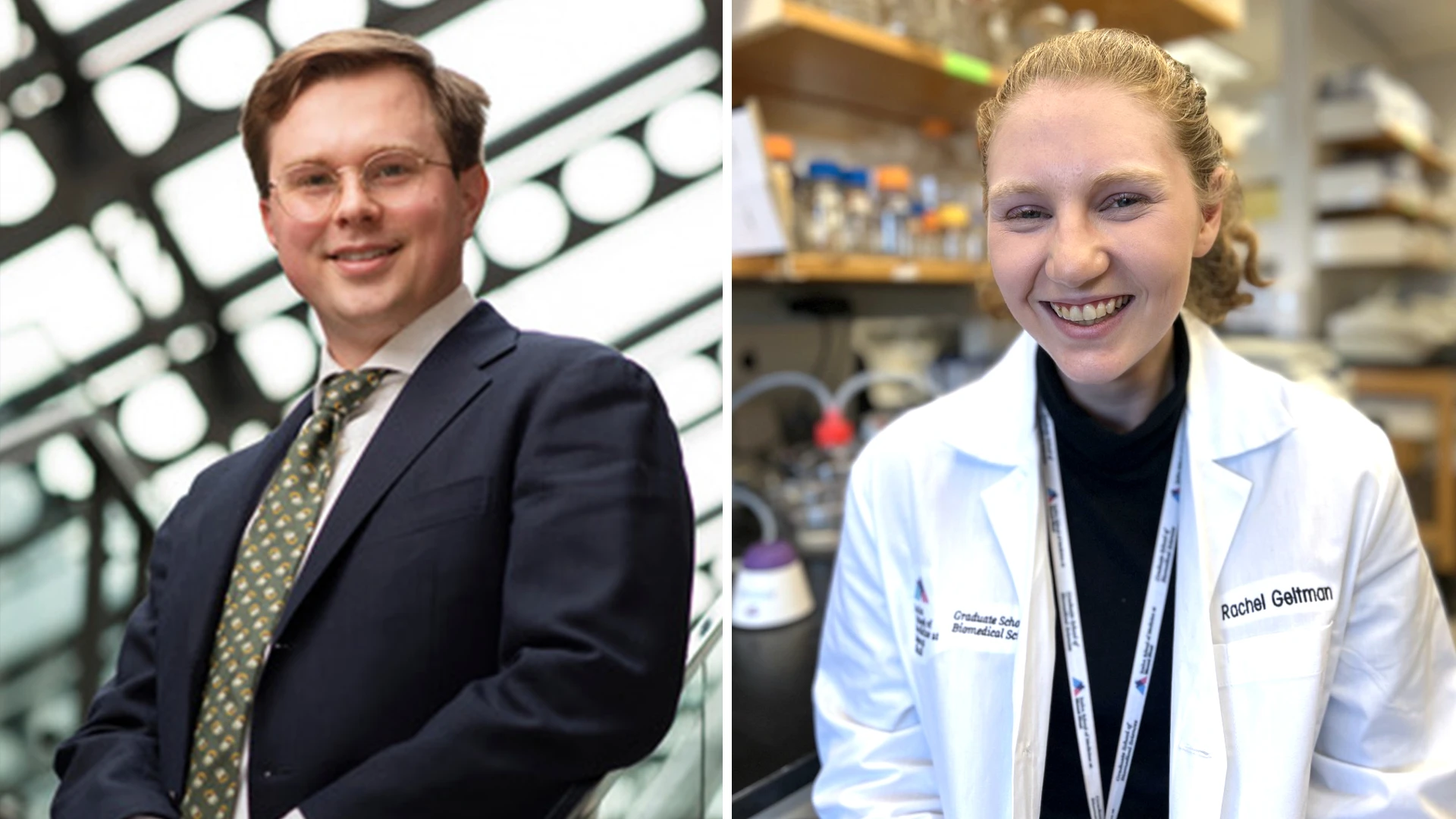
Jake Herb and Rachel Geltman
What experience in 2025 most shaped your growth as a scientist or physician?
“In 2025, I presented my research at a national meeting on liver disease. Standing at the podium, I felt energized and connected to a global research community. Afterward, I met with audience members one-on-one to discuss my work in greater depth. These conversations helped me see how my PhD research fits within the broader field of liver disease and further solidified my commitment to a physician-scientist career.”
–Jake Herb
MD-PhD Student, Fourth Year
“This year, I observed meetings between researchers, pediatric intensive care unit attendings, allergists/immunologists, and hepatologists coordinating care for a hospitalized child with a rare immune disorder. Findings from a study my PhD lab published in 2025 directly informed the clinical team’s next steps. Through this process, I was struck by how dual-degree training, combined with a shared medical and research campus, can facilitate cross talk between researchers and clinicians, genuinely improving patient outcomes in real time.”
–Rachel Geltman
MD-PhD Student, Third Year
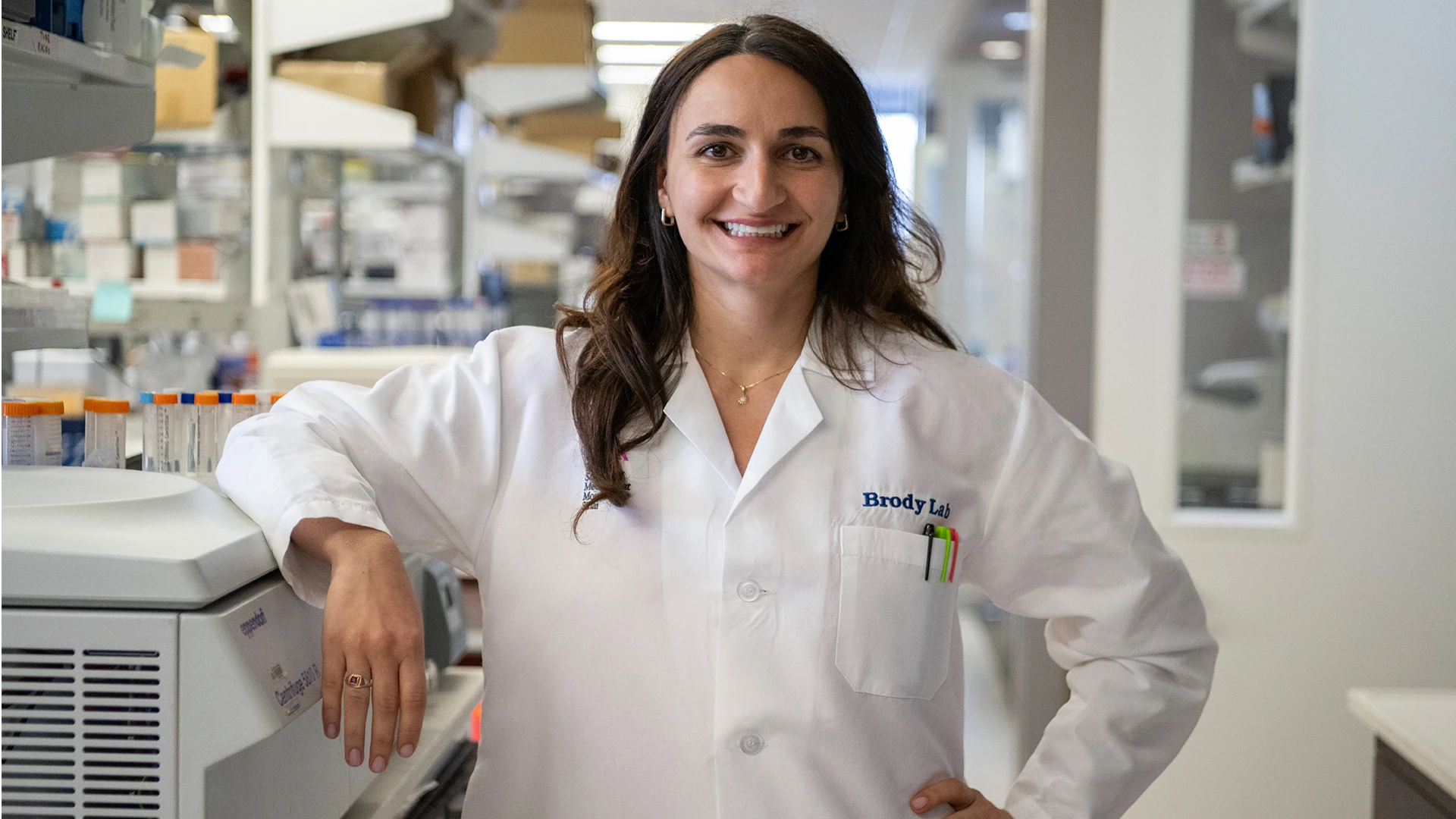
Gvantsa Pantsulaia
"I’ve built a strong research foundation, published multiple papers, and received recognition at national and institutional levels. But more than that, I found a sense of belonging. I’ve made lasting friendships, mentored other students, led projects, and been a part of a collaborative community that has shaped who I am and who I want to be.”
–Gvantsa Pantsulaia, MSBS
Class of 2025

The Sinai Runners Club goes for an evening run. Front, from left: Rita Goldstein, PhD; Kristen Dams-O’Connor, PhD; Martha MacDonald, MD Student; Joy Jiang, MD/PhD Student. Back, from left: Maggie Boros, Clinical Research Coordinator; Yuefeng Huang, Senior Postdoc Fellow; Sarah King, Postdoc Fellow; Rachel (Kathryn) Drury, Clinical Research Coordinator; and Ben Fox, MS Graduate Student