Research Preeminence
We formed a new Department of Stem Cell Biology and Regenerative Medicine. Combining what were formerly the Institute for Regenerative Medicine and the Department of Cell, Developmental, and Regenerative Biology, the new Department and its distinguished faculty and trainees focus on the development, patterning, and regeneration of cells and organs and on leveraging this knowledge to design novel cell-based therapeutics. It is chaired by Sarah Millar, PhD, Dean for Academic and Scientific Affairs, Director of the Black Family Stem Cell Institute, Lillian and Henry M. Stratton Professor of Gene and Cell Medicine, Icahn School of Medicine at Mount Sinai.
We also formed two new institutes:
The Brain-Body Research Institute, which elevates the former Center of the same name. The Institute focuses on understanding bidirectional interactions between the brain and peripheral organs and on applying that understanding to design fresh approaches to treatment. It is directed by Scott Russo, PhD, Director of the Center for Affective Neuroscience, and Professor of Neuroscience, Psychiatry, and Immunology and Immunotherapy, Icahn School of Medicine.
The Institute for Translational Medicine and Pharmacology, similarly elevating the former Center of the same name. The Institute undertakes transdisciplinary research with the goal of identifying novel actionable targets and developing new medicines. It is directed by Mone Zaidi, MD, PhD, Professor of Medicine (Endocrinology, Diabetes and Bone Disease), Pharmacological Sciences, and Geriatrics and Palliative Medicine, Icahn School of Medicine.
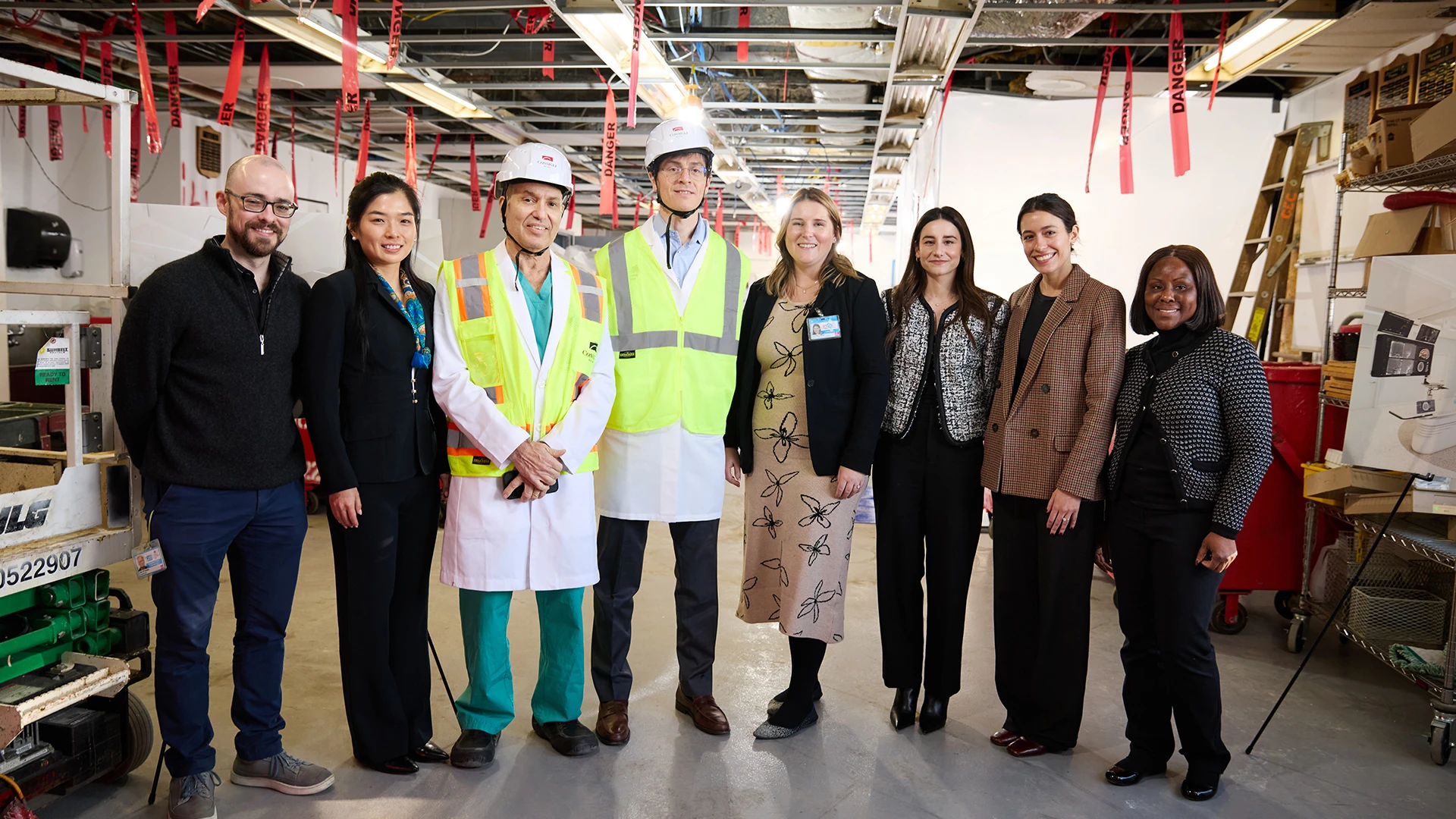
The Comprehensive Center for Surgical Innovation is scheduled to open in the summer of 2026. From left: John Durbin, Clinical Research Coordinator II, Department of Neurosurgery; Wenqui Yue, MBA, Director, Mount Sinai International; Mount Sinai BioDesign leaders Joshua B. Bederson, MD, Co-Founder and Executive Director and Benjamin I. Rapoport, MD, PhD, Scientific Director; Ashley L. Friend, MS, Executive Administrative Director; Iden Kurtaliaj, PhD, Associate Director; Isabella Morgan, Lead Biomedical Engineer; and Akua Sarkodee, Associate Director
Mount Sinai received an $11.6 million grant from New York City’s Economic Development Corporation to construct a new Comprehensive Center for Surgical Innovation, scheduled to open in the summer of 2026. The Center leverages the strengths of Mount Sinai BioDesign and its leaders, Benjamin Rapoport, MD, PhD, Assistant Professor of Neurosurgery, Icahn School of Medicine, and Joshua Bederson, MD, Leonard I. Malis, MD/Corinne and Joseph Graber Professor of Neurosurgery and Chair, Department of Neurosurgery at the Mount Sinai Health System. Dr. Rapoport serves as Mount Sinai BioDesign’s Scientific Director and Dr. Bederson serves as its Executive Director.
Mount Sinai launched a first-of-its-kind multidisciplinary initiative in cell therapies and other biological approaches across nonmalignant inflammatory diseases, deliberately breaking traditional medical silos and moving beyond organ-based frameworks. By functionally integrating multiple departments and divisions, in close collaboration with the Mount Sinai Tisch Cancer Center, this effort maximizes resources and advances shared cellular and molecular mapping of disease to accelerate mechanism-driven discovery and precise therapeutic development across immune-mediated conditions. You will hear much more about this bold effort in the coming year.
We are building a science hub for healthy aging, focused on preventing disease and on optimizing brain and body well-being. More about this effort is described in the section titled “Reflections and Plans.”
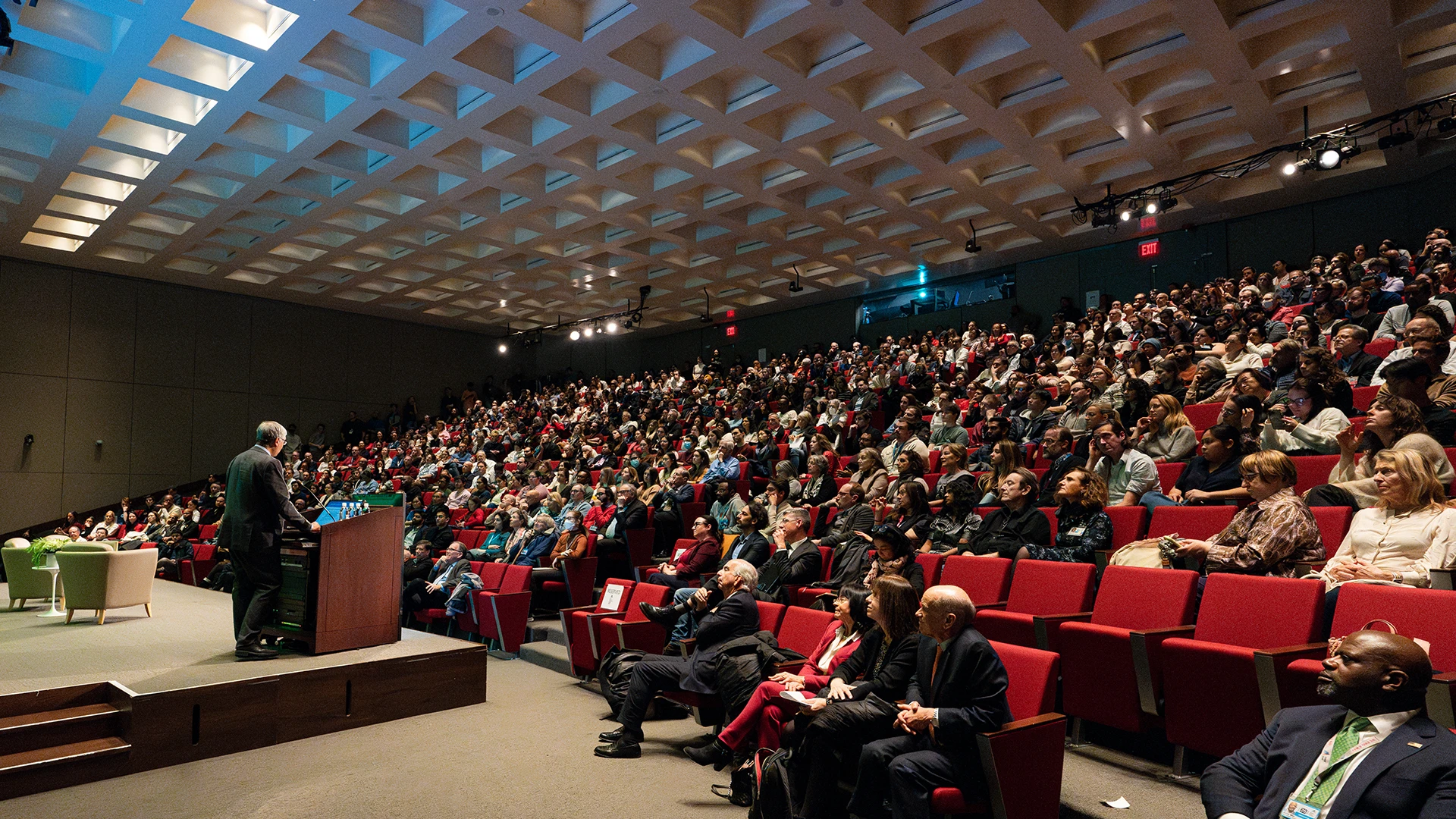
Jay Bhattacharya, MD, PhD, shares his vision for NIH and the nation’s biomedical research enterprise at the Dean's Select Seminar Series.
In the spring of 2025, we launched the Dean’s Select Seminar Series, which every month featured a research presentation by a leading member of the Mount Sinai faculty, by a panel of Mount Sinai leaders, or occasionally by an invited guest. Each presentation is followed by a reception to provide opportunities to connect with the speaker, Mount Sinai leadership, and colleagues. Musicians from the Mount Sinai family perform. Last December, we hosted Jay Bhattacharya, MD, PhD, Director, National Institutes of Health (NIH), who shared his vision for NIH and the nation’s biomedical research enterprise.
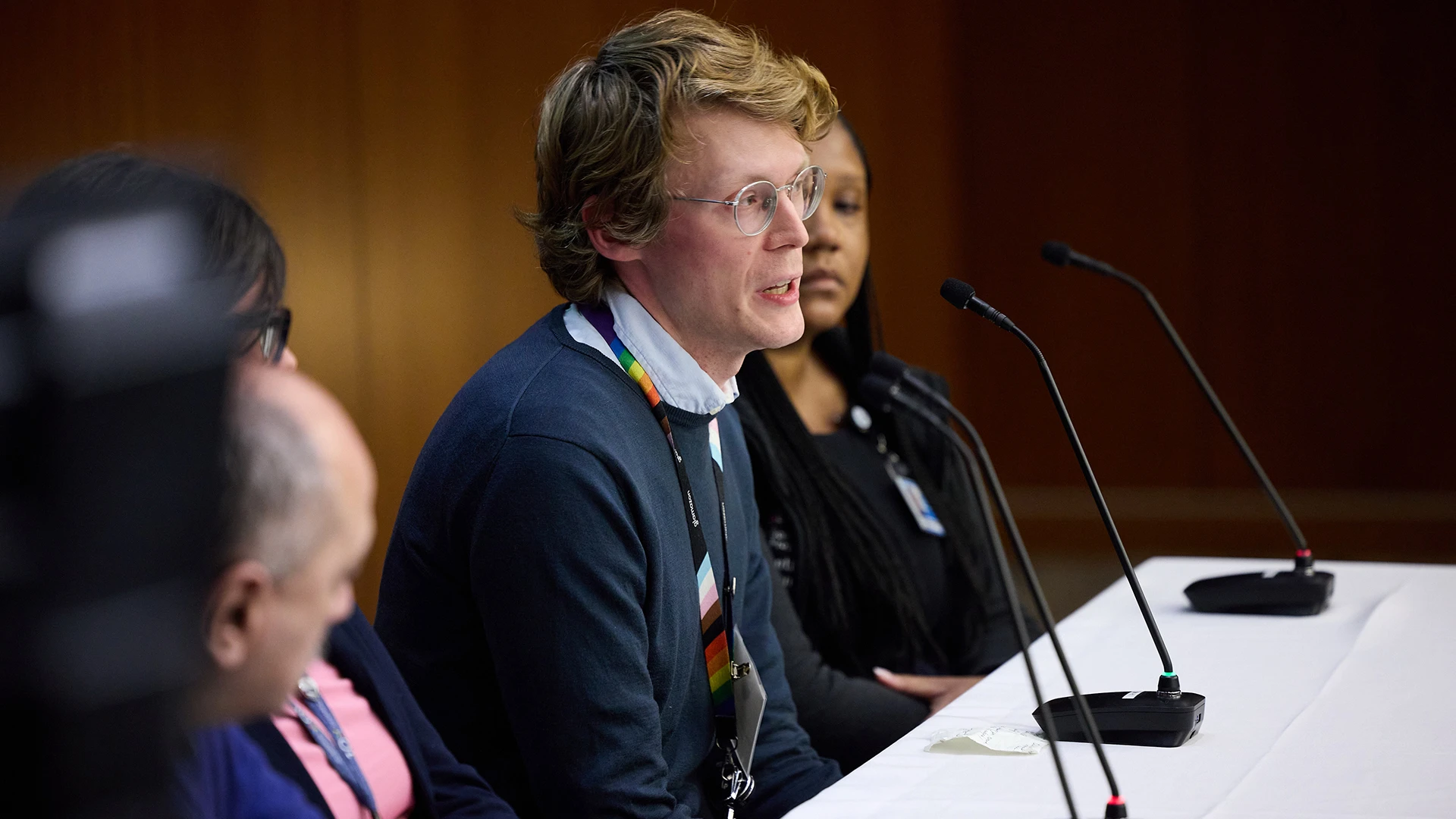
Oliver Van Oekelen, MD, PhD, speaks at the inaugural MAPS event, held in early January 2026.
The Mount Sinai Academy of Physician-Scientists (MAPS) launched in 2026. MAPS’s goal is to promote and facilitate the work and careers of physician-scientists (including MDs, MD-PhDs, and all other clinician-investigators) across the Mount Sinai Health System. This new interdisciplinary academy will strengthen the bridge between scientific innovation and clinical care across biomedicine and health care discovery, from the cellular and molecular levels to translational and clinical research to health services and community-based investigations. The inaugural MAPS event, held in early January 2026, featured a panel discussion to a standing-room audience about the meaning of a physician-scientist’s career and was followed by a reception and social gathering. MAPS is directed by Talia Swartz, MD, PhD, Director, MD-PhD Program, Senior Associate Dean for MD-PhD Education, and Professor of Medicine (Infectious Diseases), and Medical Education, Icahn School of Medicine.
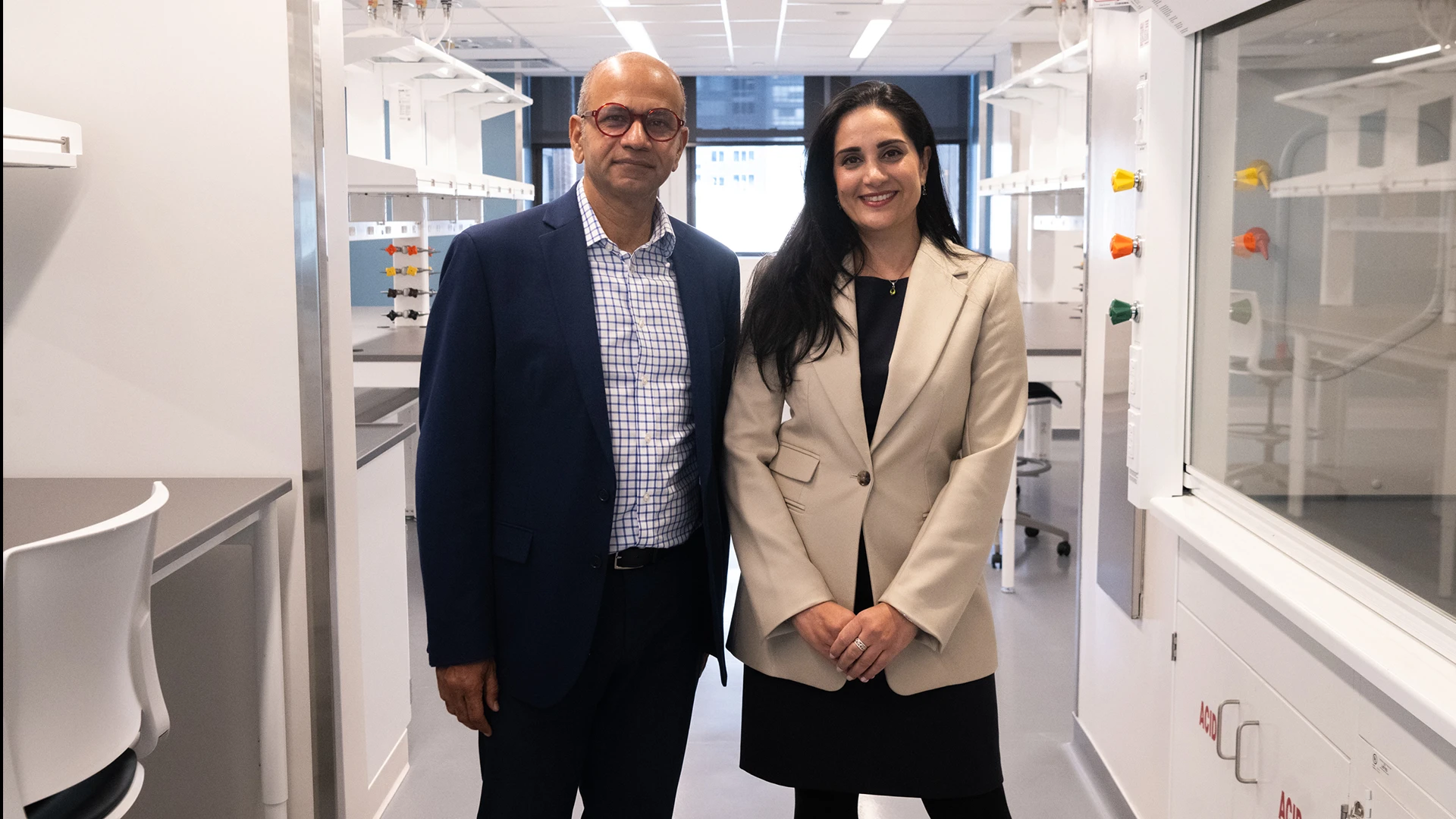
Deepak Vashishth, PhD, and Priti Balchandani, PhD, together direct the Center for Engineering and Precision Medicine
The Center for Engineering and Precision Medicine (CEPM), a collaboration between Mount Sinai and Rensselaer Polytechnic Institute (RPI) focusing on immunoengineering, neuroengineering, and regenerative and reparative medicine, is built on the premise that engineering is fundamental to understanding biomedical phenomena and developing the next generation of precision diagnostics and therapeutics. A joint PhD program in Health Sciences Engineering, in which students strive to bridge the gap between engineering and medicine, is a major initiative for CEPM, with the support of the Graduate School of Biomedical Sciences. RPI and Mount Sinai welcomed the program’s first class of PhD students in the fall of 2025 and are actively recruiting for next fall.
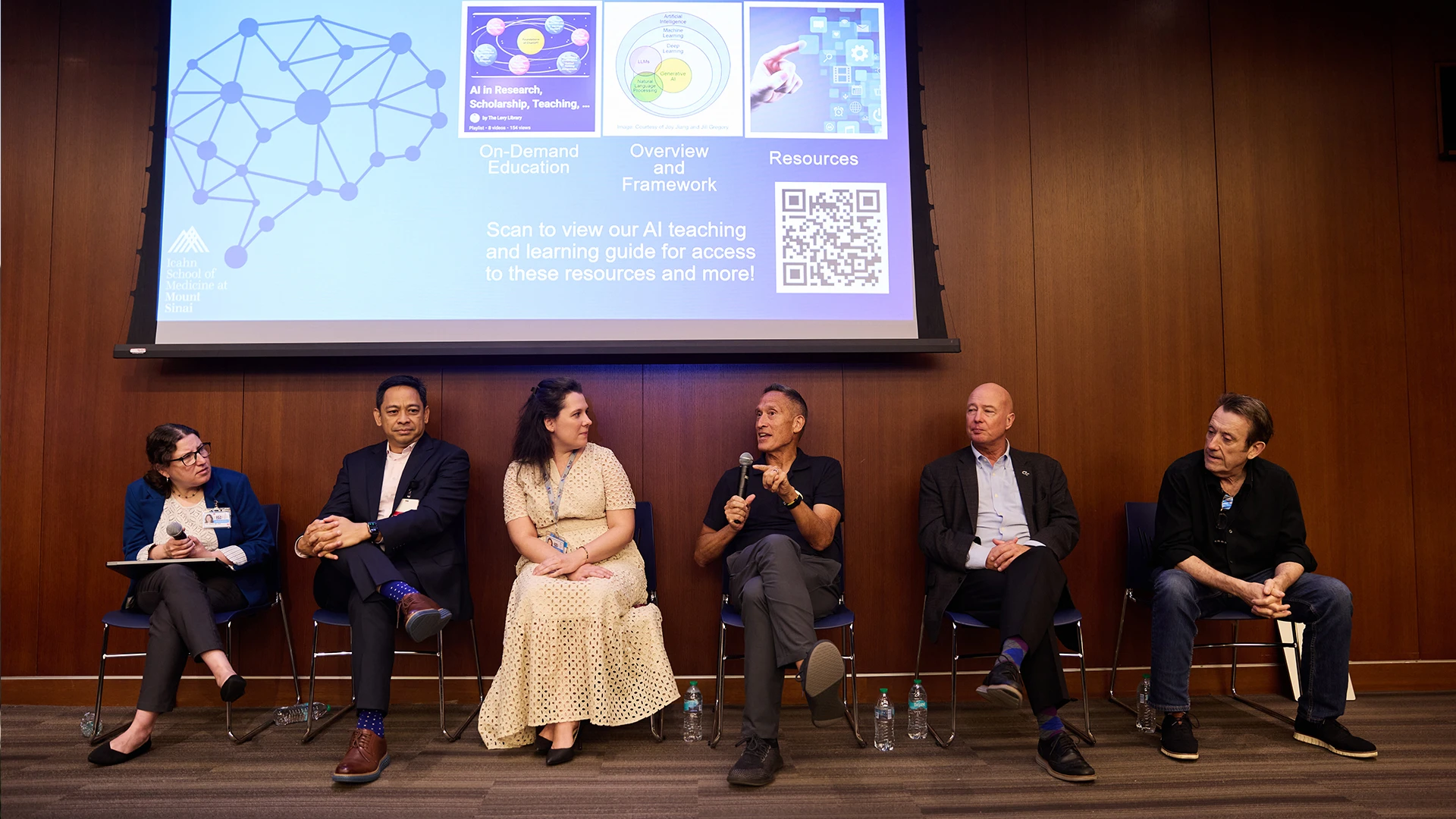
Scholar, author, and innovator José Antonio Bowen, PhD, speaks during a panel at the inaugural AI in (Bio)Medical Education: Innovation in Teaching and Learning symposium, held in July 2025 on the Icahn School of Medicine campus.
In Our Students’ Own Words
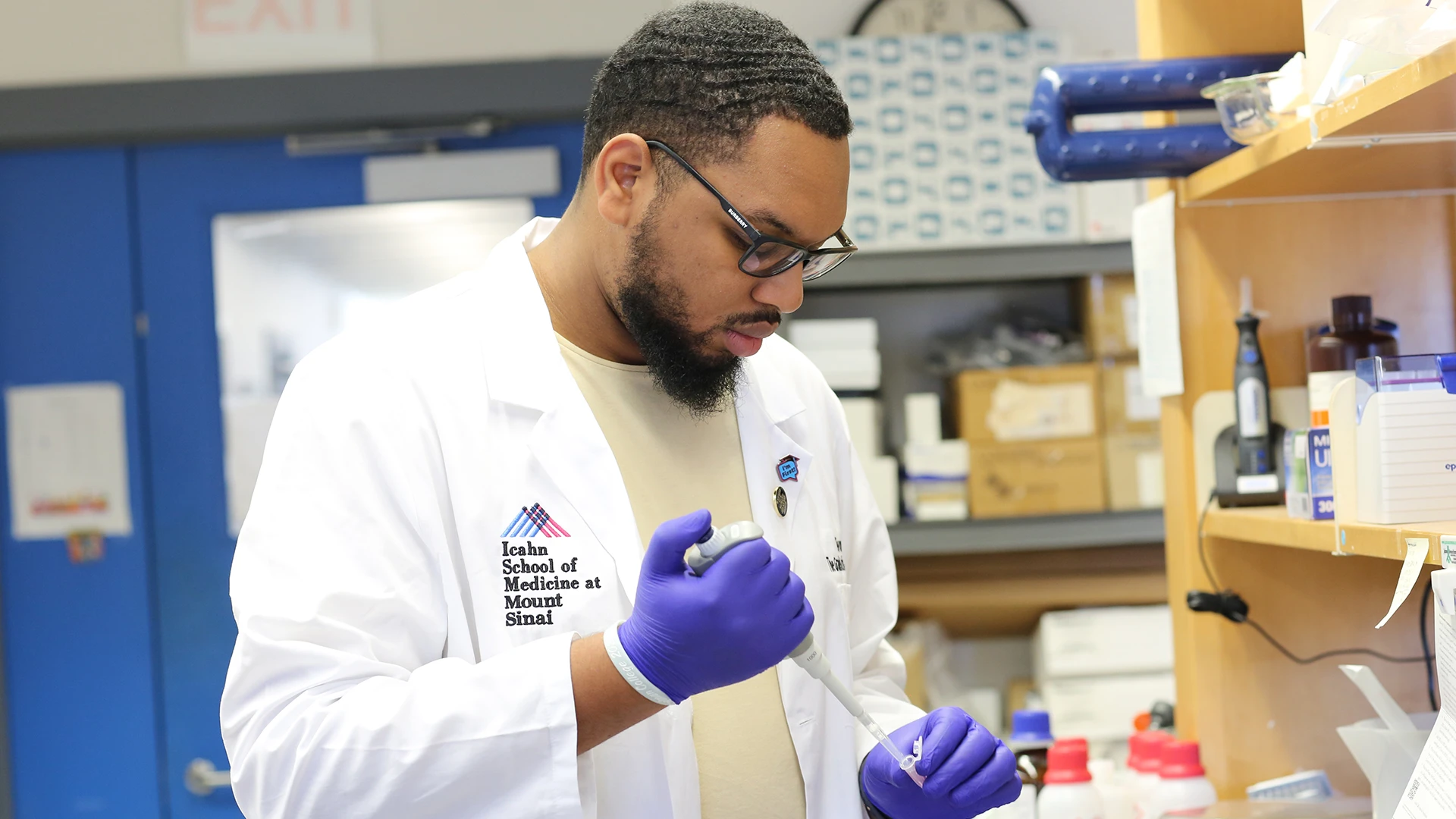
What experience in 2025 most shaped your growth as a scientist or physician?
“The experience that most shaped my growth in 2025 was presenting my research nationally while interviewing for postdoctoral positions. The rigorous mentorship and scientific training I received at Mount Sinai prepared me to communicate complex transcriptomic work with clarity and confidence. Engaging with leaders in the field strengthened my science and refined my vision for the next stage of my career.”
–Trevonn Gyles
Neuroscience PhD Student, Fifth Year

Alvira Tyagi, left, and Sasha Wood
“The White Coat ceremony in September of 2025 marked my transition from aspiring to becoming. As a first-generation medical student, seeing my family in the audience made the moment feel larger than myself. I felt the presence of generations whose sacrifices led me here, standing on their shoulders as I stepped forward. That moment made clear that this step forward also carries the weight of those who made it possible.”
–Alvira Tyagi
MD Student, First Year
“Before I began my medical school journey at Mount Sinai, I had the privilege of scrubbing into operating rooms in Saudi Arabia, Doha, and Egypt. Moving from OR to OR with new teams, languages, and constraints, I saw how culture and systems shape the same operation. Those lessons, together with my experiences at Yale and as a former professional tennis player, push me to think beyond single cases toward more equitable, sustainable care for patients and communities.”
–Sasha Wood
MD Student, First Year