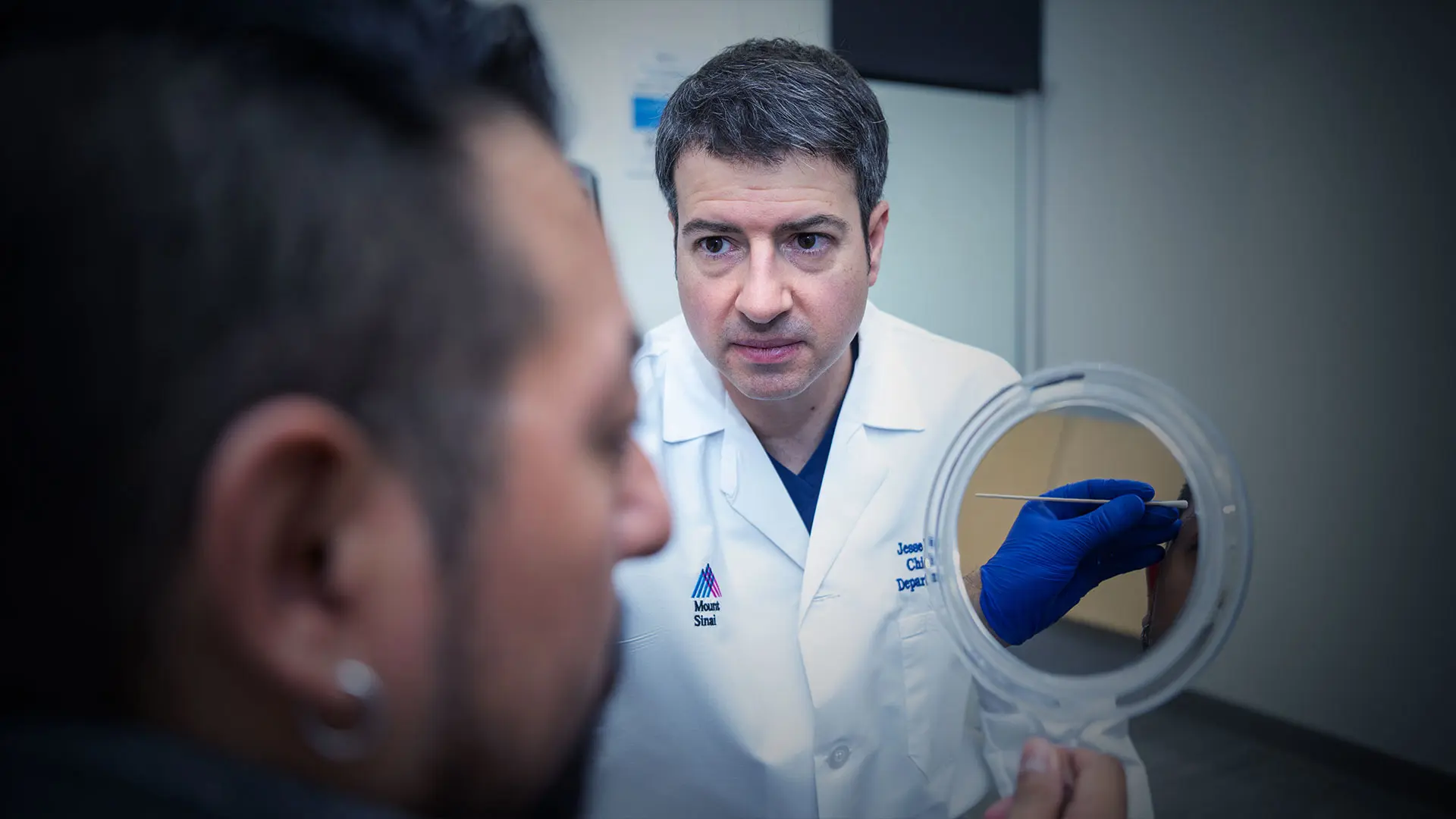
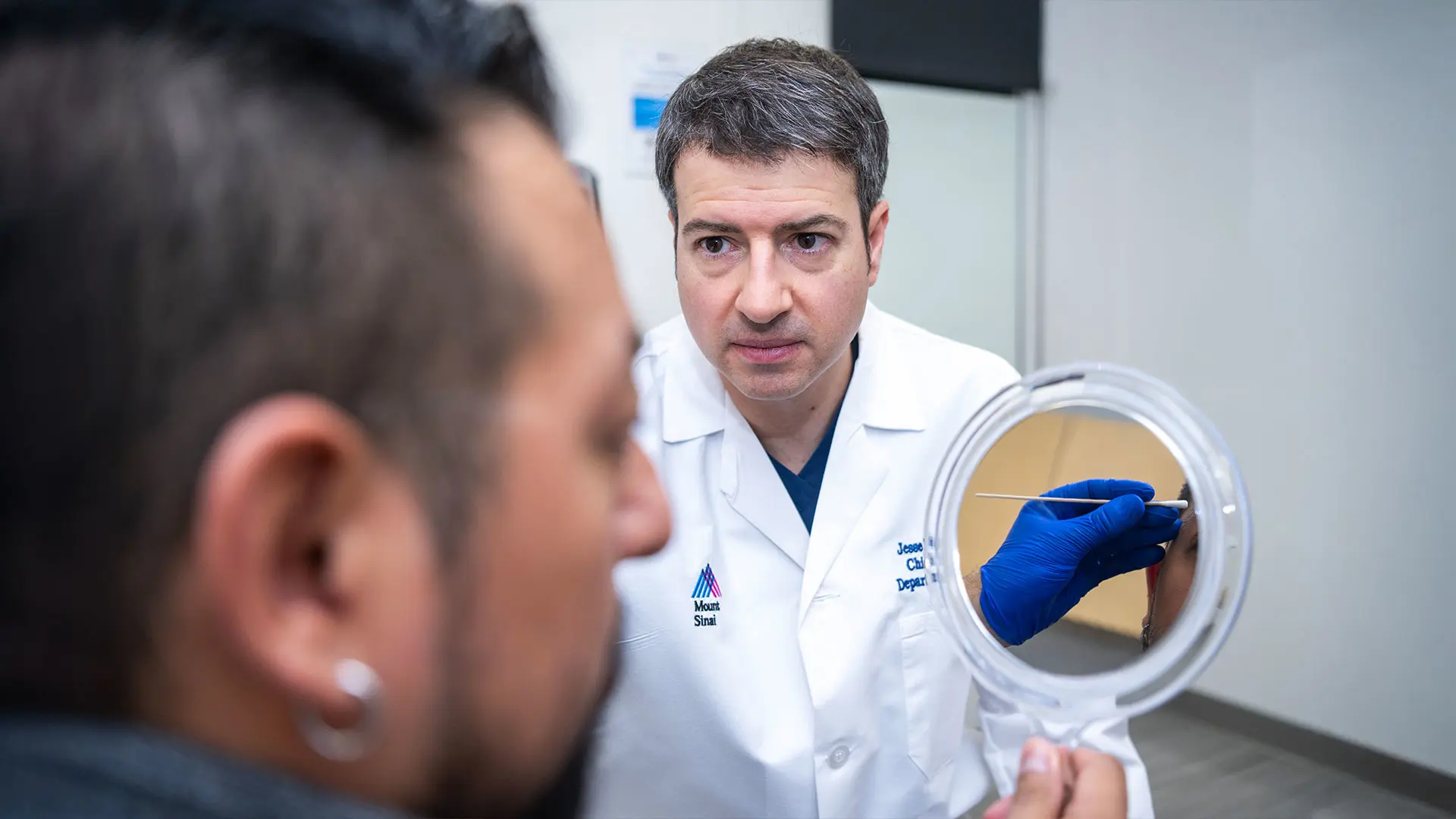
Jesse Miller Lewin, MD, FACMS, Director of the Waldman Melanoma and Skin Cancer Center, specializes in melanoma and nonmelanoma skin cancers, facial reconstructive surgery, and patient satisfaction.
Looking at the number of patients who visit the Kimberly and Eric J. Waldman Melanoma and Skin Cancer Center at Mount Sinai for diagnosis and treatment, Director Jesse Miller Lewin, MD, FACMS, has noted a steady increase in recent years.
This trend, Dr. Lewin notes, reflects a growing incidence of skin cancer nationwide, with estimates suggesting a 1.2 percent increase in new cases each year. But, he adds, that the more than 50,000 patients who visit the Center annually also reflect its reputation as a leader in disease diagnosis and treatment—a status made possible through the generosity of donors such as Kimberly and Eric J. Waldman.
“Their dedicated support, which has enabled us to make progress in this field, is a testament to their commitment to finding and treating skin cancer at curable stages,” says Dr. Lewin, Associate Professor, Vice Chair of Surgical Operations, System Chief of Division of Dermatologic and Cosmetic Surgery, and Program Director for the Micrographic Surgery and Dermatologic Oncology Fellowship at the Kimberly and Eric J. Waldman Department of Dermatology.
“We share their commitment, and we are using all the resources we have to do groundbreaking work to stay ahead of the curve,” he says.
Dr. Lewin has demonstrated that commitment in several ways. His approach to Mohs micrographic surgery involves immunohistochemistry to treat melanoma—a staining technique that optimizes tissue sparing in functionally and aesthetically vital areas, such as eyelids and lips, while contributing to high cure rates among patients with melanomas. He is also collaborating with Jefferson Health on a multicenter initiative to study a group of patients with high-risk cutaneous squamous cell carcinomas (cSCC).
“Although cSCC is likely responsible for as many deaths as melanoma, it is not in the Surveillance, Epidemiology, and End Results registry, which means we lack robust data on patient outcomes,” Dr. Lewin says. “By performing multicenter studies, we can pool high-risk patients in order to increase the collective knowledge of these aggressive tumors.”
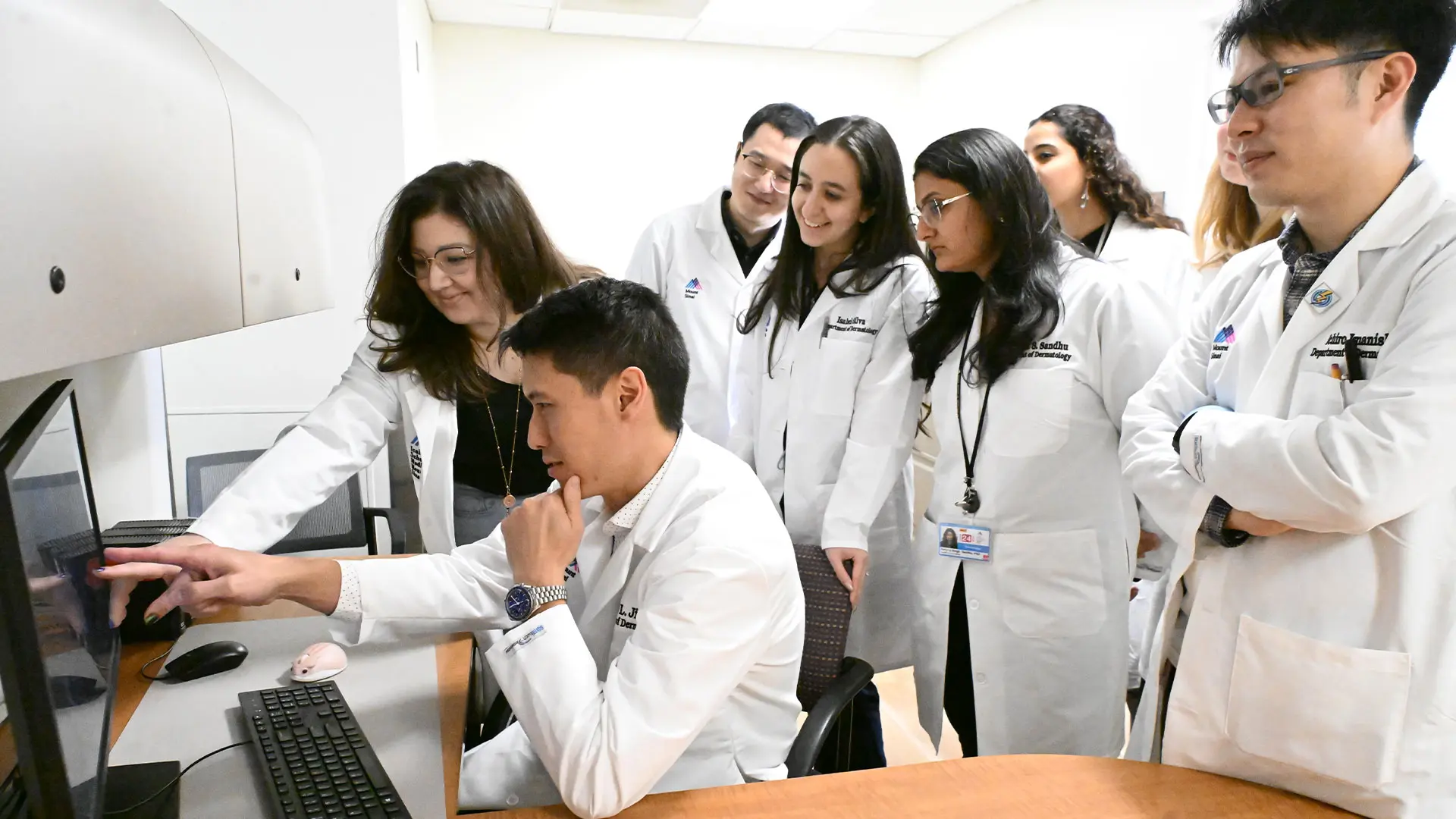
Andrew Ji, MD, and his team are studying the aggressive behavior of invasive squamous cell
Andrew L. Ji, MD, is contributing to cSCC insights through his own research, specifically the cell populations that communicate with and promote the growth of these cells. His lab found that macrophages (immune cells) and fibroblasts (cells that provide structure to tissue) play a key role in fueling the aggressive behavior of invasive cSCC cells, a discovery that could be life-changing for millions of skin cancer patients.
“Our lab is testing methods to block this communication in experimental models of cSCC, with the long-term goal of developing new therapies to treat aggressive cSCC tumors,” says Dr. Ji, Assistant Professor of Dermatology.
Equally notable, Dr. Ji is investigating skin cancer rates among Mount Sinai patients who have undergone solid organ transplantation. Dr. Lewin is a key collaborator in this undertaking, providing tumor samples from patients. Although Dr. Ji found that non-white patients are less likely to develop skin cancer post-transplant, he noted that the time frame for those who do is nearly identical to that among white patients. This, he observes, provides invaluable guidance to clinicians for skin cancer risk assessments among transplantation patients.
“We are following up on identifying other skin conditions that commonly afflict these patients to help optimize care for this vulnerable population,” Dr. Ji says.
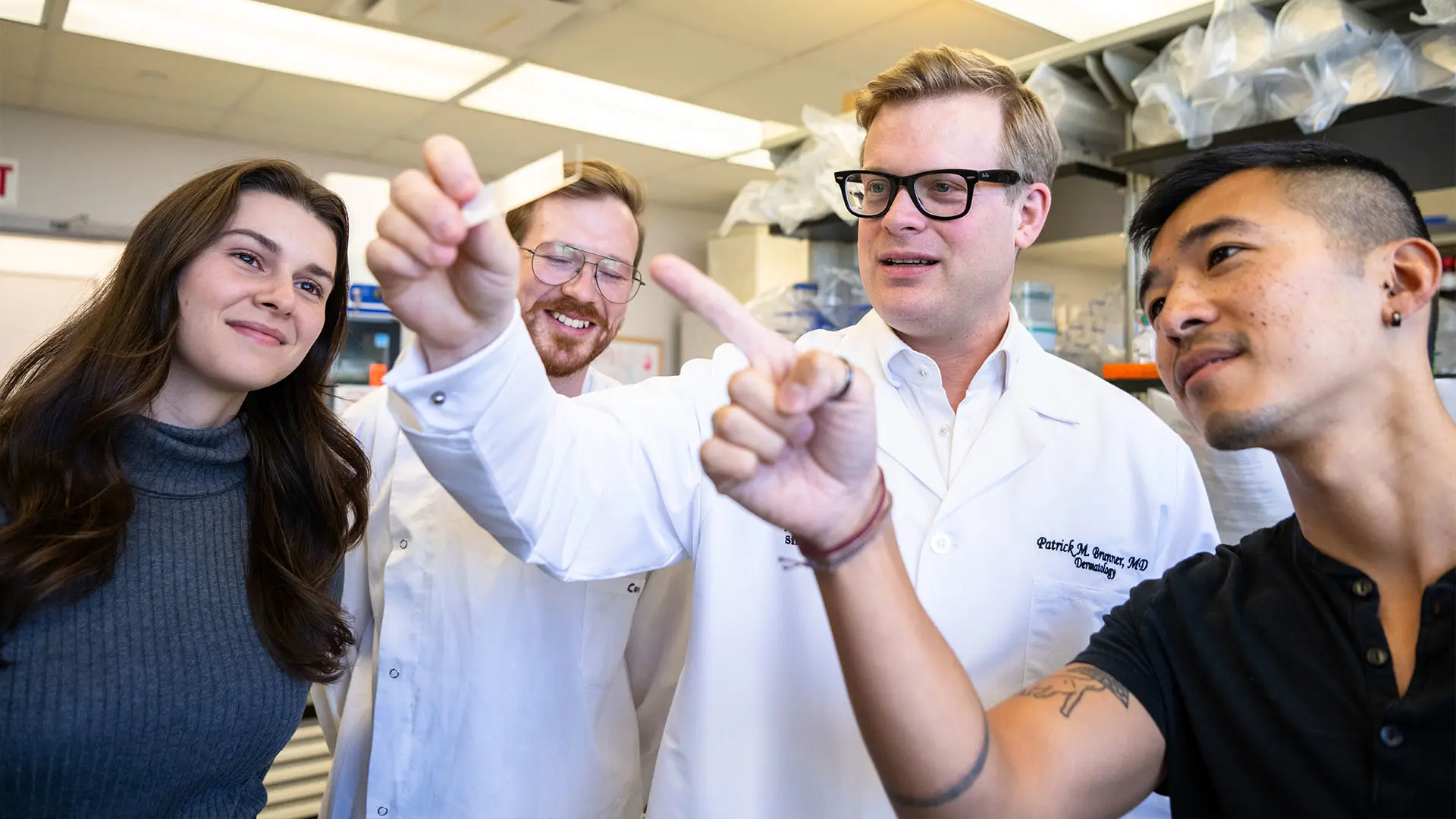
Patrick Brunner, MD, and his lab team are focused on research in cutaneous lymphomas, a diverse and complex group of rare cancers.
Patrick M. Brunner, MD, is equally interested in malignant skin conditions, specifically cutaneous lymphomas. He is currently investigating a rash that is associated with mogamulizumab, an anti-CCR4 antibody used to treat T-cell lymphomas. There is accumulating evidence that this rash is linked with more favorable cancer outcomes. Thus, Dr. Brunner is seeking to better understand this phenomenon through investigation of the skin immune systems of patients who are administered this drug.
“We found that in patients experiencing this rash, cancer cells are more silenced and anti-tumor mechanisms are upregulated,” says Dr. Brunner, Associate Professor of Dermatology, and Director of the Cutaneous Lymphoma Clinic. “These results could help to develop better and safer lymphoma treatments in the future.”
In addition to this research, Dr. Brunner is looking at why some patients are resistant to conventional treatments, in particular those with atopic dermatitis, and why some develop paradoxical inflammatory reaction as a side effect. He has received a Research Project Grant from the National Institutes of Health to explore treatment resistance and side effects among this particular cohort.
“With this grant, we want to identify the molecular underpinnings of insufficient or even deleterious responses to targeted treatment approaches to help facilitate the development of more efficacious, safer therapeutics,” he says.
Over the years, the Center has contributed significantly to the development of new skin cancer treatments, including advanced basal cell carcinoma therapies that target the hedgehog pathway. Mark G. Lebwohl, MD, says they have adopted a new therapy, sonidegib, targeting this pathway that is associated with fewer side effects.
“We are now effectively shrinking large basal cell carcinomas before Mohs micrographic surgery, thus minimizing deformities and scarring among patients,” says Dr. Lebwohl, Dean for Clinical Therapeutics at the Icahn School of Medicine at Mount Sinai, and Professor and Chair Emeritus of the Kimberly and Eric J. Waldman Department of Dermatology.
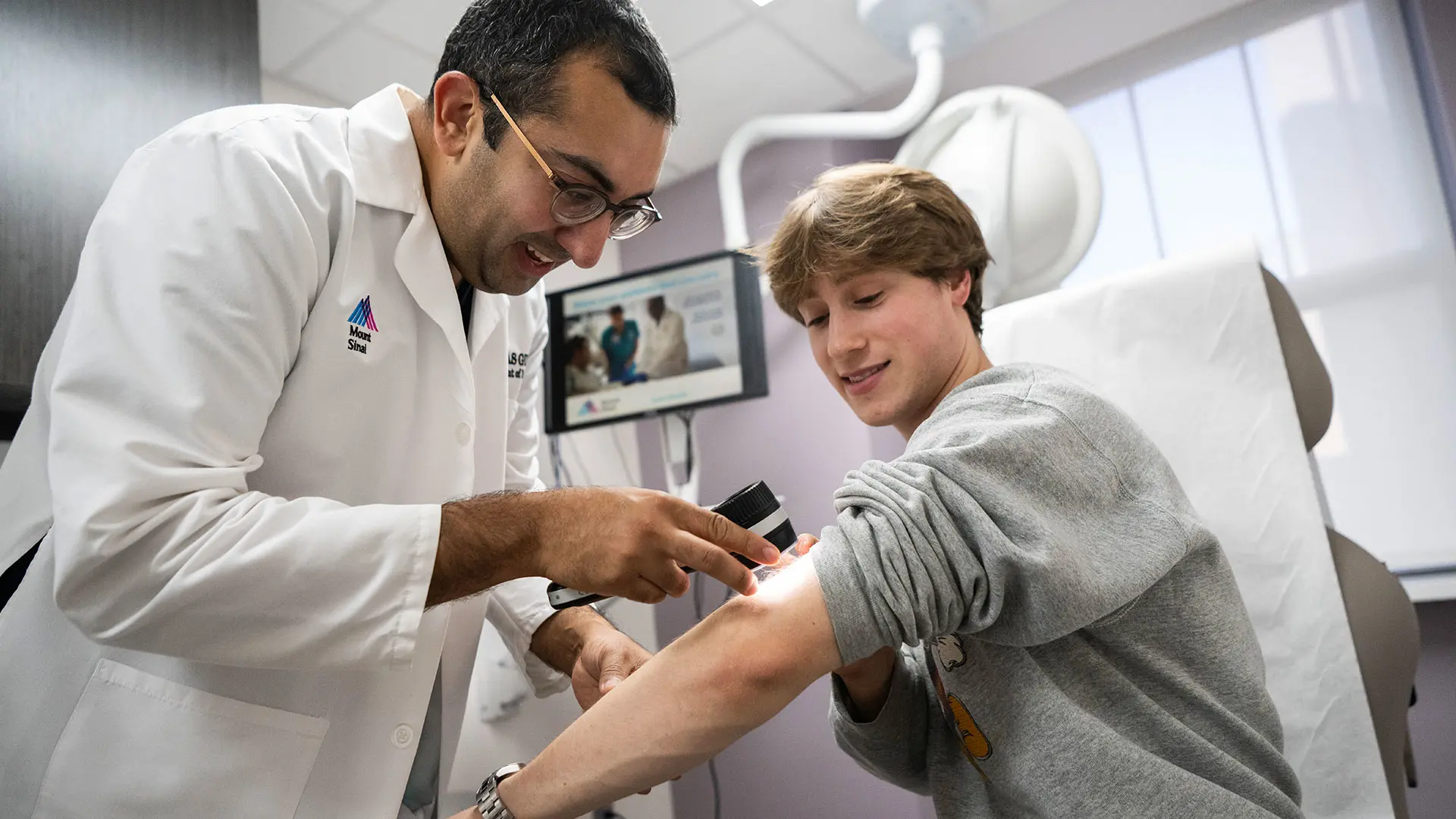
Nicholas Gulati, MD, PhD, conducts research in oncodermatology, the management of skin conditions that result from cancer treatments.
As the Center’s researchers contribute to the development and validation of new treatments, Nicholas David Gulati, MD, PhD, is making strides in enhancing the efficacy of available therapies. He is conducting a clinical trial in which patients with cancer who have skin metastases are being administered diphencyprone—a topical drug used to treat various skin conditions—in addition to immunotherapy agents called immune checkpoint inhibitors that are given by vein, to see whether combining the two results in better responses than achieved using one therapy.
“In three patients with metastatic disease, we saw a nice resolution of the skin tumors, which is exciting preliminary data,” says Dr. Gulati, Assistant Professor of Dermatology, Director of the Early Detection of Skin Cancer Clinic, and Director of the Oncodermatology Clinic. “Our goal is to enroll 10 patients based on the criteria of multiple skin metastases and treatment with an immune checkpoint inhibitor, so recruitment is ongoing.”
Meanwhile, Dr. Gulati is gaining new insights from patient biopsies, blood samples, and tape strips on immune checkpoint inhibitor-associated skin toxicities that often necessitate pausing or discontinuing cancer treatment. “The data we have gathered has led to a better understanding of which drugs we can use to treat patients with these side effects,” he says. “That means we will be able to keep patients on their life-saving therapies as long as possible without interruption and achieve higher cure rates.”
Achieving higher cure rates also requires earlier, more accurate detection of skin cancers and melanomas. Banu Farabi, MD, is bolstering these efforts by leading the Center’s adoption of reflectance confocal microscopy. This emerging, noninvasive technology is facilitating assessments of patients with multiple malignant-looking lesions, enabling Dr. Farabi and her colleagues to quickly identify or rule out cancerous lesions, which is beneficial for patients.
“Essentially, this technology enables us to give patients a diagnosis at bedside,” says Dr. Farabi, Director of Skin Cancer Screening and Imaging at the Center, and Assistant Professor of Dermatology.
“That means that we can either expedite treatment or alleviate the anxiety of waiting for pathology results. But it also reduces the number of biopsies we need to perform to make a diagnosis, meaning fewer incidences of biopsy-related complications such as infection and fewer patient visits for treatment of those complications.”
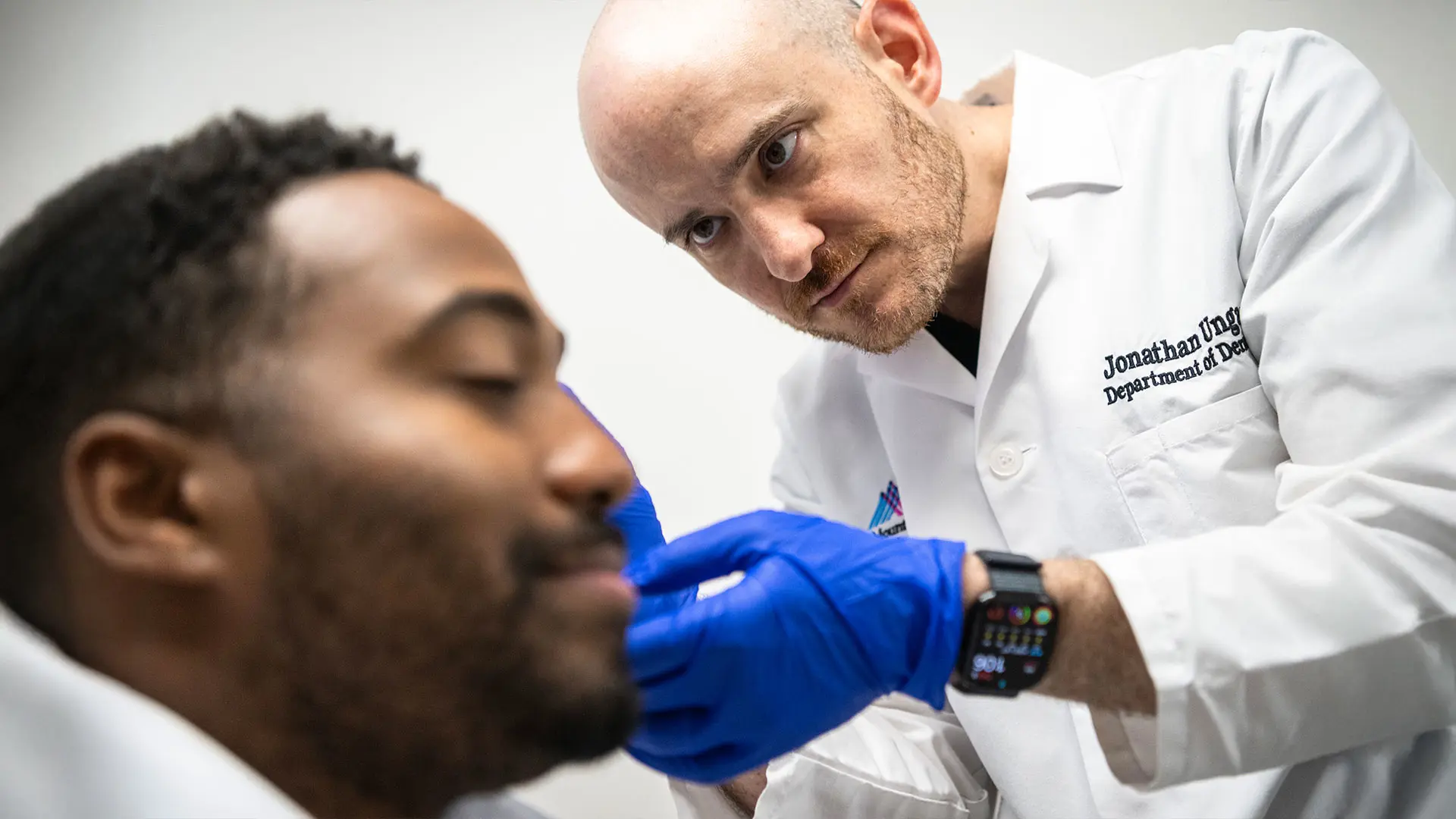
Jonathan Ungar, MD, uses noninvasive technologies to gain clinically useful information for the diagnosis of skin cancers.
Jonathan P. Ungar, MD, the Center’s Medical Director, adds that the technology’s compact, handheld probe has enabled imaging of challenging areas such as the nose and eyelids, both of which pose significant concerns among patients. “We are able to gain clinically useful information without a biopsy, which means we do not create a scar on the most sensitive areas of the face,” says Dr. Ungar, who is also an Assistant Professor of Dermatology. “That enables us to really get the most out of this technology in terms of its baseline benefits.”
As excited as Dr. Lewin is by the ways that the Center continues to innovate and optimize skin cancer diagnosis and treatment, he believes public awareness remains the most effective way to reduce morbidity and mortality from skin cancer. He is leading efforts to spread the word on safe sun practices, including free cancer screenings during Melanoma Awareness Month. At the same time, he is focused on increasing the Center’s expertly trained clinicians, advanced technology, and research so that, if numbers do continue to rise, he and his colleagues are ready to meet the challenge.
“We want to continue to be the leading center for the detection and treatment of skin cancer nationwide and to share our discoveries in this field with other centers,” he says. “That way we not only achieve life-changing outcomes for our patients, but also help make that possible for everyone with skin cancer.”